Join
Join
 Shorts

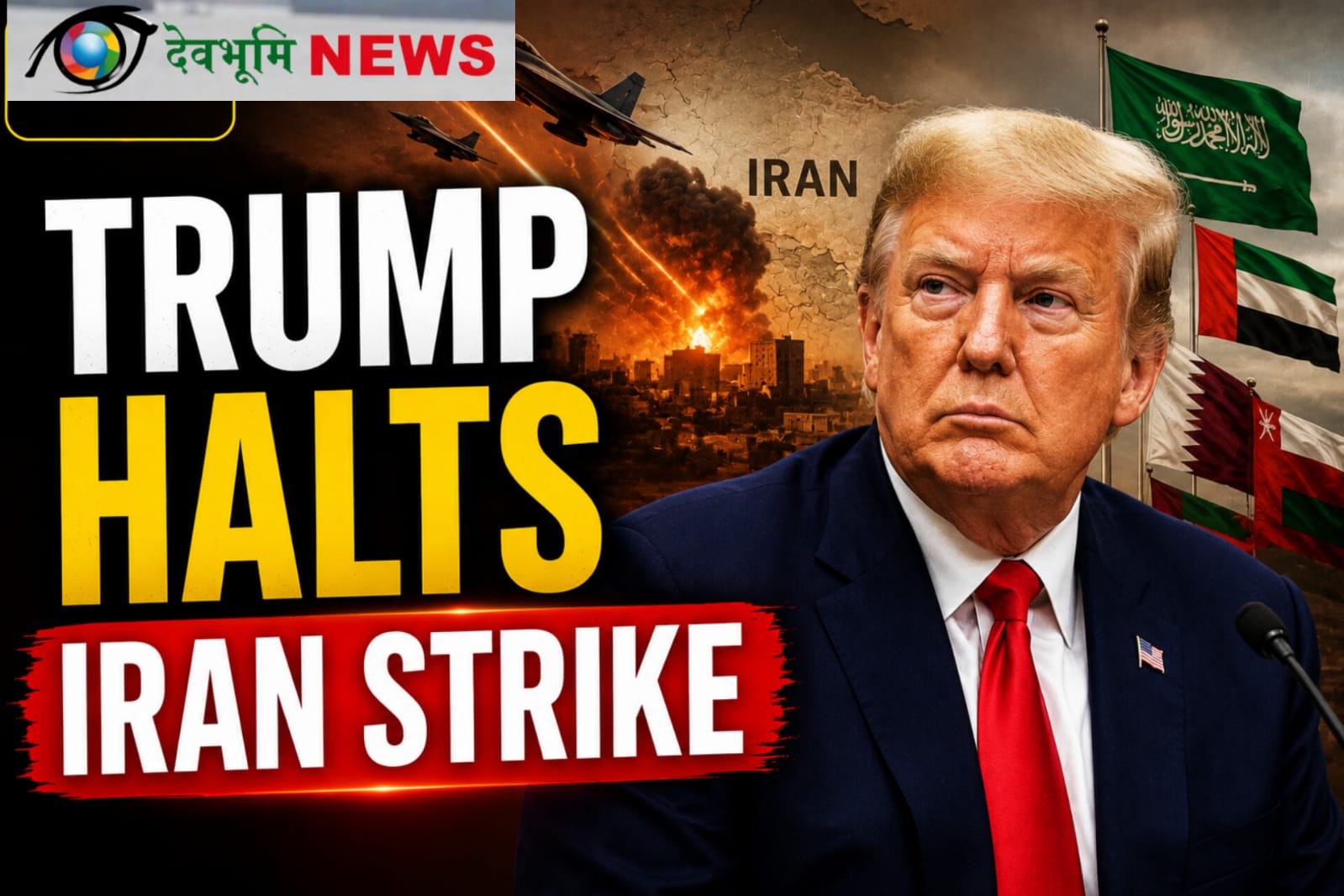
U.S. President Donald Trump reportedly delayed a planned military strike on Iran following urgent diplomatic requests from key Gulf nations, signaling a significant shift in the ongoing Middle East tension. This development, disclosed through Trump’s public comments and international media, has reignited discussions about U.S. foreign strategy, nuclear talks with Iran, and security in the Gulf region.
Trump Delays Iran Attack
This sudden pause comes amid heightened hostilities between the U.S. and Iran, following months of military posturing, economic sanctions, naval confrontations, and stalled nuclear talks.
Gulf countries, including Qatar, Saudi Arabia, and the UAE, reportedly urged Trump to delay the attack to allow ongoing diplomatic efforts to continue.
According to reports, Trump said Gulf leaders personally asked the U.S. to hold off on a military strike as important negotiations were taking place. He claimed these leaders believed a deal beneficial to both Washington and the Middle East could still be reached.
Trump also stated that although the strike had been postponed, U.S. military forces remained prepared for immediate action if diplomatic efforts failed.
He warned that American troops were ready for a “full-scale attack” if Iran refused to engage on nuclear weapons and regional security issues.
Iran Nuclear Deal Continues among deep Military threat
The delay reflects rising concerns among Gulf nations about the risk of a broader regional conflict that could disrupt oil exports, damage infrastructure, and weaken already struggling economies in the Middle East.
Nuclear talks between Iran and the U.S. continue despite ongoing military threats.
Diplomatic efforts have faced repeated challenges, particularly regarding uranium enrichment, missile programs, and military influence in the region. While Trump has repeatedly insisted that Iran cannot possess nuclear weapons, Iranian officials continue to reject U.S. demands.
Iran initiated weekly talks through intermediary
Reports suggest that Iran has offered revised terms through intermediaries, including diplomatic channels involving Pakistan and Gulf mediators.These negotiations follow weeks of military exchanges involving U.S. and Israeli actions targeting Iranian-linked assets.
Although a ceasefire had reduced some violence earlier this year, tensions remain volatile.
Gulf nations intervened diplomatically due to fears of economic disruption
The ongoing crisis around the Strait of Hormuz has already threatened global energy markets and shipping routes.
The Strait of Hormuz is one of the world’s most important oil transportation routes, handling a significant portion of global oil and liquefied natural gas exports.
Any military action between the U.S. and Iran could severely affect energy supplies, increase global fuel prices, and harm Gulf economies reliant on stable exports.
Regional Tension in the Area Grows
Regional governments are increasingly worried that another U.S. military strike could prompt Iranian retaliation against Gulf infrastructure, shipping lanes, and oil facilities.
Previous drone and missile incidents in the Gulf have already raised concerns among investors and governments.
Trump’s approach to the Iran crisis has drawn mixed reactions from international observers, political analysts, and U.S. allies. Critics argue that aggressive military threats risk further escalation, while supporters claim the pressure has forced Iran back to the negotiating table.
Trump has consistently used strong language against Tehran, warning that military force is an option if diplomacy fails. However, this latest change suggests that Gulf allies may still have a significant role in shaping U.S. policy toward Iran.
Analysts believe Gulf countries are trying to balance their alliance with the U.S. while avoiding a catastrophic regional war that could threaten economic stability and internal security.
Rising Tension between US and Iran
Rising tensions between the U.S. and Iran continue to create uncertainty in global financial and energy markets. Oil prices have shown sharp fluctuations as investors closely watch Gulf developments.
Shipping companies and international traders are also concerned about the safety of commercial routes through the Persian Gulf.
Reports indicate that military confrontations and naval operations in the region have already disrupted maritime trade.Global powers, including China, European nations, and regional stakeholders, are closely monitoring whether diplomatic talks can succeed before military action resumes.
Read more like this:
- ट्विशा शर्मा डेथ केस: पूर्व जज ने दहेज आरोपों पर पेश किए बैंक ट्रांजैक्शन, जांच में आया नया मोड़
- अमेरिका के जस्टिस डिपार्टमेंट ने अडानी ग्रुप पर लगे चार्जेस हटाए, मामला स्थायी रूप से बंद
- रक्षा क्षेत्र में अमेरिका का भारत को बड़ा सहयोग: Apache हेलीकॉप्टर और M777 Howitzer के आने से बढ़ेगी भारतीय सेना की ताकत
Can diplomacy prevent another U.S.-Iran war?
Despite the postponement of military action, the situation remains highly unstable.
Trump has made it clear that the U.S. military is still ready to act, and there is no guarantee negotiations will lead to success.Diplomatic experts warn that even a temporary delay in military operations does not necessarily mean lasting peace.
Instead, it may offer a short window for negotiators to secure important concessions before tensions rise again.At the same time, Gulf nations are determined to prevent another major conflict in the Middle East.
Countries like Saudi Arabia, Qatar, and the UAE understand that a long-term U.S.-Iran confrontation could endanger regional economies, foreign investment, tourism, and energy exports.
The coming weeks will be crucial in determining whether diplomacy can succeed where military pressure has failed.
Conclusion: Trump’s decision signals temporary relief, not permanent peace.
Trump’s decision to cancel a planned attack on Iran at the request of Gulf allies has temporarily eased fears of immediate military escalation in the Middle East.
However, the broader conflict between the U.S. and Iran remains unresolved, with nuclear negotiations, military threats, and regional instability continuing to dominate global headlines.
As negotiations proceed, Gulf nations are pushing hard to avoid another devastating war that could reshape the Middle East and disrupt the global economy.
Whether these talks succeed or fail may determine the future of U.S.-Iran relations and regional stability for years to come.