Join
 Shorts

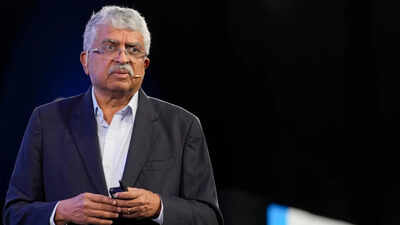
The National Eligibility cum Entrance Test (NEET-UG) is one of the most important and competitive entrance examinations in India. Every year, lakhs of students appear for this examination with the dream of securing admission to medical colleges. However, increasing competition, examination pressure and concerns over paper leaks have raised questions about the existing examination system.
In a significant development, several states have suggested major changes in the NEET-UG examination and medical admission process. These proposals include conducting NEET more than once a year and giving weightage to Class 12 board examination marks. The recommendations have been submitted to a high-powered task force headed by Infosys co-founder Nandan Nilekani.
1. States Propose Multiple NEET Attempts in a Year
One of the major suggestions made by several states is to allow students to appear for NEET-UG multiple times in a single year.
At present, students generally get one opportunity in an admission cycle. If a candidate performs poorly because of examination stress, health problems or other unexpected circumstances, their chances of securing a medical seat may be affected.
Allowing multiple attempts could provide students with additional opportunities to improve their scores. It may also reduce the pressure associated with a single examination and make the admission process more student-friendly.
This system could particularly benefit students who prepare sincerely but are unable to perform according to their potential on examination day.
2. Weightage to Class 12 Board Examination Marks
Another important proposal is to include Class 12 board examination marks in the medical admission process.
Currently, NEET-UG performance plays the central role in determining admission to undergraduate medical courses. Several states believe that giving some weightage to Class 12 scores could restore the importance of school education.
Under the proposed approach, students may receive consideration for their performance in board examinations along with their NEET scores. However, the exact percentage of weightage and the admission formula have not yet been decided.
This change could encourage students to focus on their regular school studies rather than depending entirely on entrance examination preparation.
3. Nandan Nilekani-Led Task Force Examining Reforms
The proposals are being examined by a six-member high-powered task force led by Nandan Nilekani, co-founder of Infosys.
The committee was constituted in July 2026 following concerns over examination irregularities, including the NEET-UG paper leak controversy.
The task force has reportedly received more than 50,000 suggestions from students, parents, teachers, educational institutions, experts and other stakeholders.
Its main objective is to recommend improvements in the security, transparency and overall functioning of national-level examinations.
The Centre has extended the committee’s tenure until January 2027 to allow further consultations before its final recommendations are submitted.
4. Technology-Based Measures to Prevent Paper Leaks
Apart from changes in the examination pattern, the task force is also examining technology-based solutions to prevent question paper leaks.
Some important proposals include:
Secure Question Vault: A secure digital system could be developed to protect examination questions and prevent unauthorised access.
Large Question Bank: A large pool of questions could be prepared and verified throughout the year to improve examination security.
Digital Delivery of Question Papers: Question papers could be delivered digitally to examination centres shortly before the examination begins. This may reduce the possibility of papers being leaked during transportation and distribution.
These measures aim to make national-level examinations more reliable and transparent.
5. How These Reforms Could Benefit Students
If implemented properly, these proposed reforms could bring several positive changes to the medical admission system.
First, multiple NEET attempts may reduce students’ fear of failure and provide additional opportunities to demonstrate their knowledge.
Second, weightage to Class 12 marks could encourage students to maintain a balance between school education and competitive examination preparation.
Third, technology-based security measures could strengthen students’ confidence in the examination system.
Most importantly, these reforms could help reduce excessive dependence on coaching institutes and encourage a more balanced approach to education.
However, authorities will also need to ensure fairness, transparency and equal opportunities for students from different educational boards and backgrounds.
6. What Happens Next?
The proposals are still under consideration, and no final decision has been announced regarding multiple NEET attempts or the weightage of Class 12 marks.
The task force is continuing its consultations with stakeholders, including state representatives. Its recommendations are expected to help the government decide the future direction of national-level examination reforms.
Students should therefore continue preparing according to the existing NEET-UG guidelines until official announcements are made by the competent authorities.
Read more like this:
- Ex-Nvidia CEO Jensen Huang Acknowledges ‘Mistakes’, Signals Interest in Return if Company Chooses
- NEET-UG 2026 पेपर लीक मामला: दिल्ली कोर्ट का बड़ा फैसला, NTA के तीन विषय विशेषज्ञों समेत 14 आरोपियों पर आरोप तय करने का आदेश
Conclusion
The suggestions for multiple NEET attempts and weightage to Class 12 board marks could mark an important step towards reforming India’s medical entrance examination system.
The objective should be to create an examination process that is fair, transparent, secure and less stressful for students. While NEET will continue to play a crucial role in medical admissions, recognising school-level academic performance could make the selection process more balanced.
Ultimately, the success of these reforms will depend on their proper implementation, equal opportunities for all candidates and the ability to maintain high academic standards in medical education.