Join
Join
 Shorts

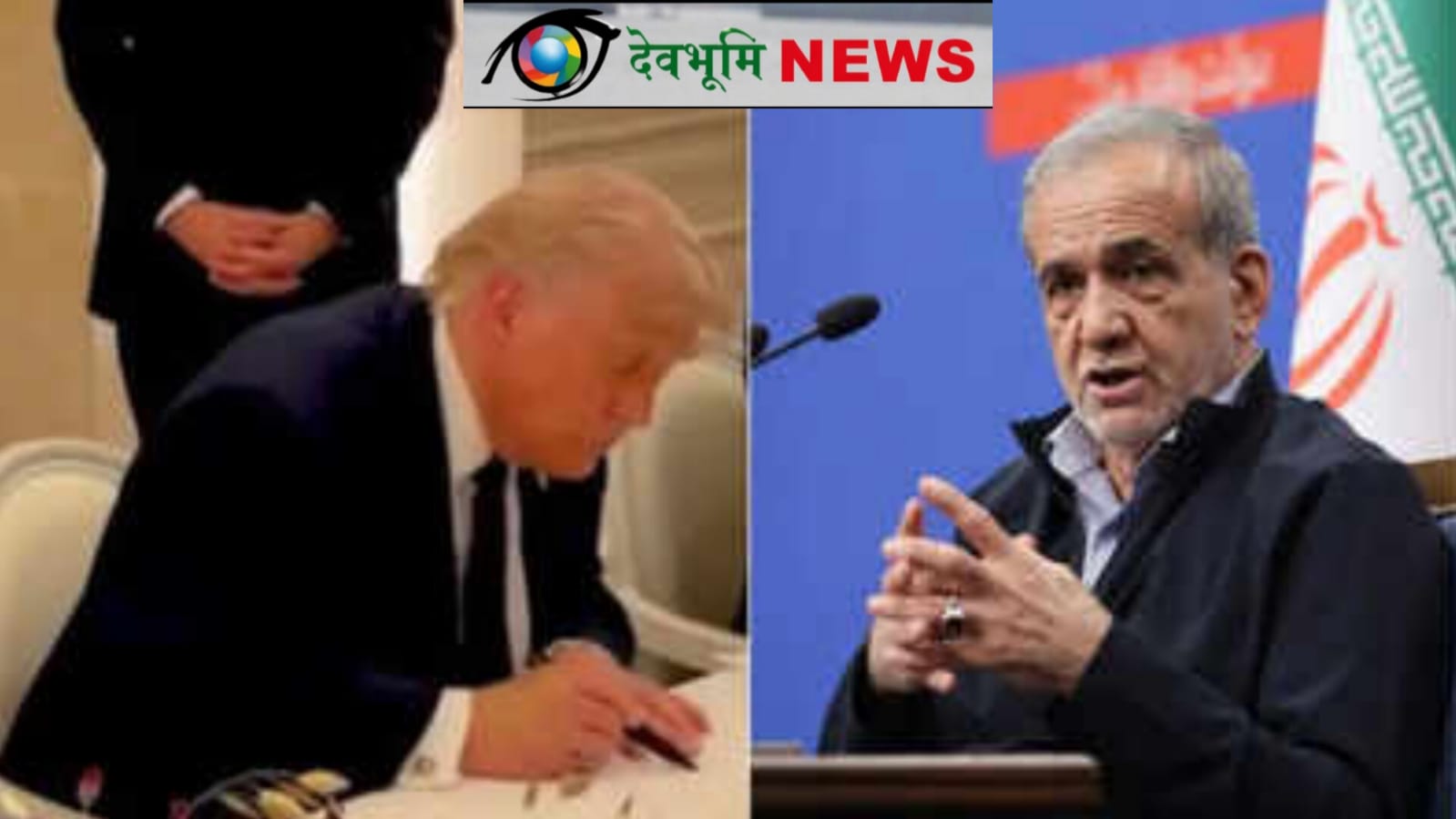
In a landmark diplomatic breakthrough, the US-Iran MoU has been officially finalized after both countries digitally signed a historic 14-point agreement aimed at reducing tensions and creating a roadmap for long-term cooperation. The agreement was signed by US President Donald Trump and Iranian President Masoud Pezeshkian, marking one of the most significant developments in US-Iran relations in recent years.
The digitally signed US-Iran agreement seeks to end years of hostility between Washington and Tehran while addressing critical geopolitical issues, including the reopening of the Strait of Hormuz, sanctions relief, and Iran’s nuclear program.
What the US-Iran Peace Deal Includes
The newly signed US-Iran Peace Deal consists of a comprehensive 14-point Memorandum of Understanding (MoU) designed to establish confidence-building measures and pave the way for a more permanent agreement.
Key provisions of the US-Iran MoU include:
Reopening the Strait of Hormuz for international commercial shipping.
Initiating discussions on phased sanctions relief.
Establishing a framework for addressing Iran’s nuclear program.
Launching a 60-day negotiation process for a broader and more binding agreement.
Creating mechanisms for monitoring compliance and implementation.
The agreement represents an interim framework rather than a final treaty, but analysts believe it could become the foundation for a long-term diplomatic settlement between the two nations.
Strait of Hormuz Reopening Brings Global Economic Relief
One of the most significant aspects of the US-Iran agreement is the reopening of the Strait of Hormuz, a crucial maritime route responsible for transporting a substantial portion of the world’s oil supply.
The closure and uncertainty surrounding the Strait of Hormuz had created concerns about global energy security and rising oil prices. Under the terms of the US-Iran Peace Deal, Iran has committed to ensuring safe passage for commercial vessels, helping stabilize international energy markets.
Financial markets responded positively to the announcement, with oil prices declining amid expectations of improved supply conditions and reduced geopolitical risk. Investors view the reopening of the Strait of Hormuz as a major step toward restoring stability in global energy trade.
US-Iran Relations Enter a New Diplomatic Phase
The official signing of the US-Iran MoU marks a rare moment of cooperation between two countries whose relationship has been strained for decades.
Diplomatic experts believe that the agreement could serve as a turning point in US-Iran relations, offering opportunities for dialogue on issues that have historically divided both nations.
The agreement also signals broader efforts by international mediators and regional stakeholders to encourage peaceful resolutions to ongoing disputes in the Middle East.
Iran Nuclear Program Remains a Central Focus
A critical component of the US-Iran Agreement is the commitment to address concerns surrounding the Iran nuclear program.
The MoU establishes a framework for future negotiations focused on nuclear transparency, international oversight, and compliance with global non-proliferation standards. Both parties have agreed to continue discussions aimed at ensuring that Iran’s nuclear activities remain peaceful while addressing security concerns raised by the United States and its allies.
The nuclear issue has long been one of the most contentious aspects of US-Iran relations, making its inclusion in the agreement a significant diplomatic achievement.
Sanctions Relief Could Boost Iran’s Economy
Another major element of the US-Iran Peace Deal is the potential easing of economic sanctions imposed on Iran.
The agreement outlines a pathway toward phased sanctions relief, contingent upon compliance with the terms of the MoU and progress in future negotiations. Economic restrictions have had a substantial impact on Iran’s economy, affecting trade, investment, and financial transactions.
If implemented successfully, sanctions relief could provide Iran with greater access to international markets, stimulate economic growth, and improve living conditions for millions of citizens.
Global Leaders Welcome the US-Iran Agreement
The signing of the US-Iran MoU has generated positive reactions from several international leaders and organizations.
Governments and diplomatic observers have welcomed the agreement as an important step toward reducing tensions in the Middle East. Many see the deal as an opportunity to prevent further conflict, strengthen regional security, and promote economic stability.
International support could play a crucial role in ensuring the successful implementation of the agreement and encouraging both sides to maintain constructive dialogue during upcoming negotiations.
Read more like this:
- PM Modi at G7 Summit 2026: Global South Should Not Bear Iran War Burden Alone, Says India
- Lionel Messi Sets Record as Oldest Player with World Cup Hat-Trick, Creates History at FIFA World Cup 2026
- NEET UG Re-Exam 2026: NTA की बड़ी चेतावनी, पेपर लीक की अफवाहों से रहें सावधान; अभिभावकों और छात्रों को दिया Scam Alert
Challenges Facing the US-Iran Peace Process
Despite widespread optimism, significant challenges remain for the US-Iran Peace Deal.
Both countries have a long history of mistrust, and previous agreements have faced implementation difficulties. Political opposition, regional tensions, and disagreements over key issues such as sanctions, military activities, and nuclear oversight could complicate future negotiations.
The next 60 days of negotiations will be critical in determining whether the MoU evolves into a comprehensive and lasting agreement.
Conclusion: US-Iran MoU Could Reshape Middle East Stability
The official finalization of the US-Iran MoU represents a historic moment in international diplomacy. By addressing critical issues such as the Strait of Hormuz, sanctions relief, and the Iran nuclear program, the agreement creates a framework for reducing tensions and fostering long-term cooperation.
While challenges remain, the US-Iran Agreement offers a rare opportunity to improve bilateral relations and enhance stability across the Middle East.
As negotiations continue, the world will closely watch whether this breakthrough can evolve into a lasting peace settlement capable of transforming one of the most complex geopolitical relationships of the modern era.