Join
Join
 Shorts

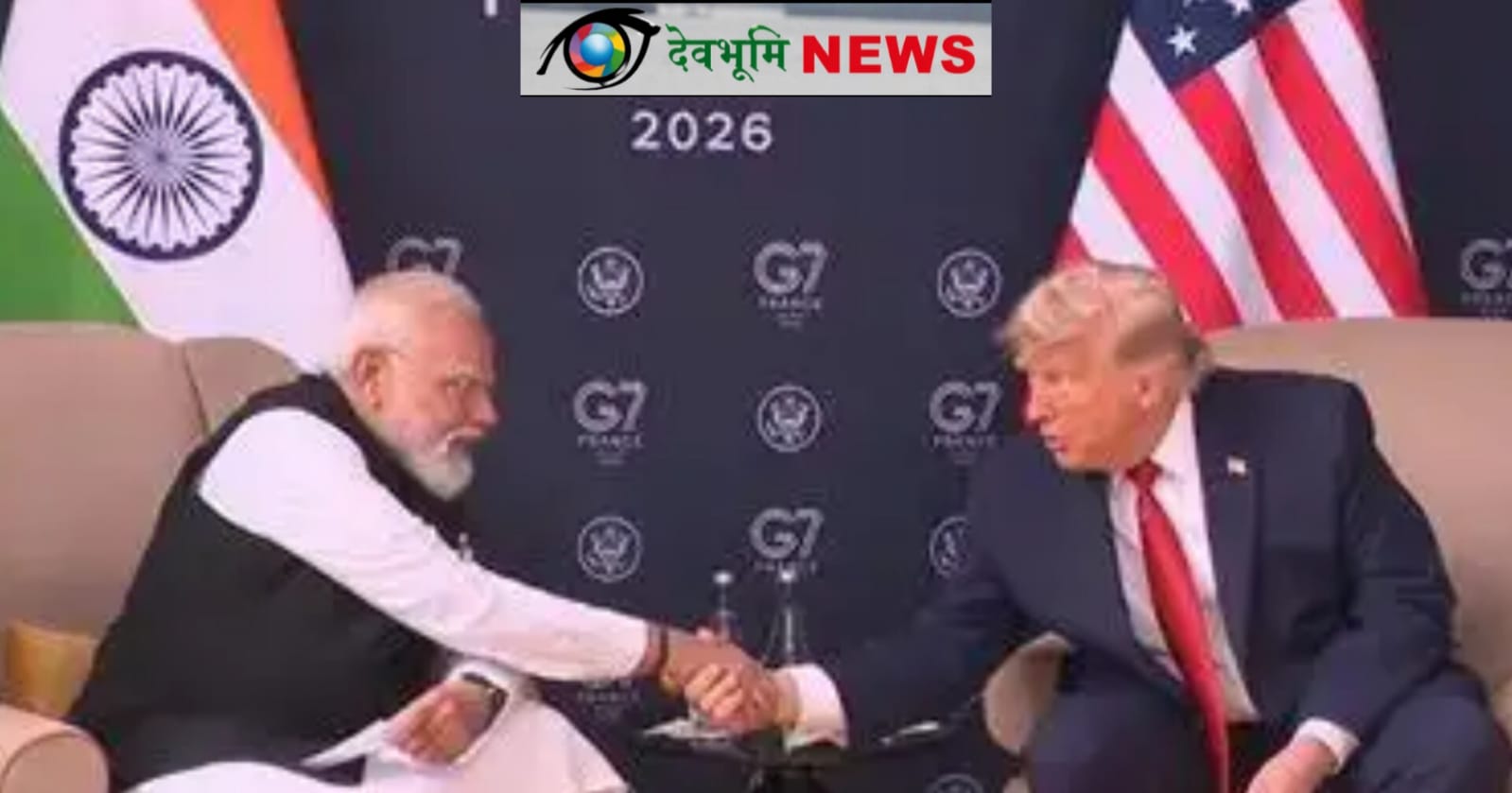
PM Modi strongly voiced the concerns of developing nations at the G7 Summit 2026, emphasizing that countries in the Global South should not be left to face the economic and humanitarian impacts of the ongoing Iran conflict on their own.
During the summit, Modi addressed world leaders and pointed out how the Iran war is disproportionately affecting fuel supplies, fertilizer availability, food security, and global trade routes, which in turn are severely impacting emerging and developing economies.
Prime Minister Modi Bold Statement was Applauded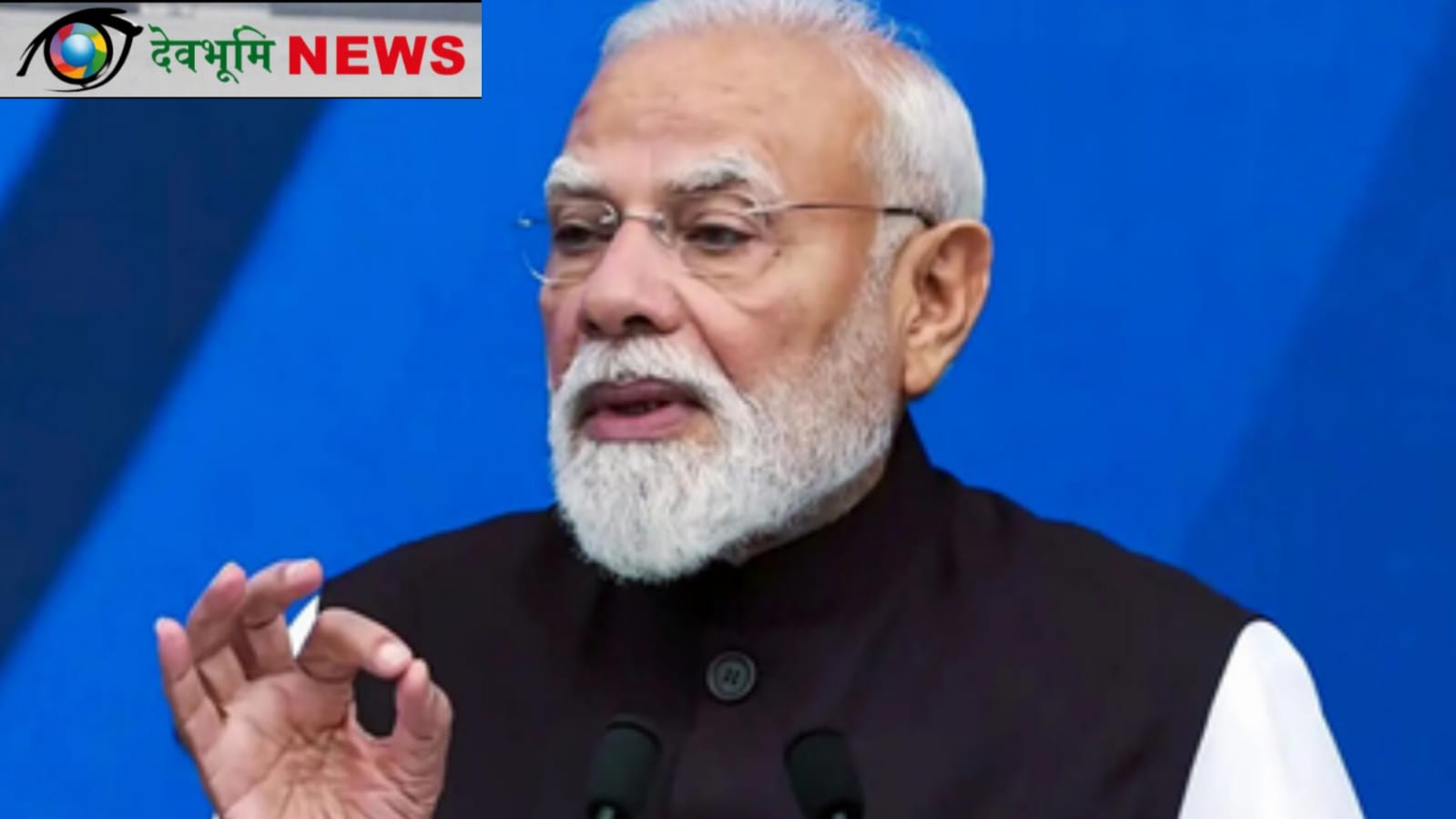
The Prime Minister’s comments came at a time when the conflict in West Asia is continuing to disrupt global supply chains and create economic uncertainty in various regions.
Modi reiterated India’s commitment to representing the interests and aspirations of the Global South on major international platforms.
Iran War Impact on Global South Nations Becomes Major G7 Discussion Point
The Iran war has become one of the most critical issues at the G7 Summit 2026.
PM Modi warned that the effects of the conflict are being felt far beyond the Middle East, especially in developing countries that depend heavily on imported fuel, fertilizers, and essential goods.
According to the Indian Prime Minister, disruptions in energy markets and supply chains are placing a heavy burden on vulnerable economies.Increasing transportation costs, inflation, and shortages of critical agricultural inputs are threatening food security in Asia, Africa, and Latin America.
Modi stressed that while major economies may have the resources to deal with economic shocks, many developing nations are struggling with the cascading effects of geopolitical instability.
PM Modi Calls for Collective Responsibility on Iran Crisis
During his address at the G7 outreach session, PM Modi emphasized the need for collective international responsibility in addressing the fallout from the Iran conflict.
He argued that global crises require global solutions and that the burden should not be placed on countries with limited economic capacity.
The Prime Minister highlighted the importance of maintaining stable energy markets, securing food supply chains, and ensuring uninterrupted access to fertilizers for agricultural economies.
India’s position reflects its broader diplomatic effort to support the concerns of the Global South and advocate for a more balanced international order.
Energy Security and Supply Chain Disruptions Dominate G7 Summit Agenda
Energy security has become a central topic at the G7 Summit as the Iran conflict continues to influence global oil markets.
Reports suggest that geopolitical tensions in West Asia have led to increased volatility in energy prices, creating more challenges for countries that import energy.
PM Modi warned that prolonged instability could have serious implications for global economic growth and development.
The Prime Minister urged world leaders to prioritize actions that stabilize energy supplies and protect vulnerable economies from excessive economic shocks.
His remarks echoed concerns raised by several international organizations about inflation and supply chain disruptions linked to the conflict.
India Emerges as Voice of Global South at G7 Summit 2026
India’s participation in the G7 Summit once again showed its growing role as a leading voice for the Global South.
Before the summit, PM Modi had stated that India would not only represent its national interests but also advocate for the aspirations of developing nations facing common challenges.
At the summit, Modi highlighted the need for fair decision-making in global governance, especially during international crises.
India’s active involvement reflects its increasing influence in international diplomacy and its commitment to promoting greater cooperation between developed and developing economies.
Maritime Security and Seafarer Safety Also Highlighted by PM Modi
In addition to discussing the economic consequences of the Iran conflict, PM Modi raised concerns about maritime security and the safety of seafarers operating in conflict-affected areas.
The Prime Minister stressed that international shipping routes must remain secure to ensure smooth global trade and protect those working at sea.
Modi called on the international community to prioritize the safety and well-being of seafarers while working towards long-term peace and stability in the region.
The issue has gained greater importance as disruptions in maritime trade routes could worsen existing supply chain challenges in global markets.
Read more like this:
- Lionel Messi Sets Record as Oldest Player with World Cup Hat-Trick, Creates History at FIFA World Cup 2026
- मजबूत आय और कम होते आर्थिक दबाव से शेयर बाजार का आउटलुक मजबूत, बोले देवांग मेहता
- Iran Fires Drones at Commercial Ships in Strait of Hormuz After US-Iran Deal, Israeli Media Reports
Global Leaders Discuss Iran Peace Process and Economic Stability
The G7 Summit 2026 brought together leaders from major economies and invited nations to discuss a range of global challenges, including the Iran peace process, economic stability, energy security, and geopolitical tensions.
Discussions focused on restoring stability in West Asia, ensuring the reopening and safety of critical maritime routes, and reducing the broader economic consequences of the conflict.
PM Modi’s input added an important perspective to these discussions by highlighting the unique challenges faced by developing nations and stressing the need for inclusive solutions.
Conclusion: PM Modi Urges Fair Global Response to Iran War Crisis
Prime Minister Narendra Modi’s message at the G7 Summit 2026 was clear: the Global South should not be left to bear the consequences of the Iran war alone.
By pointing out the impact on fuel supplies, food security, fertilizer availability, and economic stability, Modi called for a more equitable and coordinated international response.
As geopolitical tensions continue to reshape global markets, India’s leadership at the G7 Summit highlights its growing role as a representative of developing nations.
The Prime Minister’s appeal for collective responsibility reflects a broader demand for fairness, cooperation, and inclusivity in addressing global crises that affect billions of people worldwide.