Join
Join
 Shorts

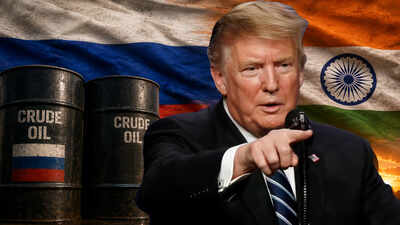
A new development in the United States Senate has raised fresh concerns over the future of India-US trade ties. The US Senate has approved legislation aimed at tightening sanctions against Russia and putting economic pressure on countries that continue to purchase Russian oil, gas and other strategic exports.
The bill, known as the Lindsey O. Graham Sanctioning Russia and Iran Act of 2026, was approved by an overwhelming 86-11 vote. One of its most significant provisions would give US President Donald Trump the authority to impose tariffs of up to 100% on imports from countries that remain among the largest buyers of Russian oil and gas. India and China are therefore among the countries facing potential exposure to the measure.
Here are 10 key things to know about the latest development.
1. What has the US Senate approved?
The Senate has passed a sweeping Russia sanctions package designed to increase economic pressure on Moscow and countries that continue significant trade with Russia.
The legislation has been renamed the Lindsey O. Graham Sanctioning Russia and Iran Act of 2026, reflecting the central role played by Senator Lindsey Graham in pushing the sanctions initiative.
2. Why is India concerned?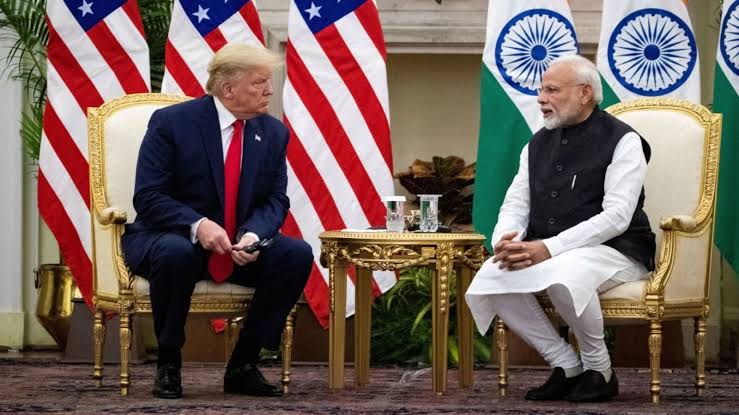
India is one of the world’s major buyers of Russian crude oil. Since the Russia-Ukraine war began, Indian refiners have significantly increased purchases of discounted Russian crude, helping India manage its energy costs and maintain supplies.
The US legislation is specifically aimed at countries that continue to buy Russian energy at significant levels. As a result, India could potentially fall within the scope of the proposed secondary tariff mechanism.
3. Does this mean a 100% tariff starts immediately?No
.This is perhaps the most important point for Indian businesses and consumers.
The Senate has passed legislation that could provide the president with authority to impose tariffs of up to 100%. It does not itself automatically impose a 100% tariff on Indian goods.
The bill must move through the remaining legislative stages before it can become law. Even after enactment, the president would have discretion over whether to use the tariff authority and how to apply it.
4. What is the purpose of the proposed tariff?
The proposed tariff is essentially a secondary economic sanction.
Instead of targeting Russia alone, Washington wants to create financial pressure on countries that continue to purchase Russian energy and other strategic commodities.
The logic behind the measure is that Russia’s energy exports provide an important source of revenue for the Russian economy. By making Russian energy purchases more expensive for major buyers, US lawmakers hope to reduce Moscow’s revenues and increase pressure on the Kremlin over the war in Ukraine
5. India is not the only country in the crosshairs
India is not the only major economy that could be affected.
China is another major buyer of Russian energy and would potentially face similar exposure. The legislation focuses on the largest buyers of Russian oil and gas rather than singling out India alone.This is important because any implementation could have wider consequences for global trade, energy markets and supply chains.
6. The bill has been revised from earlier proposals
The latest version represents a significant change from earlier proposals.
Previous versions of the sanctions initiative had contemplated tariffs as high as 500% on countries buying Russian oil, natural gas, uranium and other strategic exports.
The revised legislation caps the potential tariff at 100% and narrows its focus to the top five buyers of Russian oil and gas. It also provides the president with the ability to waive sanctions under certain circumstances if he determines that doing so is in the US national interest.
7. Why Russian oil matters so much to India
Russian crude became increasingly important for Indian refiners after the Ukraine war disrupted traditional energy trade patterns.
Discounted Russian crude offered Indian refiners an opportunity to secure large volumes at competitive prices. The arrangement also helped India diversify its sources of energy.
For India, energy security remains a major economic priority because the country imports a substantial share of the crude oil it consumes.
8. What could happen to Indian exporters?
If a 100% tariff were actually imposed on Indian goods, the consequences could be substantial.
A tariff effectively raises the cost of imported goods in the US market. Depending on how the measure is structured, Indian exporters could become significantly less competitive compared with suppliers from countries that are not subject to similar penalties.
Possible consequences include:
– Higher prices for Indian products in the US
– Reduced demand for Indian exports
– Pressure on exporters’ profit margins
– Diversion of shipments to other markets
– Disruption to established supply chains
– Increased uncertainty for businesses planning investments
9. India-US relations could face another test
The latest development comes at a sensitive time for India-US economic relations.
Both countries have been working to expand bilateral trade and investment, while simultaneously dealing with disagreements over tariffs, market access and India’s relationship with Russia.
India has repeatedly argued that its energy purchasing decisions are driven by national economic and energy-security interests. New Delhi has also maintained strategic relations with both Washington and Moscow.The Senate bill could therefore become a significant diplomatic issue in the India-US relationship.
Read more like this.:
- PM Gati Shakti Yojana 2026: भारत के इंफ्रास्ट्रक्चर को मिल रही नई रफ्तार
- झारखंड छात्र आंदोलन: नौकरी के दावेदारों से सरकार की बातचीत, मांगों पर नहीं बनी सहमति; आंदोलन जारी रखने का ऐलान
- NEET-UG 2026 पेपर लीक मामले में बड़ा खुलासा: NTA के तीन विशेषज्ञों पर ‘सीक्रेसी पैक्ट’ तोड़ने का आरोप, उम्रकैद और 1 करोड़ रुपये तक जुर्माने का प्रावधान
10. What happens next?
The next stage of the process will be closely watched in both Washington and New Delhi.
The Senate’s approval is an important step, but it does not by itself activate a 100% tariff on Indian goods. The legislation must proceed through the remaining US legislative process and ultimately reach the president.
Even if enacted, the president would have significant discretion over implementation.
For India, the immediate priority is likely to be diplomatic engagement and assessment of the potential economic impact. Indian policymakers will have to balance energy security, relations with Russia and access to the US market.
Businesses, meanwhile, will be watching for clarity on which countries, products and transactions could ultimately be covered.
Conclusion
The US Senate’s approval of the Russia sanctions bill has opened a new chapter in the economic pressure campaign against Moscow—and placed India under renewed scrutiny because of its continued purchases of Russian energy.
The legislation allows for tariffs of up to 100% against major buyers of Russian oil and gas, but several steps remain before such a measure could actually affect Indian imports into the United States.
For India, the issue goes beyond tariffs. It involves energy security, strategic autonomy, relations with Russia and the future of one of its most important economic partnerships with the United States.
The coming weeks will therefore be crucial. If Washington moves toward implementing the proposed sanctions, India could face difficult choices between maintaining access to Russian energy and protecting its exporters’ access to the American market.
For now, the 100% tariff remains a potential weapon rather than an immediate reality—but the Senate vote has made the threat considerably more serious.