Join
Join
 Shorts

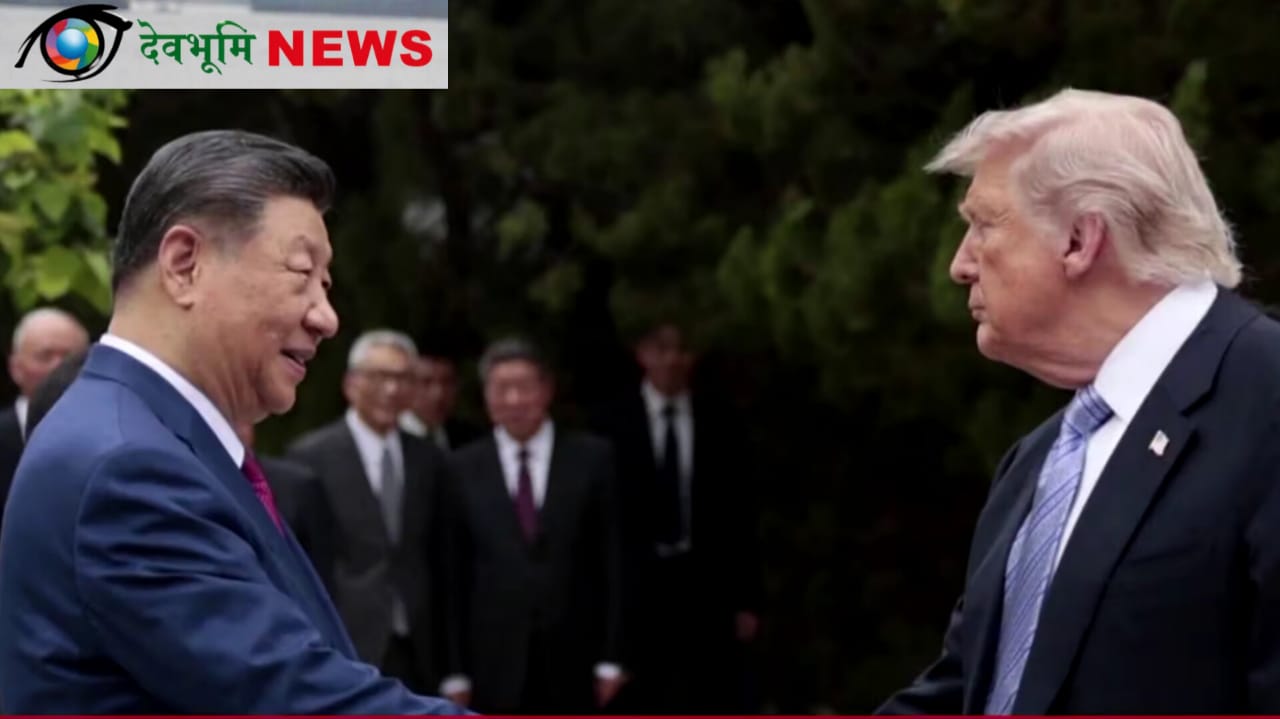
President Donald Trump returned to Washington following a high-profile meeting with Chinese President Xi Jinping in Beijing, but the visit yielded limited diplomatic and economic success.
The Trump Beijing Summit was expected to bring forward significant progress on issues like trade, technology restrictions, Taiwan tensions, and the Iran crisis. However, analysts concluded that the meeting was more about symbolism than major achievements.
Trump’s China Visit attracted Global Attention
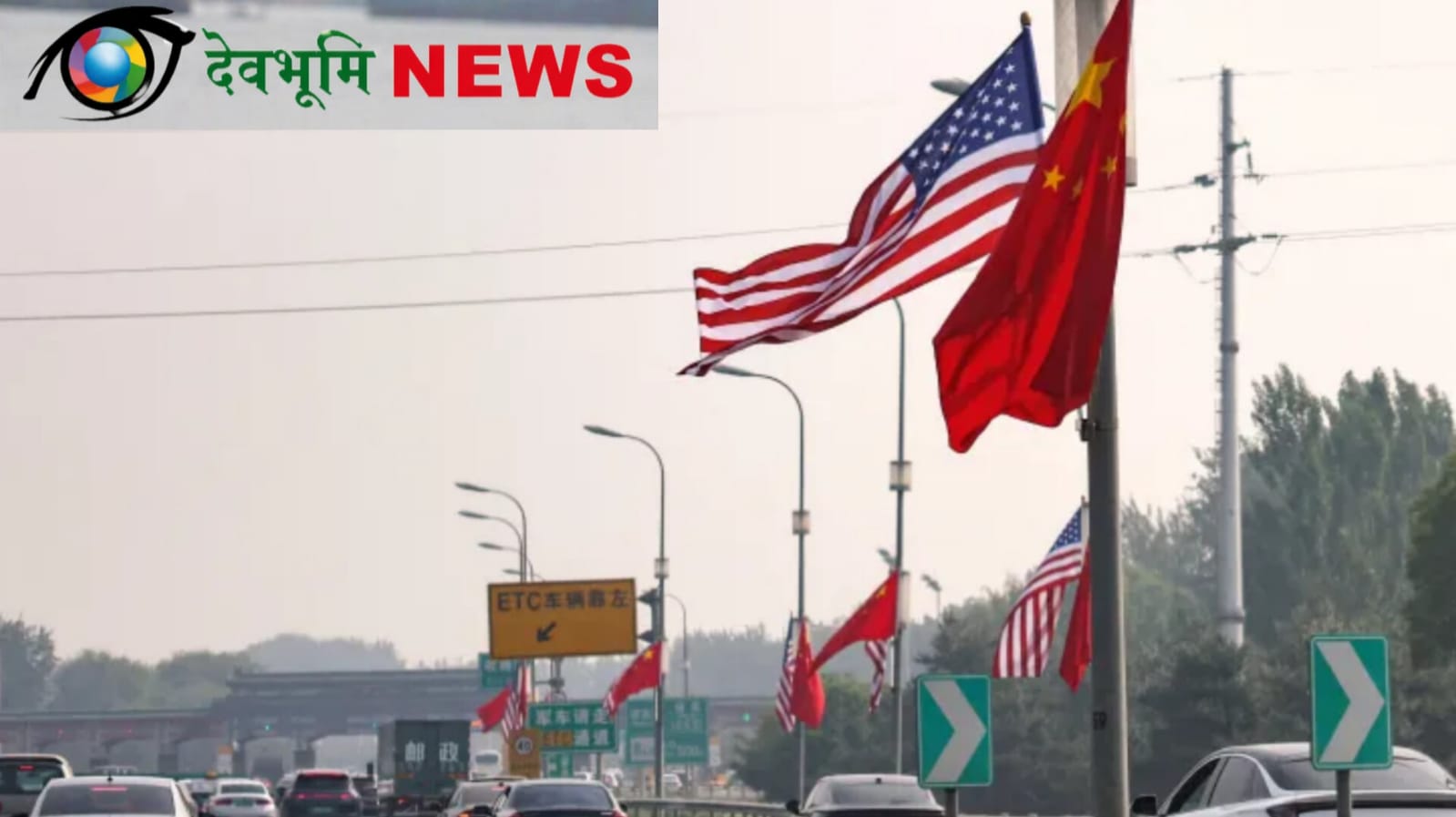
The Trump China Visit 2026 attracted global attention as it represented one of the most significant diplomatic encounters between the world’s two largest economies.
While both leaders exchanged warm public words and participated in elaborate events in Beijing, major disagreements over trade, artificial intelligence, rare earth exports, and Taiwan remained unresolved.
Political observers pointed out that the summit emphasized the growing strategic differences between Washington and Beijing rather than offering a path to long-term cooperation.
Despite Trump’s optimistic claims about “fantastic trade deals,” financial markets and international analysts approached the outcomes with caution due to the lack of detailed agreements.
Aim of Trump -Xi Summit
One of the main objectives of the Trump China Visit 2026 was to secure economic advantages that could bolster the administration before upcoming political challenges in Washington.
Trump frequently emphasized trade opportunities during the summit, claiming that new agreements involving Boeing, agricultural exports, and energy cooperation would benefit the United States.
However, the Beijing Trade Talks did not result in a comprehensive trade framework that could address long-standing tensions between the two nations.
China reportedly agreed to consider purchasing American goods, but officials from both sides provided few specifics about implementation timelines or financial commitments.
Major Announcements regarding Investments
Investors had anticipated major announcements regarding tariffs, semiconductor restrictions, and supply chain cooperation, but the summit ended with vague promises of future discussions.
The absence of detailed agreements created uncertainty in global markets, especially for technology and manufacturing companies that rely heavily on stable US-China relations.
Trade experts argued that the summit highlighted the deep structural differences between Washington and Beijing.
While Trump sought immediate economic announcements, Xi Jinping appeared more focused on long-term strategic stability and China’s economic independence.
Major Concern During Summit was Taiwan issue
The Xi Jinping Summit also brought attention to rising geopolitical tensions in Taiwan.
Diplomatic sources reported that Xi issued a strong warning against any American actions that Beijing might interpret as supporting Taiwanese independence.
The Taiwan Issue remains one of the most sensitive topics in US-China relations.
During the summit, Trump reportedly avoided direct confrontation on Taiwan and did not make major public commitments regarding military support or arms sales.
This cautious approach surprised some political analysts who had anticipated a firmer U.S. stance.
Critics argued that Trump’s restrained comments reflected China’s growing influence in the diplomatic relationship. Supporters of the administration, however, claimed the president was attempting to prevent further escalation in the region.
Critics and Security experts raised rigorous comment on Trump
Security experts warned that unresolved tensions over Taiwan could continue to destabilize the Asia-Pacific region in the years to come.
The summit did little to reduce these concerns, as neither side announced new confidence-building measures or military agreements.
US China Relations A deep Outlook
US-China relations are facing increasing economic and strategic pressure.
In previous years, trade disputes dominated discussions between Washington and Beijing. Today, the relationship also involves competition in areas such as artificial intelligence, semiconductor manufacturing, military technology, cybersecurity, and global supply chains.
Trump’s return to Washington highlighted the challenges the United States faces as China continues to expand its economic and geopolitical influence.
Beijing has been strengthening partnerships across Asia, Africa, and the Middle East while heavily investing in advanced technologies.
China emphasized on Regional Strategic Stability
During the summit, Chinese officials emphasized the importance of “constructive strategic stability,” indicating China’s preference for a less confrontational relationship.
However, American policymakers remain concerned about China’s military expansion, technology ambitions, and regional influence.
The lack of breakthroughs during the Trump Beijing Summit suggests that future negotiations between the two countries may remain difficult.
Analysts believe both nations are preparing for long-term strategic competition rather than immediate reconciliation.
Trump’s return to Washington comes at a politically sensitive time for the administration.
The White House had hoped the Beijing summit would deliver major economic victories to improve public confidence and strengthen Trump’s leadership image.
Instead, critics argue that the summit produced more ceremonial moments than real policy accomplishments.
Political opponents questioned whether the administration had gained meaningful concessions from China despite extensive diplomatic involvement.
At the same time, Trump defended the summit as a success, hailing the positive personal relationship with Xi Jinping and the possibility of future economic cooperation.
The president insisted that the talks helped stabilize US-China relations and opened the door for further agreements.
Read more like this:
- CM DHAMI से मिली OBC कल्याण संसदीय समिति, सामाजिक न्याय और विकास पर हुई चर्चा
- CBI Arrests Alleged Mastermind Behind NEET UG 2026 Chemistry Paper leak
- PM Modi Dismisses Foreign Travel Tax Reports as ‘Totally False’: Government Clarifies No New Overseas Travel Levy
Domestic political reactions in Washington remained divided
Supporters praised Trump for maintaining direct communication with Beijing during a period of heightened global uncertainty. Critics countered that the summit exposed America’s limited leverage on key international issues.
The administration also faced scrutiny over its handling of technology restrictions and supply chain vulnerabilities.
American manufacturers continue to rely heavily on Chinese rare earth minerals and industrial production, raising ongoing economic concerns.
The Beijing Trade Talks demonstrated China’s increasingly confident role in global diplomacy.
Xi Jinping hosted the summit with extensive ceremony, showcasing China’s economic power and international influence.
Observers noted that Beijing appeared under less pressure to secure immediate results compared to Washington.
China’s economy has adapted to years of trade tensions, while American businesses remain concerned about inflation, supply chain disruptions, and export restrictions.
China also maintained firm positions on several major issues during the summit.
Beijing did not offer major concessions on semiconductor restrictions, rare earth exports, or industrial policy reforms. Instead, Chinese leaders emphasized national sovereignty and economic self-reliance.
This negotiating stance reinforced perceptions that China views itself as an equal strategic rival to the United States rather than a junior economic partner.
The summit’s outcome reflected the shifting balance of power in international politics.
Future of US China relations
The future of US-China relations remains unclear following the Trump Beijing Summit.
Although both leaders avoided open confrontation and pledged continued communication, the summit failed to resolve the core disagreements driving tensions between the two countries.
Key issues such as Taiwan, technology competition, trade imbalances, cybersecurity, and military expansion remain unresolved.
Experts believe future negotiations will likely focus more on crisis management than on comprehensive cooperation.
Despite the lack of major breakthroughs, the summit still carried diplomatic importance.
Direct engagement between Washington and Beijing helps reduce the risk of misunderstandings between two global superpowers with competing interests.
Trump’s return to Washington marks the end of a closely watched diplomatic visit that generated worldwide headlines but delivered limited concrete achievements.
The meeting may have improved short-term communication between both governments, yet it also highlighted how difficult meaningful progress has become in modern US-China relations.
As global markets, political leaders, and security experts continue to analyze the summit’s outcome, one conclusion appears increasingly clear: the strategic rivalry between the United States and China is far from over.