Join
Join
 Shorts


Mamata Banerjee rigging charge has taken center stage during the second phase of the West Bengal Assembly elections 2026, intensifying an already heated political contest. As voting unfolded across 142 constituencies, the Trinamool Congress (TMC) chief alleged that the Bharatiya Janata Party (BJP) was attempting to “forcefully rig” the polls.
This Bengal phase 2 poll controversy has transformed the electoral landscape into a battleground of accusations and counterclaims. Banerjee’s remarks came amid reports of disturbances, alleged voter intimidation, and heightened deployment of central forces, all of which contributed to a tense voting environment.
Suvendu Adhikari Response to Mamata Banerjee Rigging Allegations
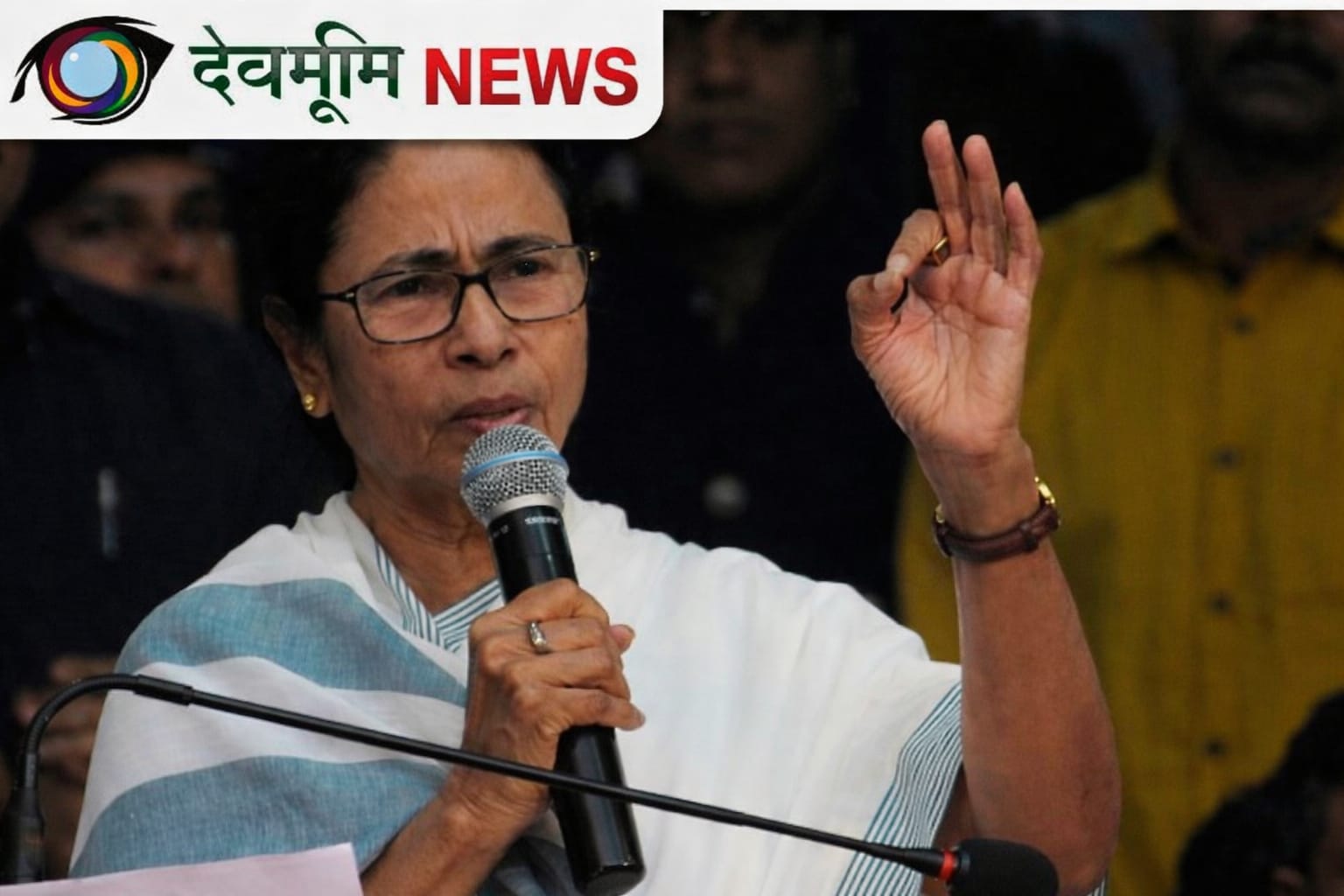
Responding sharply, BJP leader Suvendu Adhikari dismissed the Mamata Banerjee rigging charge, accusing her of attempting to “create fear” among voters. His counterattack reflects the escalating political rhetoric that has defined the Bengal elections.
Adhikari further alleged that the ruling TMC was engaging in tactics to intimidate voters, turning the narrative back on Banerjee. This Suvendu Adhikari response underscores the deep mistrust between the two camps and highlights the fiercely competitive nature of the election.
Bengal Phase 2 Poll Violence and Tensions Rise
The Bengal phase 2 poll violence has added another layer of complexity to the electoral process. Reports of clashes, vandalism, and disruptions surfaced from multiple constituencies, raising concerns about the fairness and smooth conduct of voting.
Additionally, incidents such as alleged attacks on party workers and technical glitches in voting machines have fueled political accusations. These developments have reinforced the narrative of a high-stakes and volatile election environment where both sides are trading blame.
Mamata Banerjee Allegations Against Central Forces and Election Commission
Beyond accusing the BJP, the Mamata Banerjee rigging charge extended to central agencies. The Chief Minister claimed that the Election Commission of India (ECI) and Central Reserve Police Force (CRPF) were acting in a biased manner and harassing TMC workers.
Banerjee even described the actions of observers and forces as attempts to “bulldoze democracy,” intensifying the gravity of her allegations. Such statements have amplified the Bengal election controversy, drawing national attention to the conduct of polling authorities.
High-Stakes Mamata Banerjee vs Suvendu Adhikari Battle in Bhabanipur
At the heart of the Bengal phase 2 polls lies the high-profile contest between Mamata Banerjee and Suvendu Adhikari in Bhabanipur. This symbolic battle represents more than just a constituency fight; it reflects a broader political rivalry that has shaped West Bengal politics in recent years.
The Mamata vs Suvendu showdown carries significant implications for both parties. A victory for Banerjee would reinforce her leadership, while a win for Adhikari could signal a major shift in the state’s political dynamics.
Key Constituencies and Electoral Significance of Bengal Phase 2 Polls
The Bengal phase 2 poll significance is underscored by the sheer scale of voting, with over 1,400 candidates contesting across key districts.
This phase includes several urban and semi-urban constituencies, making it crucial for determining the overall electoral outcome. The presence of prominent leaders and multi-cornered contests further elevates the importance of this phase in shaping the future government of West Bengal.
Political Narratives: Fear vs Rigging Debate in Bengal Elections
The ongoing fear vs rigging debate in Bengal elections reflects contrasting political narratives. While Mamata Banerjee emphasizes alleged electoral manipulation, Suvendu Adhikari focuses on claims of voter intimidation by the ruling party.
This clash of narratives has become a defining feature of the election, influencing voter perception and campaign strategies. The Bengal election political narrative is now centered around trust, transparency, and the integrity of democratic institutions.
Read more like this:
- UAE Exit from OPEC: A Geopolitical Earthquake in Global Oil Markets
- HARIDWAR MURDER CASE का खुलासा, बेटी का कथित एकतरफा प्रेमी निकला हत्यारा
- PM MODI का काशी दौरा: बाबा विश्वनाथ के दरबार में की पूजा, VARANASI को दी करोड़ों की सौगात
Impact of Bengal Phase 2 Poll Controversy on Voters
The Mamata Banerjee rigging charge impact on voters is significant, as such allegations can shape public opinion and voter turnout. Accusations of malpractice often create uncertainty and may either mobilize voters or discourage participation.
Despite the tensions, polling has continued across constituencies, with authorities closely monitoring the situation to ensure fairness. The final voter response will ultimately determine how these controversies influence electoral outcomes.
Conclusion: Bengal Phase 2 Polls Mark Crucial Turning Point
The Bengal phase 2 polls 2026 have emerged as a Defining moment in the state’s political journey. The sharp exchange between Mamata Banerjee and Suvendu Adhikari, combined with allegations of rigging, violence, and intimidation, has elevated the stakes dramatically.
As the dust settles, the outcome of this phase will not only decide electoral winners but also shape the narrative around democratic processes in West Bengal. The Mamata Banerjee rigging charge vs Suvendu Adhikari response will remain a key storyline in understanding the broader implications of this election.