Join
 Shorts

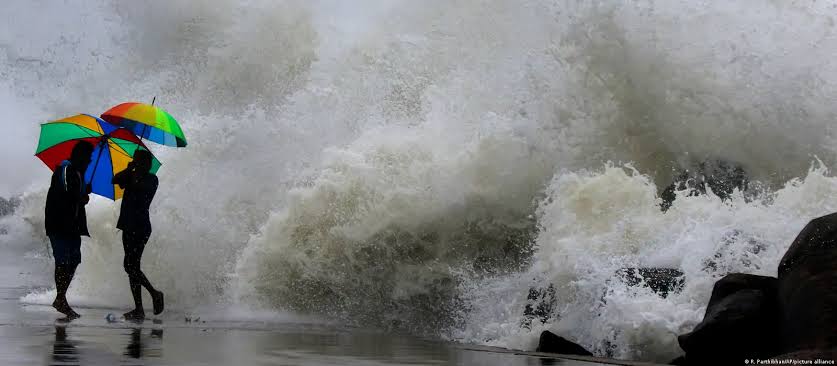
Severe Cyclonic Storm Murasu crossed the southern coast of Andhra Pradesh early Tuesday morning, November 3, bringing powerful winds of 100–110 kmph, with gusts reaching up to 120 kmph, according to the India Meteorological Department (IMD). The cyclone crossed the coastline between Nellore and Narsapur, close to Ongole, between 3:30 am and 5:30 am.
The storm triggered heavy rainfall, strong winds and widespread disruption across several coastal districts. Authorities had already placed disaster response teams on alert and evacuated people from vulnerable areas ahead of the cyclone’s arrival to minimise the risk to human life.
The landfall process reportedly began around 1 am, when the cyclone’s wall cloud started moving towards the Andhra Pradesh coastline. The IMD continuously monitored its movement and issued warnings as the storm advanced inland.
Heavy Rainfall and Strong Winds Batter Coastal Districts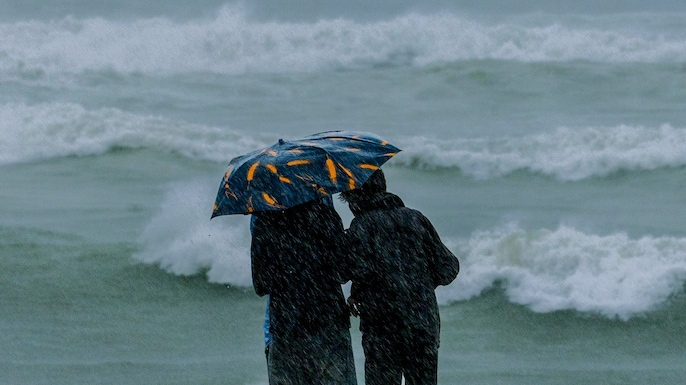
Trees Uprooted and Power Supply Disrupted
Cyclone Murasu brought intense rainfall and powerful winds to several parts of southern Andhra Pradesh. Reports indicated that trees and electric poles were uprooted, roads were damaged, and power supply and communication services were disrupted in affected areas.
Kothapatnam in Prakasam district recorded approximately 16.4 cm of rainfall between Monday morning and Tuesday early morning. Several other locations, including Naguluppalapadu, Chirala, Pelluru and Throvagunta, also experienced heavy rainfall.
The strong winds and continuous downpour affected normal life, particularly in coastal regions. Residents faced difficulties due to waterlogging, fallen trees and interruptions to essential services.
Low-Lying Areas Face Flooding Risk
The IMD warned that a storm surge of approximately 1 to 1.5 metres above the astronomical tide could inundate low-lying coastal areas of southern Andhra Pradesh.
Bapatla, Krishna and Prakasam districts were identified as areas that could experience the maximum impact of the storm surge. Authorities were advised to remain vigilant and take necessary precautions to protect people living in vulnerable coastal settlements.
Government Steps Up Rescue and Relief Preparations
Thousands of People Evacuated
The Andhra Pradesh administration intensified its preparations before the cyclone made landfall. Authorities arranged evacuation measures and shifted residents from vulnerable coastal locations to safer places and relief camps.
According to reports, the state had planned to move around 30,000 people to safer locations ahead of the cyclone. Disaster response personnel, emergency services and local administration teams were deployed to manage the situation.
The primary objective was to prevent casualties and ensure that people living in low-lying areas received timely assistance.
Officials also focused on maintaining essential services, clearing blocked roads and restoring electricity and communication networks wherever possible.
Emergency Teams Remain on Alert
Rescue and disaster management teams were kept ready to respond to emergencies. Residents were advised to remain indoors, avoid unnecessary travel and stay away from damaged electrical infrastructure and flooded roads.
Fishermen were also warned against venturing into the sea due to rough weather and dangerous marine conditions.
Odisha and Tamil Nadu Also Remain on Weather Alert
Although Andhra Pradesh faced the direct impact of Cyclone Murasu, neighbouring states also experienced adverse weather conditions.
In Odisha, authorities placed several southern districts, including Ganjam, Gajapati, Rayagada, Koraput and Malkangiri, on alert. Heavy rainfall accompanied by gusty winds was reported in some areas.
The weather system also affected flight operations in Chennai, with several flights cancelled due to adverse weather conditions.
The IMD continued monitoring the cyclone’s movement and warned that rainfall and strong winds could affect neighbouring regions as the system moved further inland.
Cyclone Murasu Likely to Weaken Gradually
IMD Forecasts a Gradual Reduction in Wind Speed
Following its landfall, Cyclone Murasu is expected to move north-northwestwards and gradually weaken. According to the IMD forecast, the system is likely to weaken into a cyclonic storm, with wind speeds reducing to 80–90 kmph and gusts reaching 100 kmph by Tuesday afternoon.
It is further expected to weaken into a deep depression by midnight, with wind speeds falling to approximately 55–65 kmph and gusts reaching 75 kmph.
However, weakening does not mean that the danger has completely passed. Heavy rainfall, localised flooding and strong winds may continue in affected areas for several hours.
IMD Advises Residents to Remain Cautious
The weather department has urged residents in vulnerable locations to follow official advisories and avoid unnecessary movement during adverse weather conditions.
People have been advised not to approach the coastline, cross flooded roads or touch fallen electric wires. Residents should also remain alert to warnings issued by local authorities and disaster management agencies.
Relief and restoration operations are expected to remain a priority in the affected districts as officials assess the damage caused by the cyclone.
Read more like this:
- ‘हवाई जहाज से यात्रा मत कीजिए, अगला मामला’: 700% तक एयरफेयर बढ़ोतरी की याचिका पर सुप्रीम कोर्ट के जज की टिप्पणी
- बेंगलुरु में बन रही स्वदेशी बुलेट ट्रेन का डिजाइन तैयार, मई 2027 तक ट्रैक पर उतरने की उम्मीद
Conclusion
Cyclone Murasu has crossed the southern Andhra Pradesh coast with wind speeds reaching 110 kmph and gusts of up to 120 kmph, leaving several coastal areas affected by heavy rainfall, strong winds and infrastructure damage.
With the storm expected to weaken gradually, the immediate focus remains on rescue operations, restoring essential services and protecting vulnerable communities. Authorities continue to monitor the situation, while residents have been urged to remain cautious until weather conditions improve.