Join
 Shorts

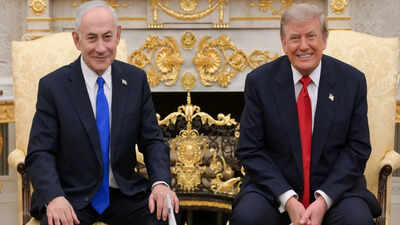
Tensions between Iran, Israel and the United States are rising once again after Israeli Prime Minister Benjamin Netanyahu reportedly urged US President Donald Trump to launch fresh military strikes against Iran immediately after Tuesday’s US midterm elections.
According to a report by Axios, the two leaders held a telephone conversation on Saturday to discuss Washington’s ongoing negotiations with Tehran and the possibility of resuming military operations. The conversation reportedly highlighted differences between the Israeli and American approaches towards Iran.
While Netanyahu is pushing for renewed military action, Trump appears willing to give diplomatic negotiations more time before taking a final decision.
The development has raised fresh concerns about the possibility of another major military confrontation in the Middle East.
Netanyahu Presses Trump for Immediate Military Action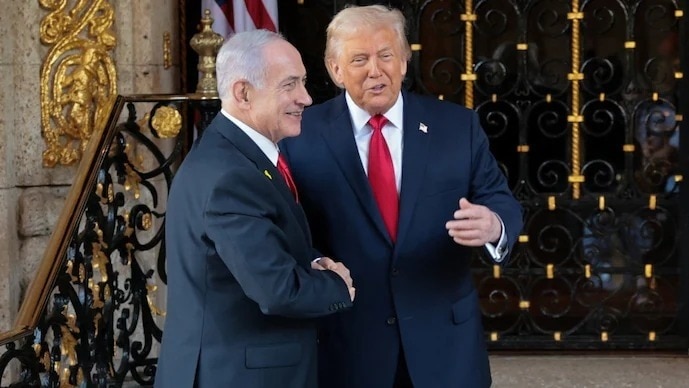
Israeli Leadership Concerned Over US Diplomatic Approach
According to sources cited by Axios, Netanyahu wants the United States to resume military operations against Iran shortly after the November 3 midterm elections.
An Israeli source reportedly described the conversation between the two leaders as “tough”, while an American source characterised it as “direct”.
Israel is concerned that Washington’s continued focus on negotiations could provide Tehran with additional time to strengthen its position.
Netanyahu reportedly believes that military pressure may be necessary to address Iran’s nuclear programme and prevent Tehran from rebuilding its strategic capabilities.
However, neither the White House nor Netanyahu’s office publicly commented on the reported details of the conversation.
Trump Prefers Giving Diplomacy More Time
US President Says Negotiations Are Progressing
Despite Netanyahu’s reported pressure, Trump has indicated that he is not in a hurry to restart military operations.
Speaking to reporters on Sunday, Trump confirmed that he had spoken with Netanyahu and discussed Iran.
Describing the conversation, Trump said, “We had a very good conversation.”
He also told reporters that negotiations with Iran were “going fine” and suggested that Washington was prepared to continue exploring diplomatic possibilities.
Trump has expressed doubts about Tehran’s willingness to honour any agreement, arguing that previous commitments have not always been maintained.
His approach appears to involve keeping diplomatic channels open while ensuring that military options remain available.
US Keeps Military Options on the Table
Suspected Nuclear Facilities Remain a Major Concern
Although Trump is allowing negotiations to continue, he has not ruled out further military action against Iran.
During recent remarks, the US president referred to one or two Iranian nuclear-related locations that Washington still wants to address.
He specifically mentioned the suspected underground nuclear facility known as Pickaxe Mountain.
Trump suggested that the United States could carry out an operation against the facility very quickly if necessary.
These remarks indicate that Washington is maintaining military preparedness even as diplomatic efforts continue.
The situation reflects a dual-track American strategy: pursuing a possible agreement with Tehran while retaining the ability to resume combat operations if negotiations fail.
JD Vance’s Letter Signals Fresh Diplomatic Outreach
Washington Attempts to Reopen Negotiations With Tehran
Another significant development is the diplomatic outreach by US Vice President JD Vance, who reportedly sent a letter to Iran’s national security chief, Mohsen Rezaei, concerning the possibility of restarting negotiations.
The communication represents an important diplomatic initiative after several months of limited high-level engagement between Washington and Tehran.
The United States wants discussions to address Iran’s nuclear ambitions and broader security concerns.
Iran, however, has its own conditions and wants Washington to respond to questions raised by Tehran before meaningful negotiations can resume.
The diplomatic initiative suggests that the Trump administration has not completely abandoned the possibility of reaching an agreement without another military confrontation.
Qatar Steps In to Prevent Another War
Mediators Working to Bring Washington and Tehran Together
Qatar is playing an important role in the latest diplomatic efforts.
Qatari mediators reportedly met Iranian officials for the third consecutive day on Sunday to explore a possible agreement that could restart direct negotiations between the United States and Iran.
Iranian Foreign Minister Abbas Araghchi said that no final agreement had been reached so far.
He indicated that progress depended on Washington responding to questions raised by Tehran.
Araghchi also expressed hope that the other side would demonstrate enough willingness to choose diplomacy instead of military confrontation.
However, Iran has maintained that it is prepared to defend itself if attacked.
Iran Warns Against Further Military Escalation
Tehran Maintains Both Defence and Diplomacy Options
Iran has made it clear that it does not want to appear weak in the face of American and Israeli pressure.
Tehran has continued to issue warnings that any fresh military attack could invite a strong response.
Iranian officials have also stressed that diplomatic engagement remains possible, provided Washington takes Tehran’s concerns seriously.
The situation is particularly sensitive because the Strait of Hormuz remains a major strategic concern. The waterway is one of the world’s most important routes for international oil and gas shipments.
Any escalation involving Iran could threaten commercial shipping, disrupt energy supplies and create uncertainty in global markets.
Middle East Braces for Possible New Conflict
November 3 Elections Could Become a Critical Turning Point
The timing of Netanyahu’s reported request is particularly significant because it is linked to the November 3 US midterm elections.
The possibility of renewed military operations after the elections has increased uncertainty across the region.
However, no final decision to launch fresh strikes has been publicly announced by Trump.
The coming days will be important in determining whether Washington chooses diplomatic negotiations or military action.
Read more like this:
- ‘हवाई जहाज से यात्रा मत कीजिए, अगला मामला’: 700% तक एयरफेयर बढ़ोतरी की याचिका पर सुप्रीम कोर्ट के जज की टिप्पणी
- बेंगलुरु में बन रही स्वदेशी बुलेट ट्रेन का डिजाइन तैयार, मई 2027 तक ट्रैक पर उतरने की उम्मीद
Conclusion:
Will Trump Choose Netanyahu’s Military Strategy or Diplomacy?
The growing differences between Netanyahu and Trump highlight the difficult choices facing the United States over Iran.
Israel wants stronger military action, while Trump appears interested in giving negotiations another opportunity without abandoning military preparedness.
For now, Qatar’s mediation efforts and Washington’s diplomatic outreach offer a possible route to de-escalation.
However, if negotiations collapse and military pressure increases, the Middle East could face another dangerous confrontation.
The biggest question remains whether Trump will accept Netanyahu’s demand for fresh strikes or continue pursuing a diplomatic solution with Tehran.