Join
Join
 Shorts

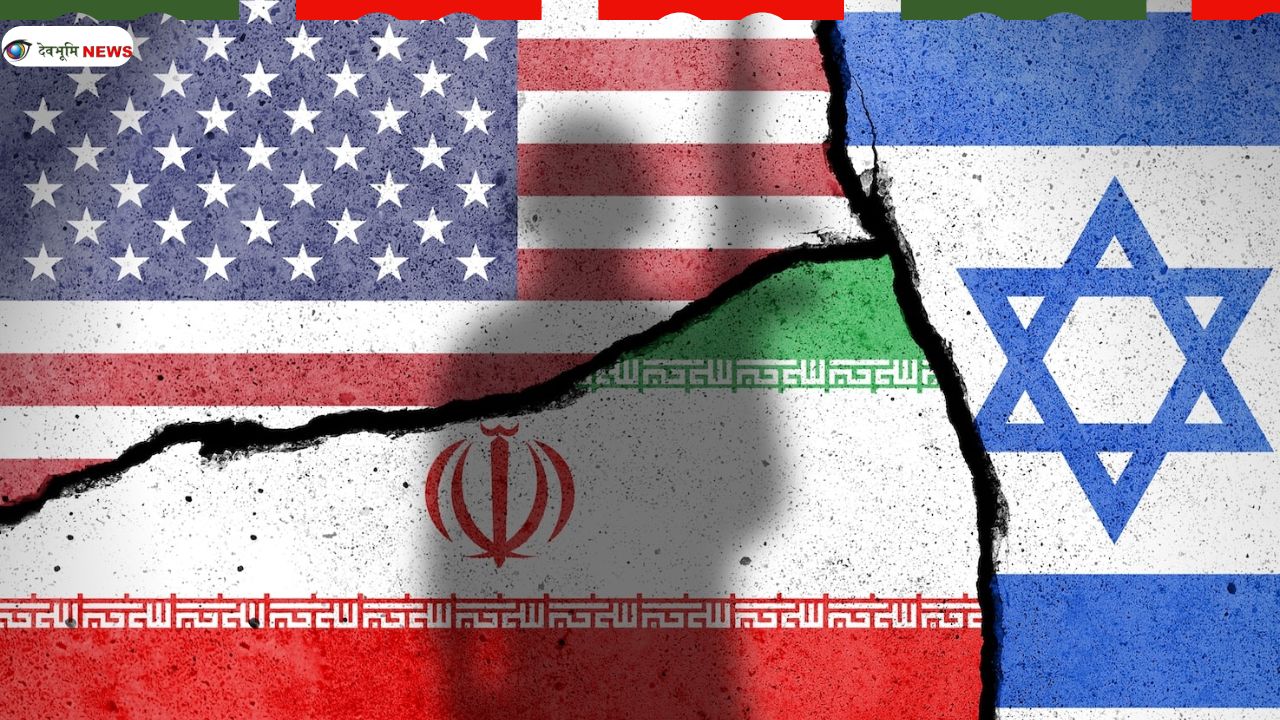
Why the US–Israel–Iran War May Turn Into a Frozen Conflict: A conflict that is frozen doesn’t mean peace. It’s when combat ceases in large-scale, active fashion but the fundamental problems remain unsolved. Cyber warfare, low-level violence and political tension persist for a long time, frequently for years, or even decades. An example of this is the war in the eastern part of Ukraine from 2014 to 2022. The conflict was able to continue despite ceasefires periodically.
With a fragile ceasefire in effect between the United States, Israel, and Iran Many analysts believe that this war is heading in the same direction, instead of a long-lasting peace.
1. Ceasefires Are Being Treated as Final Outcomes
Short-Term Wins Over Long-Term Solutions
The former US president Donald Trump has often framed ceasefires as decisive victories, instead of temporary pauses intended to facilitate discussions. Trump’s approach is to announce victory after major hostilities cease regardless of whether the underlying cause of the conflict remains unsolved.
This has been seen in a variety of global flashpoints where ceasefires have reduced violence, but did not result in long-term peace agreements. The result is that tensions remain under the surface, thereby keeping the threat of conflict resurfacing in the air.
2. Asymmetric Warfare Favors Prolonged Stalemates
Unequal Power, Endless Conflict
The current conflict is extremely asymmetrical: the United States and Israel possess an overwhelming military force, while Iran employs unconventional strategies to ensure that the field is level.
Instead of direct confrontation Iran is:
- Regional infrastructure targets
- Transnational trade routes disrupted by disruptions like those in the Strait of Hormuz
- The application of psychological and economic pressure
These strategies are common in wars that are asymmetric, and seldom end with decisive victories. The weaker states seek to defeat stronger states by forcing them to leave or compromising over the course of time.
Similar to this is the long-running conflict that involved Taliban Taliban in Afghanistan and the subsequent persistence changed the balance in spite of the military’s disadvantages.
Read Also: Power Struggle Turns Violent: 11 Hurt in Gurdwara Clash in Germany’s Moers
3. Core Issues Remain Unresolved
The Nuclear Dispute at the Center
At the core of the conflict is the nuclear program of Iran, a matter that remains a major source of contention.
Iran believes it is entitled to enrich its uranium to be used for civilian purposes and Washington considers this option to be significant security threat. Previous negotiations, including the nuclear agreement of 2015 took more than two years to conclude and failed to reach a an agreement that was lasting.
Talks have already stopped and have highlighted the difficulty to reach a consensus. Without addressing these core issues the ceasefire will not be able to develop into a lasting peace.
What a Frozen Conflict Means for the Region
Long-Term Instability and Periodic Violence
If the war becomes a frozen conflict and the conflict becomes a stalemate, it could mean that the Middle East could face:
- Regular military flare-ups
- Threats continue to be made about nuclear capabilities
- The disruption of the global supply routes for oil
- A possible regional arms race
The historical parallels in the past reinforce this worry. There are historical parallels that reinforce this concern. Korean Peninsula remains technically at war despite the armistice of 1953, and long-running conflicts with India as well as Pakistan have led to a series of crises and nuclear rivalries.
Read Also: “Delulu is the Solulu” Why This Viral Trend Is Shaping ultramodern love
Conclusion
The current ceasefire between US, Israel, and Iran could reduce violence in the immediate future but it is not able to solve the more fundamental issues of strategic and political that fuel the conflict. Due to the dependence on short-term ceasefires, the nature Asymmetric warfare, and the absence of significant progress on issues such as Iran’s nuclear ambitions the most likely outcome will be an extended frozen conflict, characterized by instability, periodic conflict, and ongoing tensions in the geopolitical sphere.