Join
Join
 Shorts

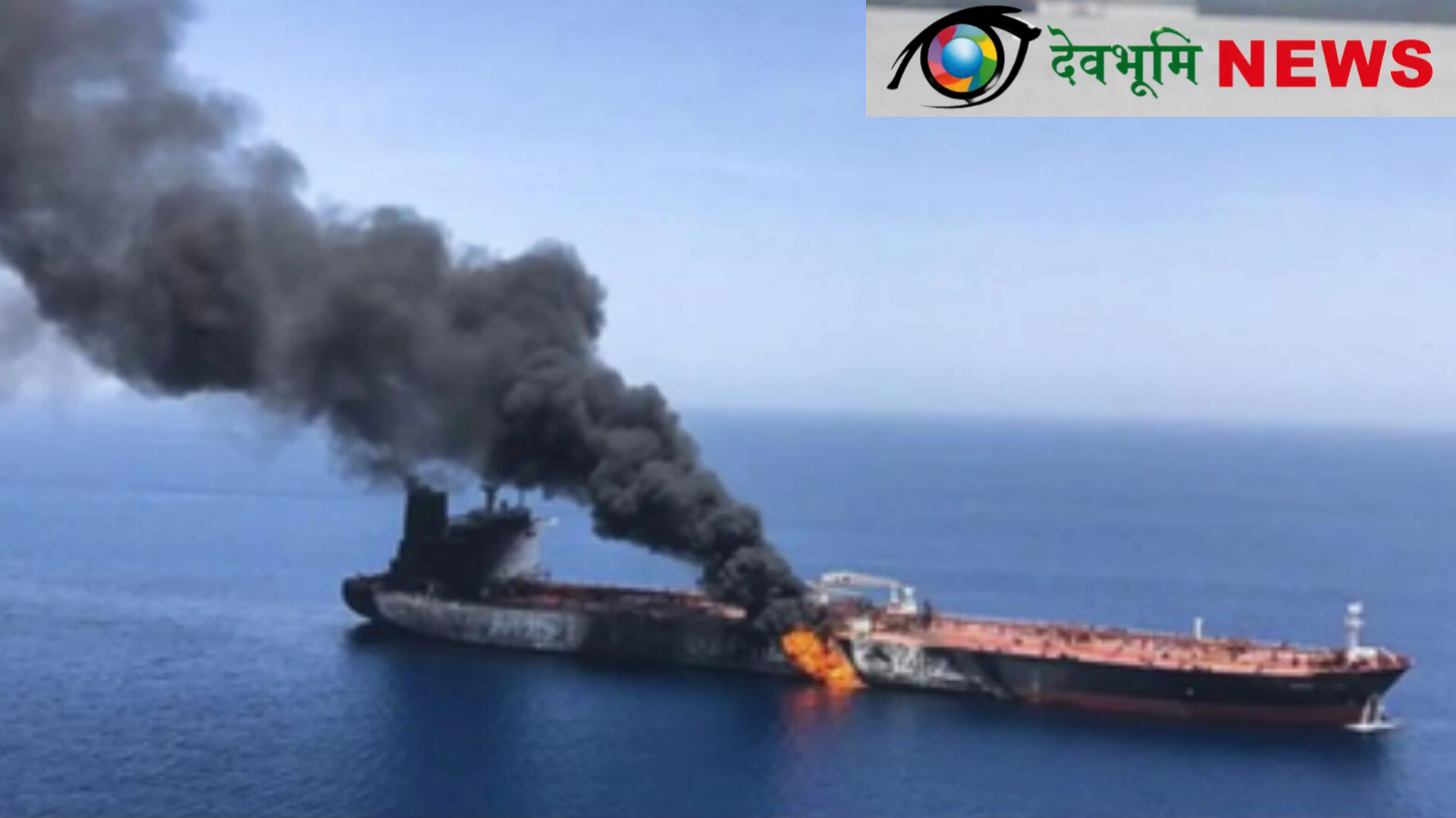
The escalating US-Iran war in 2026 has become one of the most critical geopolitical crises in recent years, with tensions involving the United States, Israel, Iran, and Gulf nations threatening global energy security and international stability.
The conflict has intensified around the Strait of Hormuz, a strategic oil transit checkpoint that carries nearly one-fourth of the world’s seaborne crude oil supply. Recent diplomatic efforts led by former US President Donald Trump have raised hopes for a temporary ceasefire and a possible Iran nuclear agreement, but major disagreements remain unresolved.
US-Iran War 2026 Intensifies Amid Strait of Hormuz Tensions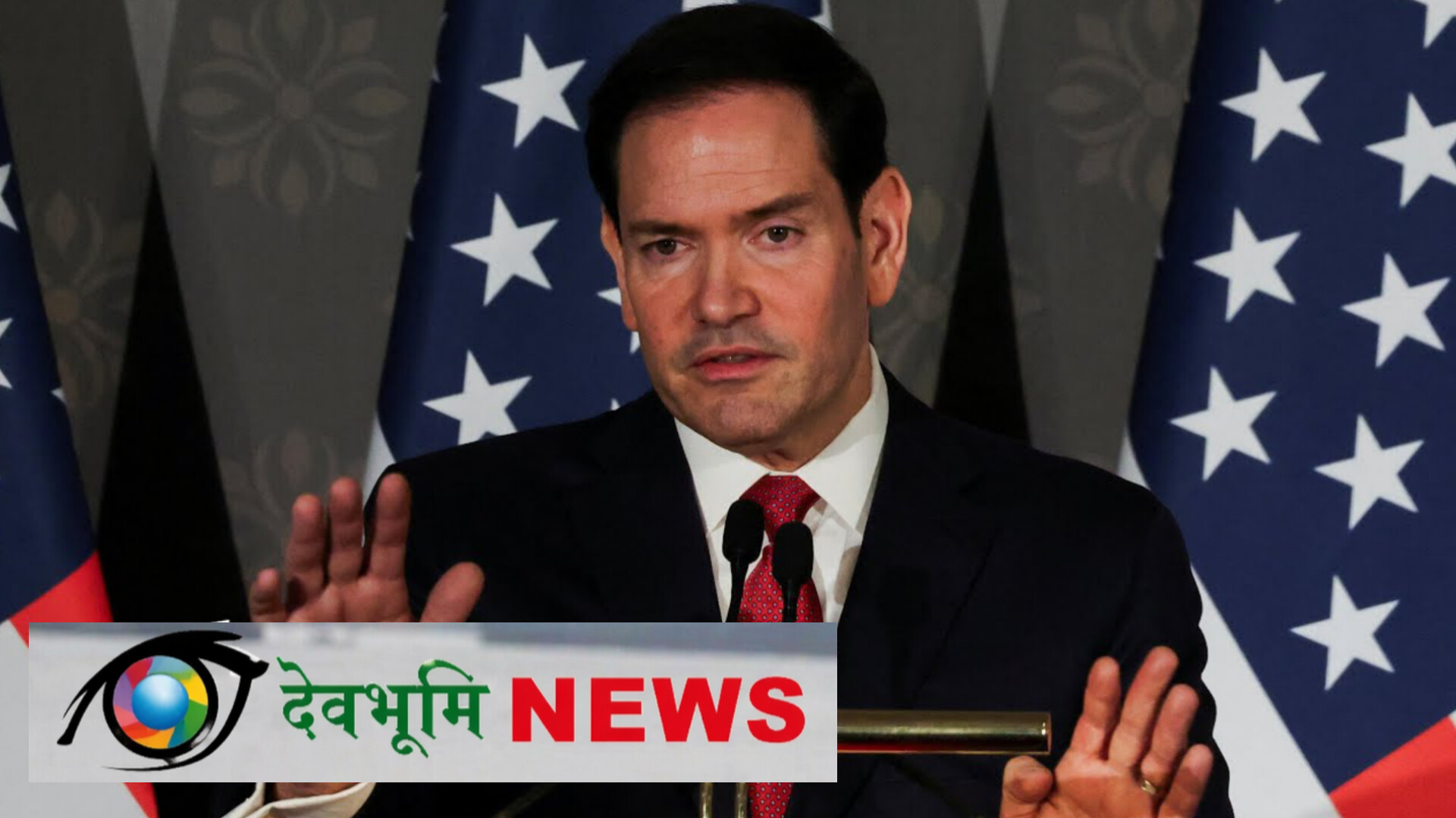
The Strait of Hormuz crisis has emerged as the center of the ongoing US-Iran conflict. Following coordinated US-Israel strikes on Iranian military and nuclear facilities earlier this year, Iran tightened control over the strategic waterway, severely disrupting global shipping routes and oil exports. Iran’s Revolutionary Guard warned foreign vessels against entering the strait without authorization, triggering fears of a prolonged energy crisis.
The United States responded by preparing naval escort operations under “Operation Project Freedom,” aimed at reopening shipping lanes and protecting commercial vessels from Iranian attacks. However, several Gulf nations reportedly hesitated to support the operation publicly due to fears of wider regional escalation.
As shipping disruptions continued, oil prices surged globally, affecting fuel prices across countries including India. Petrol and diesel prices in India have already risen multiple times due to increasing crude oil costs linked directly to the Middle East conflict.
Donald Trump Pushes Iran Ceasefire and Nuclear Deal Negotiations
Former US President Donald Trump has taken center stage in the ongoing negotiations aimed at securing a ceasefire between the United States and Iran. Trump claimed that a major portion of the agreement had already been negotiated, although Iranian officials publicly denied that a final settlement had been reached.
The proposed deal reportedly includes reopening the Strait of Hormuz within 30 days of a finalized agreement, reducing maritime restrictions, and potentially ending transit charges imposed by Iran. Discussions also involve sanctions relief, frozen Iranian assets, and limits on Iran’s uranium enrichment program.
Despite signs of progress, deep mistrust continues between Tehran and Washington. Iran has demanded reparations, withdrawal of certain US military operations in the region, and guarantees against future attacks. Meanwhile, the United States insists that Iran must curb its nuclear ambitions and reduce support for armed regional groups.
Israel-Iran Conflict Adds Pressure to Middle East Peace Talks
The Israel-Iran conflict remains closely tied to the broader US-Iran war. Israel has repeatedly warned that any agreement that fails to dismantle Iran’s nuclear capabilities would threaten regional security. Israeli officials have also expressed concerns that ceasefire talks may allow Iran additional time to rebuild its military infrastructure.
Reports indicate that Israel and the United States have continued preparing military contingency plans in case negotiations collapse. Intelligence reports suggest renewed strikes could occur if Tehran refuses to compromise on nuclear inspections and maritime security issues.
The situation has further complicated diplomatic relations across the Middle East, especially with Hezbollah activity in Lebanon and rising tensions near Gulf shipping lanes. The possibility of a broader regional war remains a major concern for international observers.
Iran Nuclear Agreement Faces Major Roadblocks
The proposed Iran nuclear agreement continues to face serious obstacles despite weeks of negotiations. One of the biggest sticking points remains Iran’s uranium enrichment program. The United States and Israel want stricter oversight and reduced enrichment levels, while Iran insists on maintaining what it calls its sovereign nuclear rights.
Another contentious issue involves control of the Strait of Hormuz. Iranian leaders recently declared that managing the strait remains a “legal right” and a core element of national security. This statement raised concerns among Western governments and global energy markets because any disruption to shipping routes could trigger another spike in oil prices.
In addition, the US naval blockade and ongoing military operations continue to create uncertainty around the peace process. Although both sides publicly support diplomacy, military actions have not completely stopped. Recent US “self-defense strikes” in southern Iran targeted missile launch sites and boats allegedly involved in laying naval mines near the strait.
Global Oil Prices and Indian Fuel Costs Rise Due to Middle East Conflict
The impact of the US-Iran war is already being felt across global energy markets. The Strait of Hormuz is one of the world’s most critical oil shipping corridors, and any threat to its operation causes immediate reactions in crude oil prices. Insurance costs for oil tankers have surged, while many shipping companies continue avoiding the region due to security risks.
India, which imports a large share of its crude oil from the Middle East, has experienced sharp increases in petrol and diesel prices over recent weeks. Analysts warn that prolonged instability in the Gulf could further raise transportation costs, inflation, and energy expenses worldwide
Global financial markets are also closely monitoring developments because any disruption in energy supply chains can slow economic growth and increase geopolitical uncertainty. Countries dependent on Gulf oil exports remain especially vulnerable to further escalation in the region.
Read more like this:
- BMW M 1000 RR Isle of Man TT Edition Is the Kind of Motorcycle That Makes Logic Leave the Room
- VinFast VF8 2026 Is No Longer Trying Too Hard — And That’s Exactly Why It Works
Future of US-Iran Peace Talks Remains Uncertain
Although diplomatic negotiations continue, the future of the US-Iran peace process remains uncertain. Trump has maintained that a “good and proper” deal is still possible, but both Iran and Israel remain deeply skeptical of each other’s intentions.
Regional mediators including Qatar and Gulf nations are actively involved in efforts to prevent a wider war. However, unresolved issues surrounding nuclear restrictions, maritime security, sanctions relief, and military presence continue to delay a comprehensive agreement.
The coming weeks are expected to be crucial for determining whether the Middle East moves toward peace or deeper conflict. Any breakthrough in negotiations could stabilize oil markets and ease regional tensions.