Join
Join
 Shorts

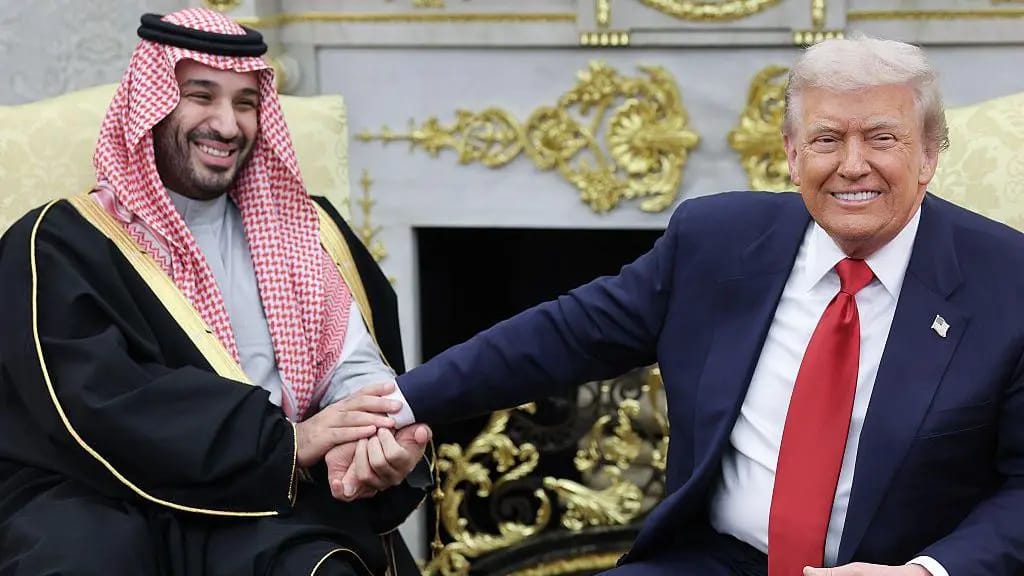
The United States and Saudi Arabia have signed a landmark civil nuclear cooperation agreement that is being described as one of the most significant strategic partnerships between the two countries in recent years. The deal, announced by the U.S. Department of Energy, establishes the legal framework for long-term cooperation in developing Saudi Arabia’s civilian nuclear energy programme while expanding American involvement in the Kingdom’s energy sector.
The agreement comes at a time of heightened geopolitical tensions in the Middle East, particularly following months of conflict involving Iran and growing concerns over regional security.
US -Saudi-A Long-Term Strategic Partnership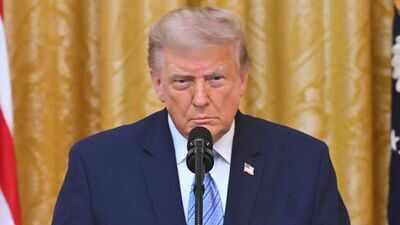
The agreement, commonly referred to as a 123 Agreement under U.S. nuclear cooperation laws, was signed by U.S. Energy Secretary Chris Wright and Saudi Energy Minister Prince Abdulaziz bin Salman. According to the U.S. Department of Energy, the partnership lays the foundation for decades of peaceful nuclear cooperation and is expected to create significant commercial opportunities for American nuclear companies.
Officials said the agreement aims to support Saudi Arabia’s growing electricity demand through nuclear power while allowing the Kingdom to diversify its energy mix and preserve more of its oil production for export.
Civilian Nuclear Energy at the Core
According to officials, the agreement focuses on peaceful civilian nuclear energy. American companies are expected to play a central role in designing, constructing, and operating nuclear power infrastructure in Saudi Arabia.
The Kingdom has long expressed interest in developing a domestic nuclear energy programme as part of its broader economic diversification strategy under Vision 2030. Saudi officials argue that nuclear power will help meet rising electricity demand while reducing domestic oil consumption.
Uranium Enrichment Raises Questions
One of the most closely watched aspects of the agreement is the possibility that Saudi Arabia could eventually enrich uranium domestically.
Although uranium enrichment is commonly used to produce fuel for civilian nuclear reactors, the same technology can also be adapted for military purposes if enriched to much higher levels. Reports indicate that the agreement could permit future enrichment under specific conditions and safeguards, making it one of the most controversial provisions of the pact.
U.S. officials insist that the agreement contains safeguards designed to ensure the programme remains peaceful and complies with non-proliferation objectives.
Regional Security Concerns
The timing of the agreement has drawn considerable international attention because it comes amid continuing tensions surrounding Iran’s nuclear programme.
For years, Saudi Arabia has maintained that if Iran were ever to acquire nuclear weapons, Riyadh would consider taking similar steps to ensure its own security. Those statements have fueled concerns among international observers that any expansion of Saudi nuclear capabilities could encourage a regional nuclear competition.
Several former security officials and nuclear experts have warned that even civilian enrichment technology could eventually alter the strategic balance in the Middle East if safeguards prove insufficient.
US Government Defends the Agreement
The Trump administration has defended the agreement, arguing that closer cooperation with Saudi Arabia provides stronger oversight than allowing the Kingdom to pursue nuclear partnerships with other global powers.
Officials say the agreement strengthens American influence over Saudi Arabia’s nuclear development while supporting high standards of nuclear safety, security, and non-proliferation. They also argue that excluding the United States from the Saudi nuclear market could have encouraged Riyadh to seek assistance from countries such as China or Russia.
Congressional Review Ahead
Before the agreement becomes fully operational, it must undergo review by the U.S. Congress.
Under U.S. law, lawmakers will have an opportunity to examine the terms of the agreement, particularly its safeguards against nuclear weapons development. Although congressional opposition is possible, analysts note that blocking the agreement would require overcoming significant procedural hurdles.
Economic Opportunities
Beyond strategic considerations, the agreement carries substantial economic significance.Industry analysts estimate that the partnership could generate contracts worth tens of billions of dollars for American nuclear companies over the next three decades. U.S. firms are expected to compete for reactor construction, fuel supply, engineering services, maintenance, and advanced nuclear technologies.
Saudi Arabia, meanwhile, views nuclear energy as an essential component of its long-term plan to diversify the economy beyond oil revenues while supporting rapid industrial growth.
International Reactions on this Deal
The agreement has received mixed reactions internationally.
Supporters argue that it reflects a realistic approach to strengthening alliances while promoting civilian nuclear energy under U.S. oversight. They contend that engaging Saudi Arabia directly is preferable to leaving the field open to competing global powers.
Critics, however, warn that permitting enrichment capability could weaken long-standing global non-proliferation norms and encourage similar demands from other countries in the future. Some experts have also questioned whether existing safeguards will be sufficient to prevent future military applications.
Read more like this:
- Buy Now Pay Later Risk: तुरंत खरीदारी का यह तरीका बाद में जेब पर कैसे भारी पड़ता है
- हैदराबाद में एयरलाइन क्रू सदस्य से कथित दुष्कर्म: ऑफिस कैब चालक गिरफ्तार, पुलिस जांच तेज
- SIP Step Up Strategy: सैलरी बढ़ने के साथ निवेश बढ़ाना क्यों समझदारी है
Looking Ahead
As congressional review begins, policymakers, energy experts, and international observers will closely monitor the implementation of the agreement. Much attention will focus on the specific safeguards, inspection mechanisms, and future decisions regarding uranium enrichment.
The agreement is likely to shape U.S.-Saudi relations for decades while influencing broader debates over nuclear energy, regional security, and global non-proliferation policy.
Conclusion
The landmark U.S.-Saudi nuclear cooperation agreement represents a major milestone in bilateral relations, combining strategic, economic, and energy objectives into one of the most significant international agreements signed this year. While both governments describe it as a peaceful civilian partnership that strengthens energy security and economic cooperation, questions surrounding uranium enrichment and regional security ensure that the deal will remain under close international scrutiny.
As Congress reviews the agreement and implementation begins, its long-term impact on Middle East geopolitics and the global nuclear order will be watched carefully by governments and experts around the world.