Join
Join
 Shorts

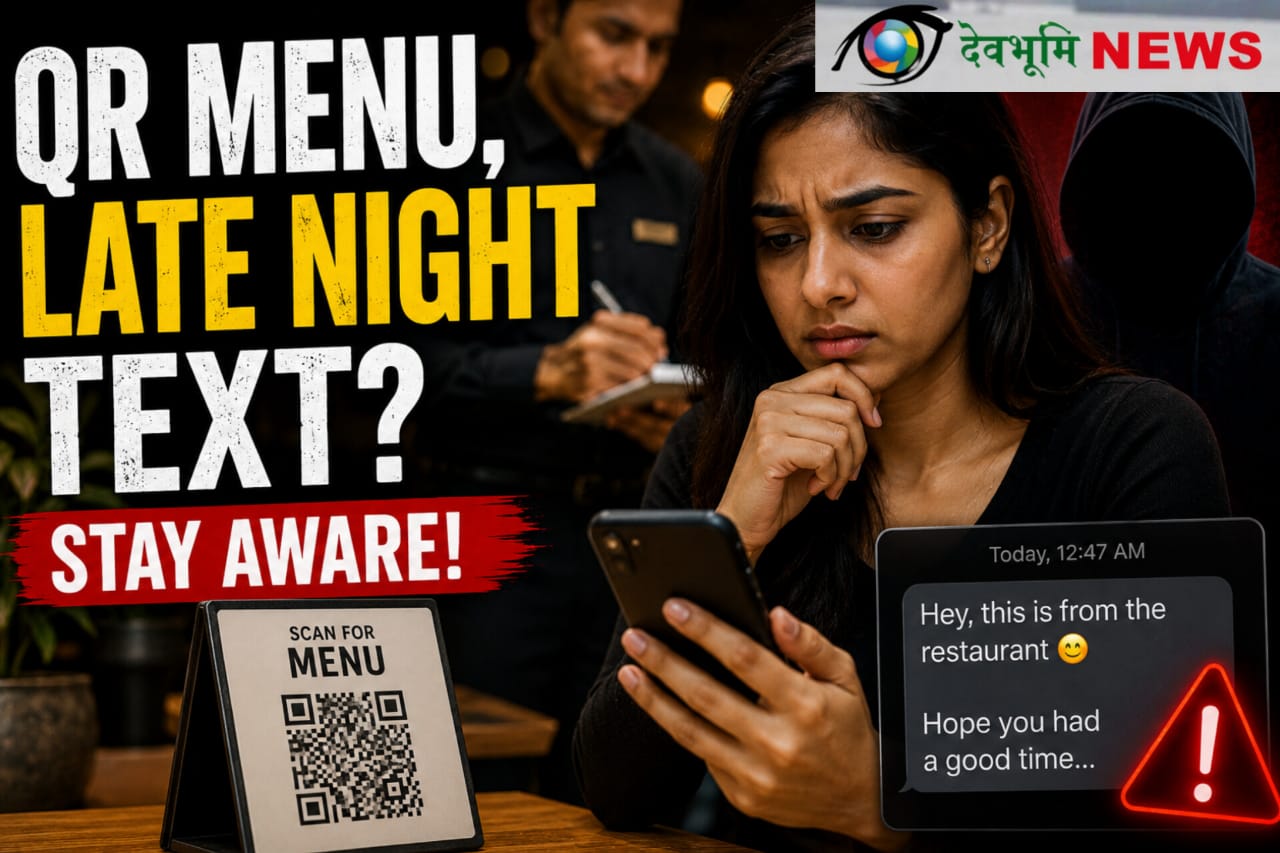
A viral incident from Pune has triggered a nationwide debate over QR code privacy, restaurant customer safety, and digital data misuse after a woman alleged that a restaurant employee accessed her personal phone number through a QR-based menu system and sent her unsolicited late-night messages.
The controversy has once again raised questions about how restaurants collect, store, and protect customer information in the era of digital dining experiences.
Controversy that raised the Debate nationwide
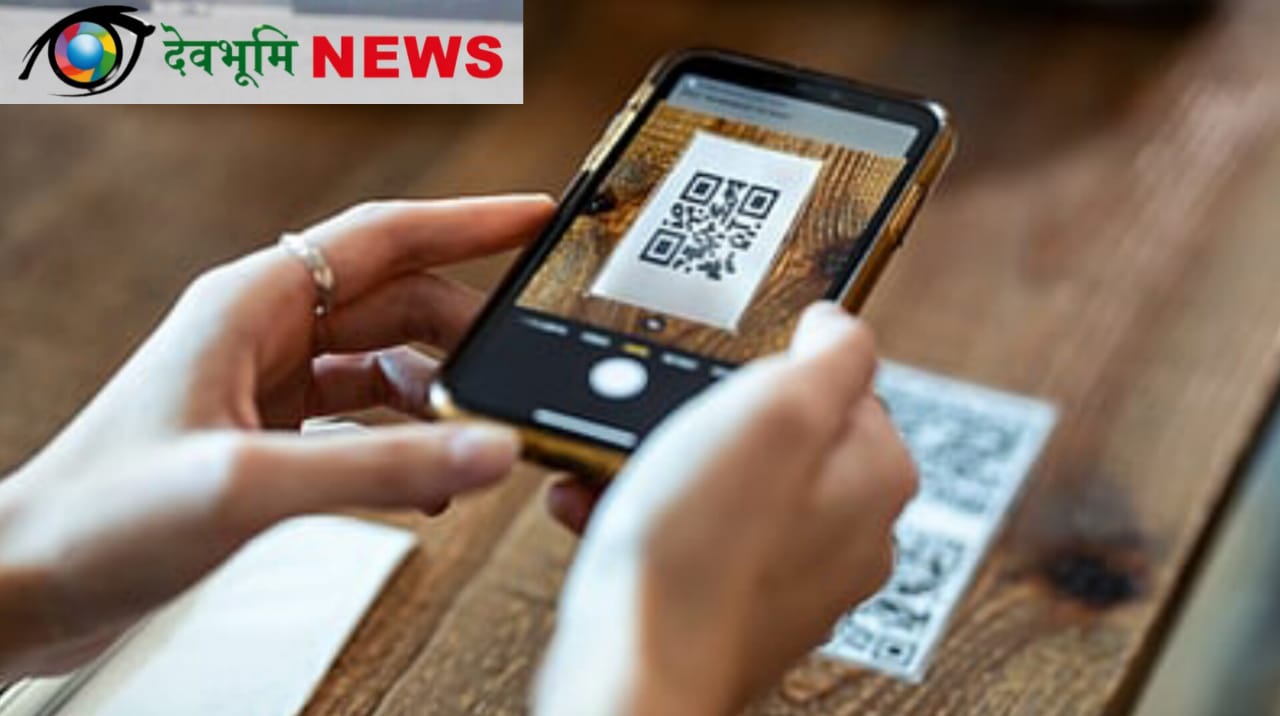
The woman at the center of the controversy, Rishika Dutta, shared her experience on social media after visiting a popular restaurant on FC Road in Pune. According to her allegations, she scanned a QR code menu to place an order, which is now a common practice at many restaurants across India.
Later that night, she reportedly received personal messages from an unknown number.
After investigating, she claimed the sender was allegedly associated with the same restaurant she had visited earlier in the day. The incident quickly went viral online, with users expressing concern over how easily customer data can allegedly be accessed within restaurant systems.
Pune Restaurant Menu QR controversy case
The Pune QR menu controversy has become a larger conversation about QR code privacy risks and customer data protection in restaurants.
Since the pandemic, many eateries have shifted to paperless ordering systems that require customers to scan QR codes and often submit phone numbers before placing orders. While digital menus improve convenience and reduce physical contact, cybersecurity experts have repeatedly warned that customer information can become vulnerable if businesses fail to implement strict access controls.
Woman raised Allegations on Restaurant Staff
In this case, the woman alleged that her number may have been obtained through the restaurant’s digital ordering platform.
The allegation has intensified discussions about who inside an organisation can access customer data and whether restaurants are adequately safeguarding personal information.
The issue gained momentum after screenshots of the alleged messages surfaced online. In her viral Instagram post, Rishika Dutta warned users about the dangers of careless digital data handling. She wrote that customer data “shouldn’t follow you home,” a statement that resonated strongly with social media users who shared similar concerns about digital privacy and women’s safety. Several users praised her for speaking publicly about the incident, while others claimed they had experienced similar situations involving restaurants, salons, or service providers misusing customer contact details. The incident also fueled conversations about how women often face harassment through personal data leaks in everyday environments.
Pune QR Case Raising Nationwide Awareness
Following the backlash, the restaurant reportedly responded publicly to the allegations and stated that “immediate action” had been taken against the employee involved.
According to multiple reports, the restaurant informed the complainant that the staff member had been terminated from all branches shortly after the complaint was made. The company also stated that customer privacy and safety are extremely important and promised to strengthen internal systems to prevent similar incidents in the future. However, the woman also alleged that the management did not provide written confirmation regarding the termination and did not initially issue a formal apology. The case has highlighted how restaurants are increasingly being held accountable for data protection practices and employee access to customer information.
Read more like this:
- Roche Pharma Launches India’s First 7- nanosecond Injectable Immunotherapy for Lung Cancer
- देहरादून के अर्बन को-ऑपरेटिव बैंक में करोड़ों की वित्तीय हेराफेरी का भंडाफोड़, पांच अधिकारियों पर मुकदमा दर्ज
- प्रधानमंत्री मोदी का 5 देशों का दौरा: UAE से यूरोप तक नए समीकरण साधेगा भारत
Pune Woman’s case-Privacy issue at Risk
The Pune QR menu case has become symbolic of a wider issue involving digital restaurant systems and privacy vulnerabilities.
Across India, QR-based ordering systems are now standard in cafes, pubs, and restaurants, especially in urban areas. Many digital ordering platforms require customers to provide phone numbers, email addresses, payment details, location information, and loyalty account data. Privacy advocates argue that businesses often fail to clearly explain how this information is stored, who can access it, and how long it is retained. The Pune controversy has renewed demands for stricter data protection standards in the hospitality industry and stronger compliance with India’s evolving digital privacy regulations. Social media reactions highlight fear over data misuse, with many users describing the situation as “creepy,” “terrifying,” and “a serious breach of trust.” Some users stated they had stopped visiting restaurants that rely entirely on QR code menus, while others encouraged customers to avoid sharing unnecessary personal information during digital transactions. A section of users also called for legal action and stricter laws governing customer data collection in restaurants and commercial establishments. The incident has especially resonated with women who shared concerns about how personal data collected during routine activities can allegedly be exploited for harassment.
What the Cyber security experts say
Cybersecurity experts say QR menu systems themselves are not inherently unsafe, but weak internal controls can create serious vulnerabilities.
Potential risks linked to QR-based restaurant systems include unauthorized employee access to customer records, poorly secured databases, data sharing without customer consent, inadequate monitoring of internal systems, and weak privacy policies. Experts recommend that restaurants adopt stricter employee access policies and maintain detailed audit logs to track who accesses customer information. Consumers are also being advised to remain cautious when sharing phone numbers or personal details through digital platforms. The Pune incident may ultimately become an important case study in how businesses manage customer privacy in the digital era. It also serves as a reminder that convenience should never come at the cost of personal safety. The controversy continues to generate discussion online, with many users calling for transparency, accountability, and better data protection practices across India’s hospitality industry.