Join
Join
 Shorts

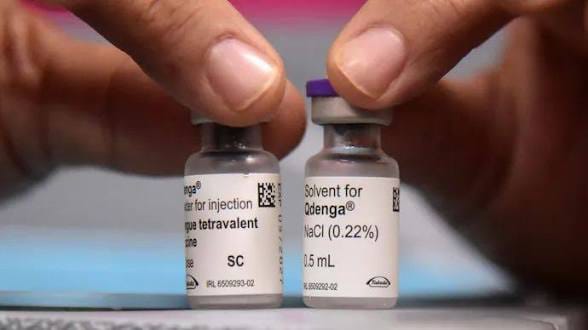
In a landmark decision for India’s healthcare system, the Drug Controller General of India (DCGI) has granted market authorization to QDENGA, making it the country’s first approved dengue vaccine. Developed by Japanese pharmaceutical company Takeda Biopharmaceuticals, the vaccine has been approved for use in individuals aged 4 to 60 years, offering a significant new tool in the fight against dengue, a disease that affects hundreds of thousands of Indians every year.
The approval comes at a time when India continues to witness recurring dengue outbreaks during the monsoon season. Public health experts believe the introduction of an effective vaccine could substantially reduce severe infections, hospitalizations, and deaths, especially in high-risk regions where dengue has become endemic.
Dengue vaccine -A Historic First for India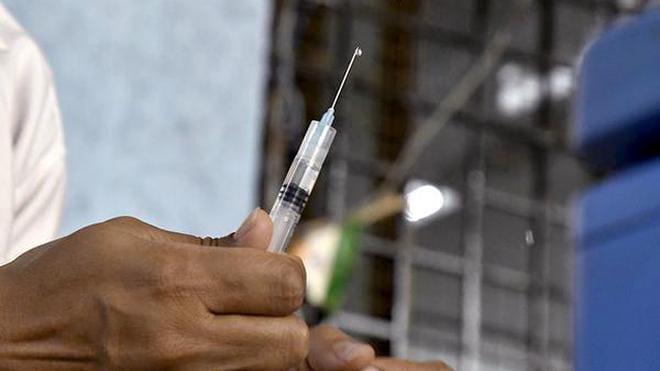
The approval of QDENGA represents the first time India has authorized a vaccine specifically designed to prevent dengue across a broad age group. Unlike some earlier dengue vaccines used in other countries, QDENGA can be administered regardless of whether a person has previously been infected with dengue, eliminating the need for pre-vaccination screening.
Health experts describe the decision as a major milestone because dengue has remained one of India’s most challenging vector-borne diseases, placing enormous pressure on hospitals every monsoon season.
According to Takeda, QDENGA has already been approved in more than 40 countries worldwide, with millions of doses distributed since its international launch. India’s approval now expands access to one of the world’s most widely evaluated dengue vaccines.
How the Dengue Vaccine Works
QDENGA is a live-attenuated tetravalent vaccine, meaning it has been designed to protect against all four dengue virus serotypes (DENV-1, DENV-2, DENV-3, and DENV-4). Protection against all four strains is considered essential because infection with one serotype does not provide immunity against the others, and a second infection with a different strain may increase the risk of severe dengue.
The vaccination schedule consists of two doses administered three months apart through subcutaneous injection. Clinical studies have shown that the vaccine significantly reduces both symptomatic dengue infections and dengue-related hospitalizations.
Rising Dengue Burden in India
India has experienced a sharp increase in dengue cases over the past two decades. Rapid urbanization, changing weather patterns, inadequate mosquito control, and climate change have all contributed to the growing spread of the disease.
Every year, thousands of patients require hospitalization during the monsoon months, while healthcare facilities in several states struggle to manage seasonal outbreaks. Public health authorities have repeatedly emphasized the need for stronger preventive measures in addition to treatment.
What Makes QDENGA Different?
One of the vaccine’s biggest advantages is that previous dengue infection is not required before vaccination. Earlier dengue vaccines available internationally had restrictions because they were recommended only for individuals with confirmed prior dengue infection due to safety concerns.
QDENGA, however, has demonstrated effectiveness in both previously infected and non-infected individuals, making it more suitable for broader public use. This significantly simplifies vaccination strategies because patients do not require laboratory testing before receiving the vaccine.
Clinical Evidence Behind the Approval
The DCGI’s approval follows extensive international clinical research involving thousands of participants. Long-term studies have shown sustained protection against dengue infection and severe disease across all four virus serotypes.
According to available clinical data, the vaccine demonstrated approximately 80 percent effectiveness against confirmed dengue infections and over 90 percent effectiveness in preventing dengue-related hospitalizations, making it one of the most promising preventive interventions developed against the disease.
Availability in India
Although regulatory approval has now been granted, the vaccine is expected to become commercially available in India next year, initially through private healthcare providers. Takeda is also expanding manufacturing capacity globally, including partnerships with Indian manufacturers, to support future demand.
Health authorities are expected to determine whether the vaccine should eventually become part of broader immunization strategies or remain available through private healthcare channels.
Experts Stress Continued Prevention
Despite welcoming the vaccine, infectious disease specialists caution that vaccination alone cannot eliminate dengue.
Doctors emphasize that mosquito control will continue to play a crucial role in preventing outbreaks. People are advised to eliminate stagnant water around homes, use mosquito repellents, wear protective clothing, install window screens, and seek immediate medical care if symptoms such as high fever, severe headache, joint pain, rash, or bleeding develop.
Significance for India’s Healthcare System
Public health specialists believe the approval could substantially reduce the burden on hospitals, especially during monsoon seasons when dengue admissions typically surge.
Lower hospitalization rates could also ease pressure on intensive care units, reduce healthcare expenditure, and improve patient outcomes across states that frequently experience major dengue outbreaks.
The decision also highlights India’s growing emphasis on preventive healthcare and reflects increasing collaboration between international pharmaceutical companies and Indian regulators in bringing innovative vaccines to the country.
Read more like this:
- बढ़ते पावर लोड के बीच Home Inverter की मांग में आ रही है तेजी, खरीदने से पहले रखें इन बातों का ध्यान
- यूक्रेन के ओडेसा तट के पास मालवाहक जहाज पर हमला: 4 भारतीय नाविकों की मौत, एक गंभीर रूप से घायल-रूसी राजनयिक तलब
- क्या है Identity Theft और कैसे डेटा ब्रीच के जरिए अपराधियों तक पहुंचती है आपकी निजी जानकारी?
Looking Ahead
While QDENGA represents a major scientific breakthrough, experts believe continued surveillance, public education, mosquito-control programs, and early diagnosis will remain equally important.
India is also witnessing ongoing research into indigenous dengue vaccines, which could further strengthen domestic vaccine availability in the coming years. The combination of vaccination, improved public health infrastructure, and community awareness may significantly reduce the country’s dengue burden over the next decade.
Conclusion
India’s approval of QDENGA marks a historic moment in the country’s fight against dengue. By becoming the first dengue vaccine authorized for people aged 4 to 60 years, it offers new hope for millions living in regions where the disease poses a recurring threat. Although experts stress that vaccination should complement—not replace—mosquito control and preventive measures, the decision represents one of the most significant advances in India’s battle against vector-borne diseases.
As the vaccine enters the Indian market in the coming months, healthcare professionals expect it to play an increasingly important role in reducing severe illness, hospitalizations, and the overall impact of dengue nationwide.