Join
Join
 Shorts


The Assembly Election Results 2026 have reshaped India’s political landscape in ways that go far beyond headline victories and seat counts. While numerical outcomes indicate clear winners and losers, a deeper analysis reveals evolving voter behavior, regional dynamics, and shifting political narratives. According to a detailed analysis by The Times of India, the real story lies in the underlying trends that define how and why voters made their choices.
This election cycle, covering key states like West Bengal, Tamil Nadu, Kerala, Assam, and Puducherry, has emerged as a crucial indicator of India’s future political trajectory.
Key Trends in Assembly Election Results 2026: Voter Behavior and Political Shifts
One of the most striking aspects of the Assembly Election Results 2026 is the transformation in voter behavior. The elections demonstrated that voters are increasingly making decisions based on a mix of governance performance, welfare delivery, and leadership credibility rather than traditional loyalties.
There is also a noticeable decline in one-dimensional voting patterns. Instead, voters are weighing multiple factors such as economic stability, local governance, and development outcomes. This shift signals a maturing electorate that demands accountability and results.
Regional Dynamics in Election Results 2026: National vs Local Factors
The Election Results 2026 highlight the continued importance of regional dynamics in Indian politics. While national narratives played a role, local issues remained decisive in several states.
For instance, regional parties retained strong influence in certain areas, while national parties made significant inroads in others. This duality underscores the complexity of India’s electoral system, where local governance issues often outweigh broader national campaigns.
The balance between national leadership appeal and regional aspirations has become a defining feature of these elections.
Assembly Election Results 2026: Rise of Welfare Politics and Development Agenda
Another critical trend in the Election Results 2026 is the growing importance of welfare schemes and development initiatives. Governments that successfully implemented welfare programs and demonstrated tangible benefits to citizens gained a significant advantage.
Voters rewarded administrations that delivered on promises related to healthcare, employment, and infrastructure. This indicates a shift toward performance-based politics, where governance outcomes directly influence electoral success.
Leadership Factor in Assembly Election Results 2026: Impact of Strong Leaders
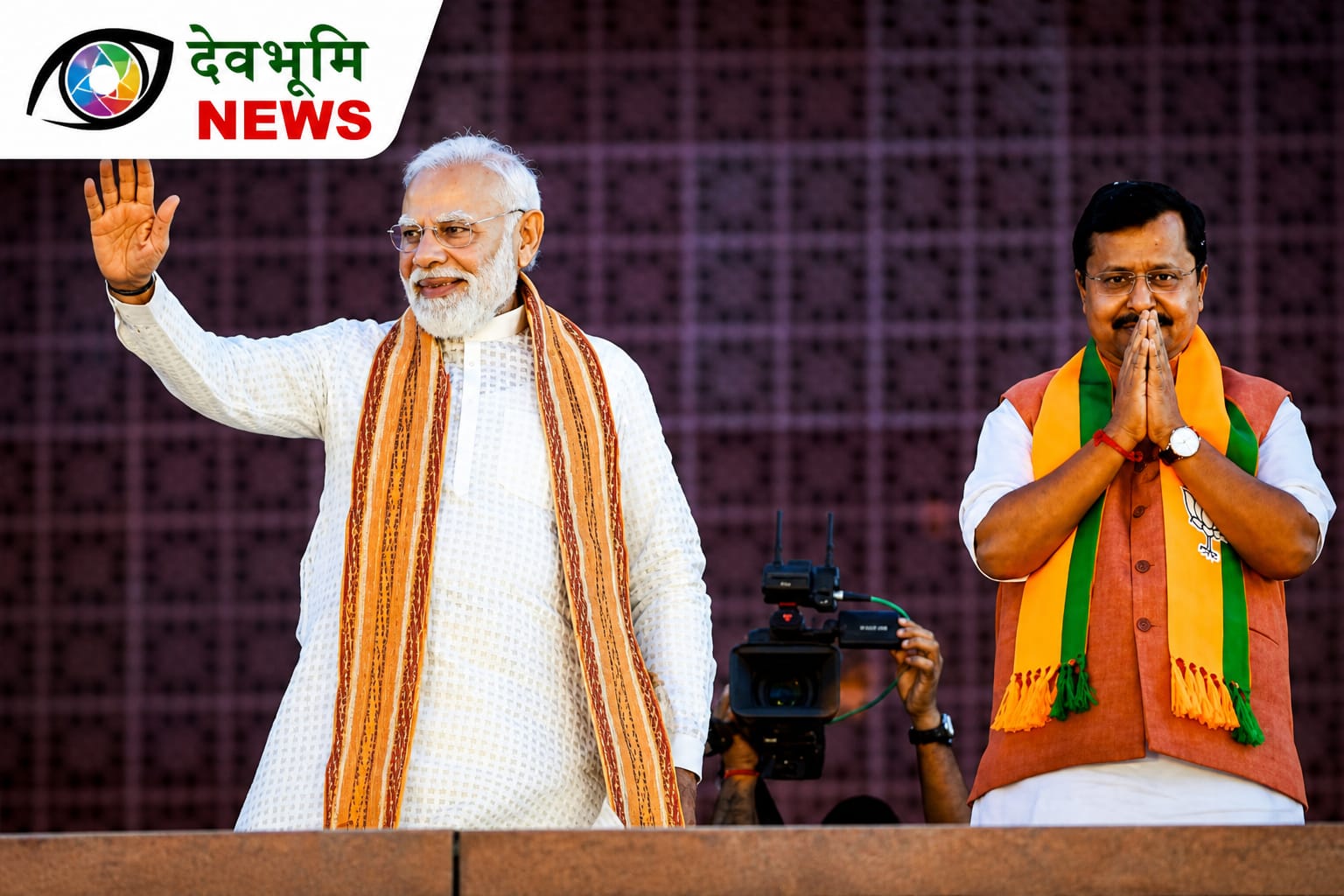
Leadership played a decisive role in shaping the Assembly Election Results 2026. Charismatic and decisive leaders who could connect with voters at the grassroots level had a clear edge.
In several states, strong leadership helped parties consolidate their voter base and expand their reach. The importance of leadership branding and communication strategies has grown significantly, influencing voter perception and trust.
This trend reinforces the idea that elections are increasingly becoming leader-centric rather than purely party-driven.
Assembly Election Results 2026: Role of Identity Politics and Social Factors
Identity politics continues to be a powerful force in the Assembly Election Results 2026. Factors such as caste, religion, and community affiliations played a role in shaping electoral outcomes, although their influence varied across regions.
However, what stands out is that identity politics is now often combined with development narratives. Voters are no longer influenced solely by identity factors; instead, they expect tangible improvements in their quality of life.
Performance of National vs Regional Parties in Election Results 2026
The Assembly Election Results 2026 present a mixed picture for national and regional parties. While national parties expanded their footprint in some regions, regional parties continued to dominate their traditional strongholds.
This dynamic highlights the resilience of regional political forces and their ability to adapt to changing voter expectations. At the same time, national parties have shown increasing capability to penetrate regional strongholds through strategic alliances and targeted campaigns.
The competition between these two political forces remains a defining feature of Indian democracy.
Assembly Election Results 2026: Impact of New Voters and Changing Demographics
A significant factor in the Assembly Election Results 2026 is the influence of new voters and changing demographics. With millions of first-time voters participating, their preferences played a crucial role in shaping the outcomes.
Younger voters, in particular, showed a preference for development-oriented politics, digital engagement, and transparent governance. This demographic shift is likely to have long-term implications for future elections.
Electoral Strategies in Assembly Election Results 2026: Campaign Innovations
The Assembly Election Results 2026 also highlight the evolution of electoral strategies. Political parties adopted innovative campaign techniques, including digital outreach, targeted messaging, and grassroots mobilization.
The integration of technology and data analytics allowed parties to connect with voters more effectively. Campaign narratives were tailored to specific regions and demographics, enhancing their impact.
This transformation marks a new era in Indian election campaigning.
Read more like this:
- उत्तराखंड में DISASTER MANAGEMENT को लेकर समीक्षा बैठक, अर्ली वार्निंग सिस्टम पर फोकस
- बंगाल से असम तक मोदी का जादू – पूर्वोत्तर भारत में भाजपा का बढ़ता प्रभाव
- They cheated people’: Humayun Kabir Congratulates west Bengal for defeating TMC
Assembly Election Results 2026: Key Outcomes Across States
The overall results of the Assembly Election Results 2026 reflect diverse outcomes across states:
National alliances achieved significant victories in states like West Bengal, Assam, and Puducherry.
Regional shifts in Tamil Nadu and Kerala demonstrated the dynamic nature of state politics.
Close contests in several constituencies highlighted the competitive electoral environment.
These outcomes collectively indicate a fragmented yet vibrant political landscape.
What Assembly Election Results 2026 Mean for India’s Political Future
The Assembly Election Results 2026 are more than just a snapshot of current political standings—they offer insights into the future of Indian politics.
The results suggest a growing emphasis on governance, accountability, and performance. Political parties will need to adapt to these changing expectations to remain relevant.
Additionally, the interplay between national and regional politics will continue to shape electoral outcomes, making Indian democracy more dynamic and competitive.
Conclusion: Assembly Election Results 2026 Beyond Numbers and Headlines
In conclusion, the Assembly Election Results 2026 reveal a complex and evolving political landscape that cannot be understood through numbers alone. The elections highlight key trends such as changing voter behavior, the importance of leadership, the rise of welfare politics, and the influence of demographics.
As India moves forward, these insights will play a crucial role in shaping political strategies and governance models. The real story of the elections lies not just in who won or lost, but in how the electorate is redefining the rules of the political game.