Join
Join
 Shorts

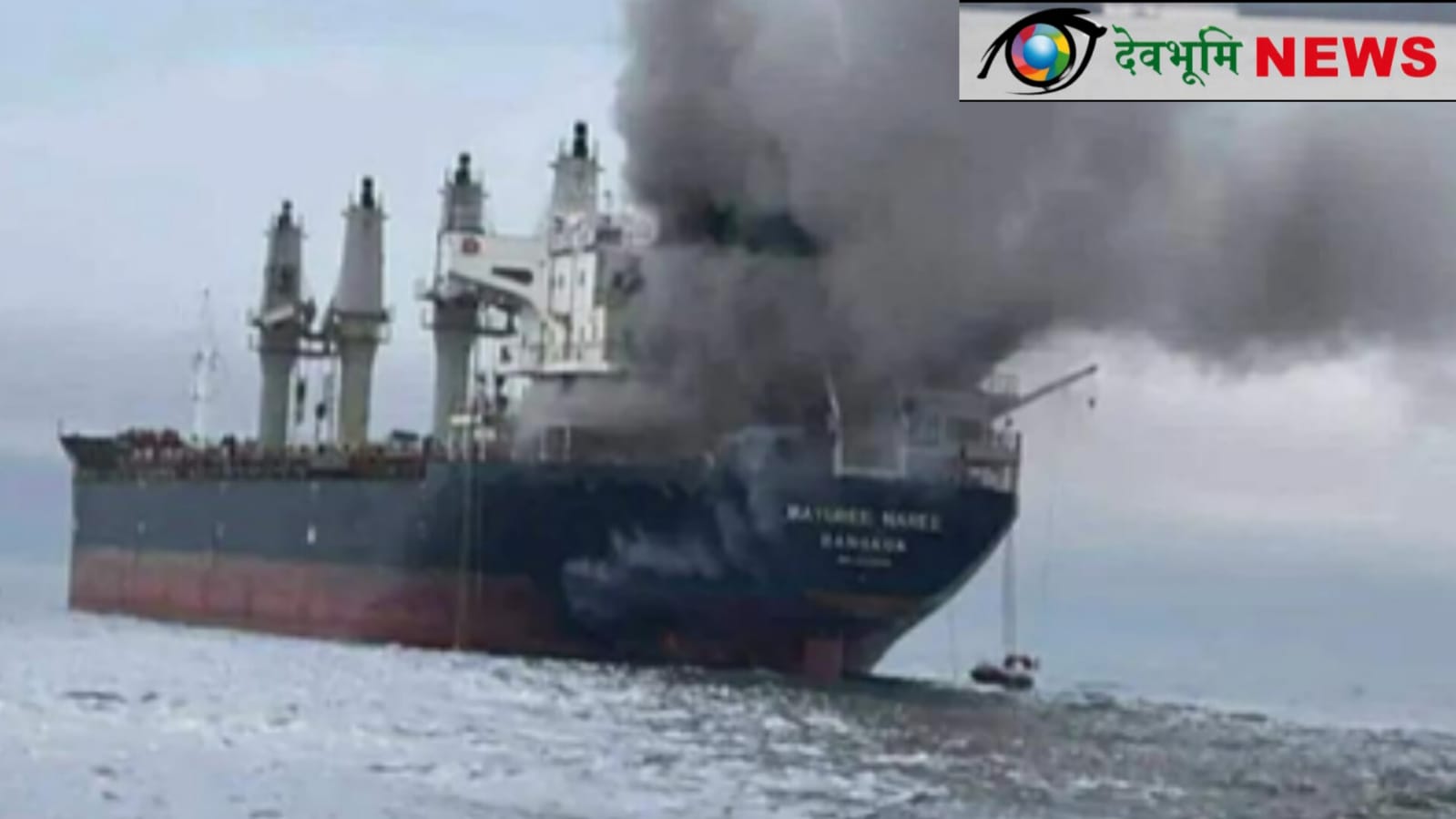
Fresh tensions have emerged in the Middle East after reports claimed that Iran launched multiple drones targeting commercial ships in the Strait of Hormuz, one of the world’s most critical maritime trade routes. The incident reportedly occurred just days after the United States and Iran reached a mutual peace agreement.
According to Israeli media reports, the drones were directed toward commercial ships navigating the Strait of Hormuz. U.S. military forces operating in the region allegedly intercepted the drones before they could pose a threat to maritime traffic or military assets. The reported attack has raised new concerns about regional stability despite ongoing diplomatic efforts between Washington and Tehran.
Strait of Hormuz Security Under Spotlight After Iran Drone Attack Reports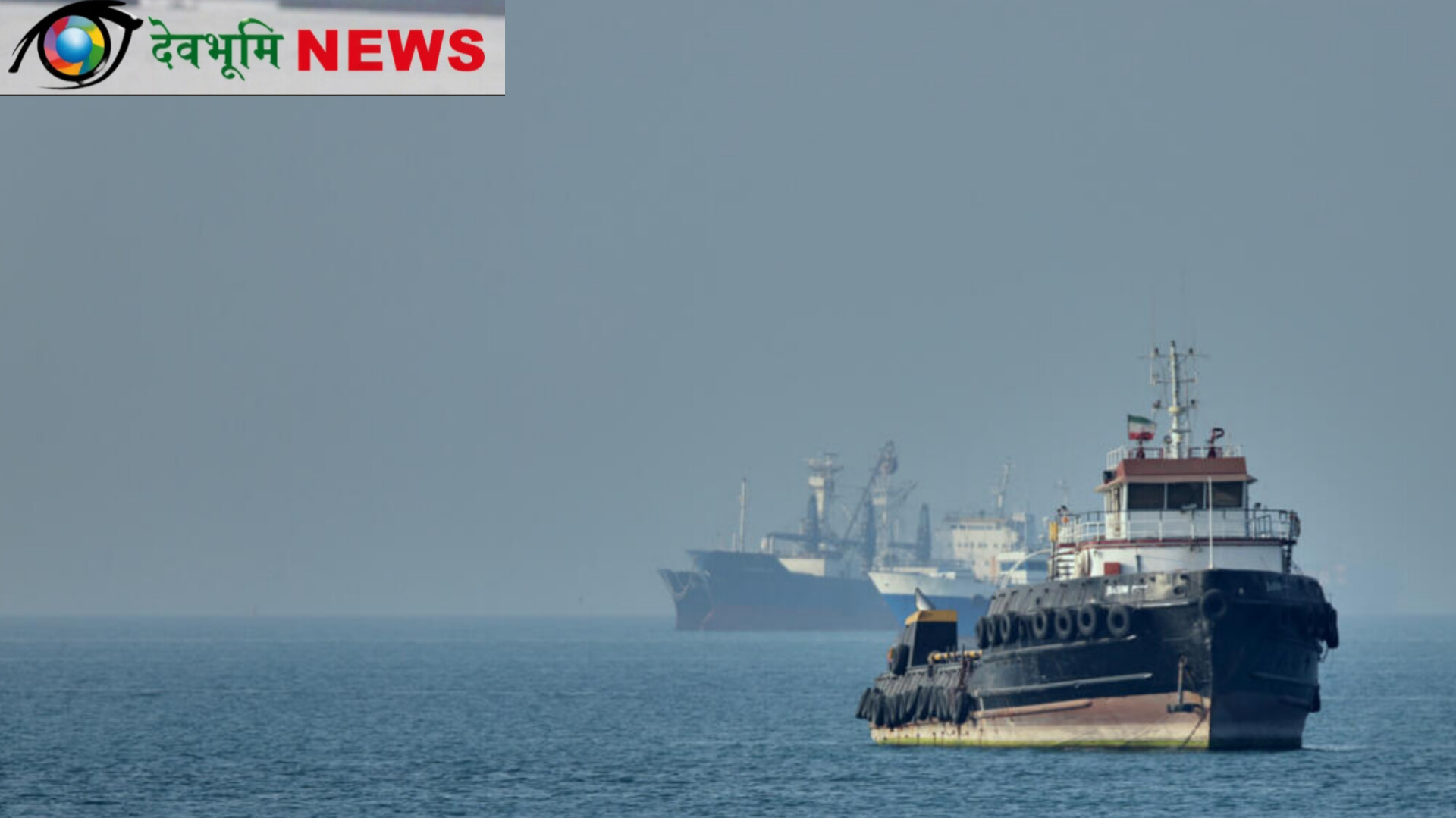
The Strait of Hormuz remains a strategic chokepoint for global energy markets, handling a significant share of the world’s oil and liquefied natural gas shipments. Any security threat in the region has immediate implications for international trade, shipping insurance costs, and global oil prices.
The reported Iran drone attack on commercial vessels has once again highlighted the vulnerability of maritime traffic in the Gulf region. Shipping companies and international maritime organizations continue to closely monitor developments as concerns grow over potential disruptions to commercial navigation.
US-Iran Deal Faces New Challenges After Strait of Hormuz Incident
The latest incident comes shortly after reports of a U.S.-Iran memorandum of understanding designed to reduce tensions and create a framework for future negotiations. The agreement reportedly includes provisions related to regional security, economic cooperation, sanctions discussions, and the reopening of key maritime routes.
The reported drone launches have raised questions about whether all parties remain committed to the peace process. While diplomatic channels remain active, military developments continue to create uncertainty regarding the long-term success of the agreement.
Political observers note that the timing of the reported drone activity is particularly significant because it follows a period of optimism surrounding diplomatic engagement between the United States and Iran.
US Military Intercepts Drones Targeting Commercial Ships
According to reports citing U.S. officials, American military forces successfully intercepted the drones before they reached commercial vessels in the Strait of Hormuz. The interceptions reportedly prevented damage to civilian shipping and helped maintain the flow of maritime traffic through the strategically important waterway.
U.S. Central Command has repeatedly emphasized its commitment to ensuring freedom of navigation in the Gulf region. The latest reported interception demonstrates the continued military presence of the United States in safeguarding international shipping lanes.
Impact of Iran Drone Activity on Global Oil Markets
The Strait of Hormuz is widely regarded as one of the most important energy corridors in the world. Any military escalation involving Iran, the United States, or regional actors has the potential to influence oil prices and investor sentiment.
Market participants are closely watching developments following reports of the drone launches. Energy traders remain concerned that repeated security incidents could affect tanker movements and increase transportation costs for oil and gas exports.
Middle East Geopolitical Risks Increase Despite Diplomatic Progress
The reported drone incident illustrates the complex security environment facing the Middle East. While diplomatic efforts have produced signs of progress between Washington and Tehran, military confrontations continue to pose challenges to long-term peace.
Regional governments, international organizations, and global powers are expected to monitor the situation closely. Many countries rely heavily on uninterrupted energy supplies passing through the Strait of Hormuz, making stability in the region a matter of global importance.
Experts suggest that confidence-building measures and direct communication channels between regional stakeholders may be necessary to prevent future incidents from escalating into larger confrontations.
International Reactions to Iran Strait of Hormuz Drone Reports
Governments across Europe, Asia, and the Gulf region are likely to assess the implications of the reported drone activity. International shipping operators and energy companies have already increased their focus on maritime security following previous incidents in the Gulf.
The international community has consistently called for restraint from all parties involved in Middle East conflicts. Diplomatic observers believe that preserving the momentum of ongoing negotiations will be critical to preventing a broader regional crisis.
Read more like this:
- NEET UG Re-Exam 2026: NTA की बड़ी चेतावनी, पेपर लीक की अफवाहों से रहें सावधान; अभिभावकों और छात्रों को दिया Scam Alert
- UGC NET Admit Card 2026 जारी, जानें परीक्षा की तारीखें और डाउनलोड करने का आसान तरीका
- उद्धव ठाकरे के सांसद दिल्ली पहुंचे, शिवसेना (यूबीटी) में नए विभाजन की अटकलें तेज- हर एक सांसद को 50 करोड़ का ऑफर
Future Outlook for US-Iran Relations and Strait of Hormuz Security
The future of U.S.-Iran relations remains uncertain as diplomatic engagement continues alongside military tensions. The reported drone launches serve as a reminder that significant obstacles remain despite recent efforts to reduce hostilities.
Security experts believe that maintaining safe passage through the Strait of Hormuz will remain a top priority for regional and international stakeholders. Continued military vigilance, diplomatic engagement, and international cooperation are expected to play key roles in preventing further escalation.
Conclusion: Iran Drone Reports Renew Focus on Strait of Hormuz Stability
The reported launch of Iranian drones targeting commercial vessels in the Strait of Hormuz has reignited concerns over regional security and global energy supply chains. Despite recent diplomatic progress between the United States and Iran, the incident highlights the fragile nature of peace efforts in the Middle East.
With the Strait of Hormuz serving as a critical artery for international commerce, any threat to maritime security carries worldwide implications.
Policymakers, military leaders, and market participants will continue monitoring the situation as the region navigates a delicate balance between diplomacy and conflict.