Join
Join
 Shorts

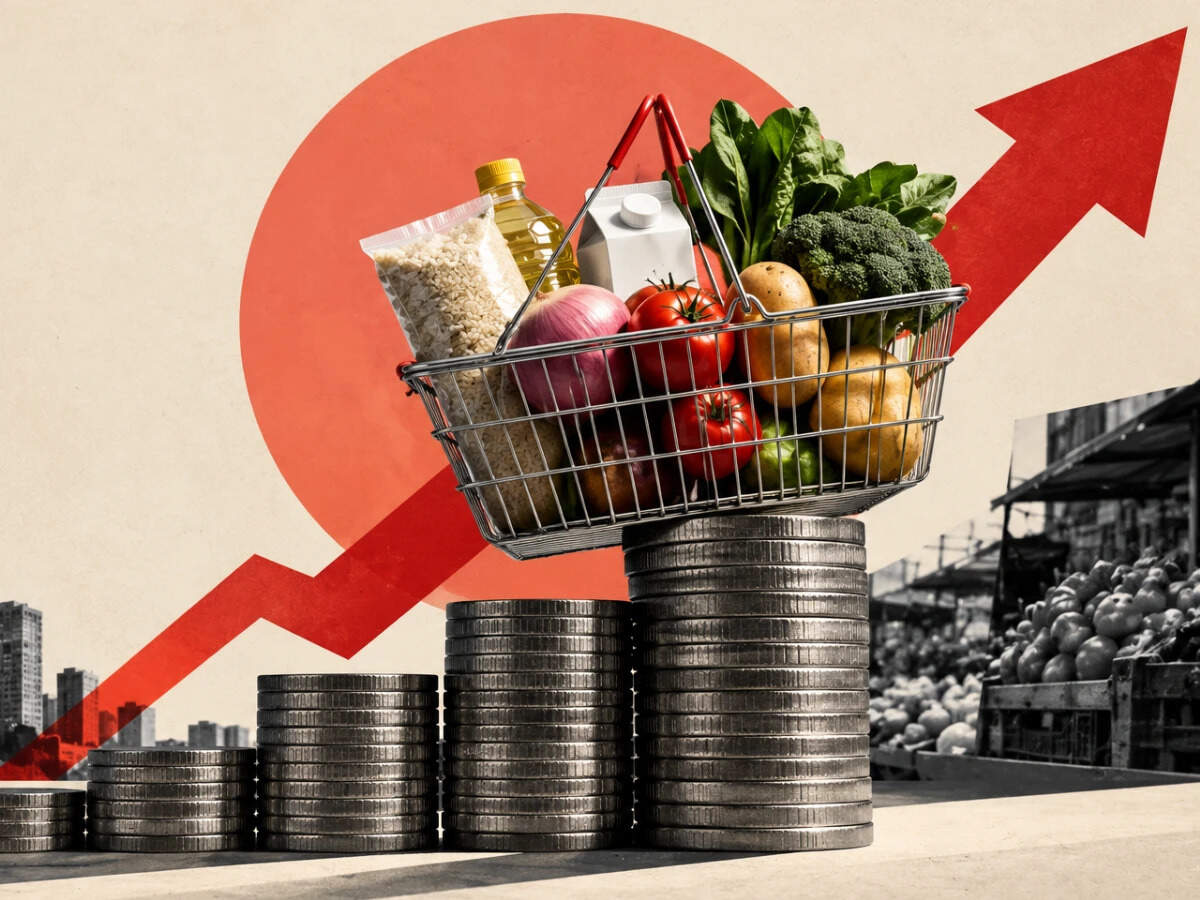
India’s retail inflation rose to 5.54% in September, exceeding market expectations and highlighting renewed pressure on household budgets. The increase in inflation has raised concerns about the cost of essential goods and services, while also creating challenges for policymakers seeking to maintain price stability and support economic growth.
Retail inflation, measured by the Consumer Price Index (CPI), tracks changes in the prices consumers pay for everyday items such as food, clothing, housing, transport and healthcare. When inflation rises, households need to spend more money to maintain the same standard of living.
Rising Prices Put Pressure on Household Budgets
The rise in retail inflation can have a significant impact on ordinary households, particularly those with limited incomes. Food and other essential expenses account for a substantial share of spending among many Indian families. Any increase in the prices of vegetables, cereals, cooking oil, milk and other necessities can put additional pressure on monthly budgets.
For lower- and middle-income households, higher prices often mean reducing discretionary spending, delaying purchases or cutting back on savings. Families may also find it more difficult to manage expenses related to education, healthcare, transportation and housing.
Inflation can also affect consumer confidence. When people expect prices to continue rising, they may become more cautious about spending on non-essential goods and services. This can influence demand across several sectors of the economy.
Food Prices Remain an Important Factor
Food inflation is one of the most important components of India’s retail inflation trend. Prices of essential food products can fluctuate because of weather conditions, seasonal changes, crop production, transportation costs and supply-chain disruptions.
Heavy rainfall, floods or prolonged dry spells can damage crops and reduce the availability of agricultural products. Similarly, disruptions in transportation and storage can increase the cost of bringing food from farms to markets.
When food prices rise, the impact is felt quickly by consumers. Vegetables, pulses, cereals and edible oils are particularly important because they are widely consumed across the country.
The government may respond to sharp price increases through measures such as improving market supplies, monitoring inventories, adjusting import duties or facilitating imports of essential commodities. However, the effectiveness of these steps depends on the nature and duration of the supply disruption.
What the Inflation Increase Means for the RBI
The rise in retail inflation is also important for the Reserve Bank of India (RBI), which is responsible for maintaining price stability while supporting sustainable economic growth.
The RBI uses monetary policy tools, including changes in the repo rate, to influence borrowing costs and overall demand in the economy. Higher interest rates generally make loans more expensive and can moderate spending and investment, helping to control demand-driven inflation.
However, monetary policy has limitations when inflation is caused primarily by food shortages or other supply-side factors. Increasing interest rates cannot immediately improve crop production or resolve transportation bottlenecks.
Therefore, the RBI must carefully assess whether higher inflation is temporary or likely to persist. It also considers core inflation, which excludes volatile food and fuel prices, along with economic growth, employment conditions and inflation expectations.
A sustained increase in inflation could make policymakers more cautious about reducing interest rates. This may affect borrowing costs for businesses and consumers, including people seeking home loans, vehicle loans and other forms of credit.
Impact on Economic Growth and Businesses
Higher inflation can affect businesses by increasing the cost of raw materials, transportation, energy and wages. Companies may pass some of these additional costs on to consumers, further contributing to price pressures.
At the same time, businesses may face weaker demand if consumers reduce spending because of rising living costs. Small businesses and retailers can be particularly vulnerable when operating expenses increase but customers become more price-sensitive.
Persistent inflation can also influence investment decisions. Businesses generally prefer a stable price environment because it helps them plan production, manage costs and make long-term financial decisions.
For the wider economy, the challenge is to control inflation without unnecessarily weakening consumption, investment and employment.
Read more like this:
- हिमंत बिस्वा सरमा की कांग्रेस को चुनौती, बोले— केरल, कर्नाटक और तेलंगाना की सरकारें दें इस्तीफा, तभी बैलेट पेपर से चुनाव को तैयार
- BIMSTEC Emerges as an Important Platform for Regional Integration, Economic Cooperation and Security: HM Amit Shah
Outlook: Inflation Remains a Key Concern
India’s retail inflation rising to 5.54% in September, above estimates, underlines the importance of monitoring price movements closely. The next direction of inflation will depend on food supplies, weather conditions, global commodity prices, energy costs and domestic demand.
Policymakers will need to balance measures aimed at controlling prices with efforts to sustain economic growth. Improving agricultural productivity, strengthening storage facilities, reducing supply-chain inefficiencies and ensuring adequate market supplies can help address some of the underlying causes of inflation.
For consumers, the immediate concern remains the cost of everyday necessities. For the government and the RBI, the priority will be to prevent temporary price pressures from becoming persistent.
Overall, September’s inflation reading serves as an important reminder that price stability is essential for protecting household purchasing power and maintaining confidence in the Indian economy. Future inflation data will help determine whether the latest increase is a temporary setback or the beginning of a more sustained period of price pressure.