Join
Join
 Shorts

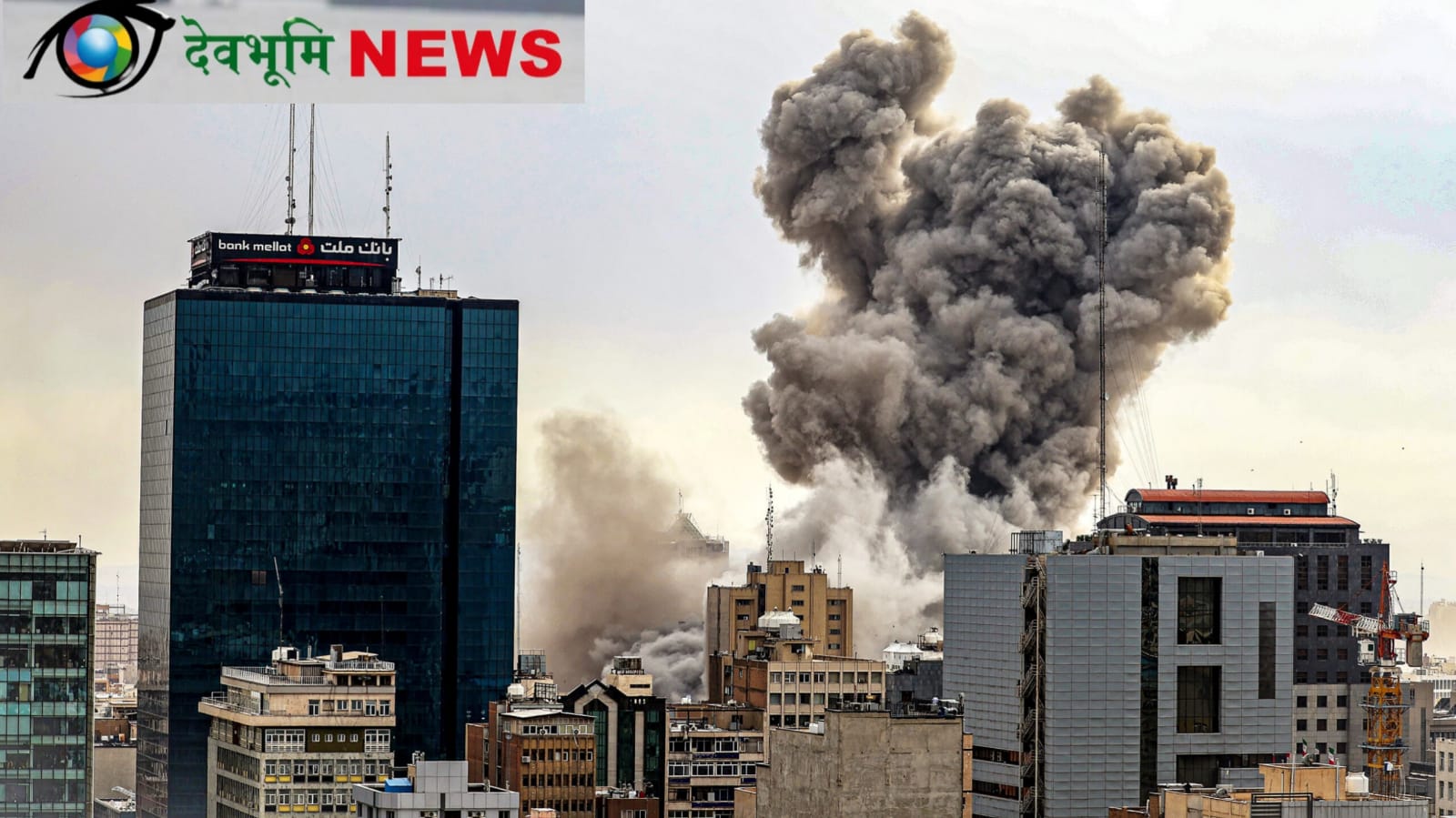
The US-Israel-Iran war has reached a key moment as talks to stop the conflict gain momentum.US President Donald Trump is reportedly looking at new ceasefire proposals while fighting continues in Iran, Israel, Lebanon, and around the crucial Strait of Hormuz. Most parties are willing to avoid a long war, but big disagreements remain over Iran’s nuclear program, the security of the region, and access to the Gulf’s waters.
The war has already shaken the Middle East, affected global oil prices, and worried world leaders about the possibility of a bigger war involving many countries in the region.The next few days are important to see if diplomacy can stop further fighting.
Trump is seeking a stronger ceasefire agreement with Iran
He is reportedly reviewing a proposed peace deal and wants more strict language on Iran’s nuclear activities and a promise that the crucial Strait of Hormuz will remain open for international shipping. Trump has said that Iran seems interested in a deal with the US, but he stressed that any agreement must protect American interests and ensure regional security. Officials say the US wants Iran to commit to limiting uranium enrichment and guaranteeing the free movement of ships.
The proposed plan includes a temporary pause in fighting, offering both sides time to negotiate a full agreement.However, analysts are cautious, warning that unresolved issues could stop the process.
The Strait of Hormuz is still the main issue in the Middle East crisis
The narrow waterway is responsible for a large part of the world’s oil, so keeping it safe is vital for global energy needs. Recent military moves near the strait have made shipping companies, traders, and governments around the world worried.
Trump officials say the Strait must remain open for international ships, while Iran wants to maintain control over shipping in the area.Discussions are focused on making sure ships can move freely without risk of future military clashes.
Uncertainty about the strait has already caused oil prices to change, showing how the conflict affects more than just the Middle East.Experts warn that if the situation continues, it could lead to bigger economic problems for countries that rely on Gulf oil.
Even though there are ceasefire talks, military actions have continued
American forces reportedly attacked Iranian radar sites and drone control centers after US officials accused Iran of attacking US assets in the region. The attacks are another step in a conflict that has tested the limits of any ceasefire.
Iran has criticized the attacks, saying the America broke the ceasefire
Iran insists that any deal must respect its rights and security concerns. Iranian leaders also want negotiations to happen on their terms, not under pressure.
Security experts say ongoing military activity increases the chance of mistakes, which could hurt efforts to reach a peace deal.
The situation remains very unstable, with both sides having strong military forces in the Gulf area.
The Middle East conflict has also spread to include Israel and Lebanon
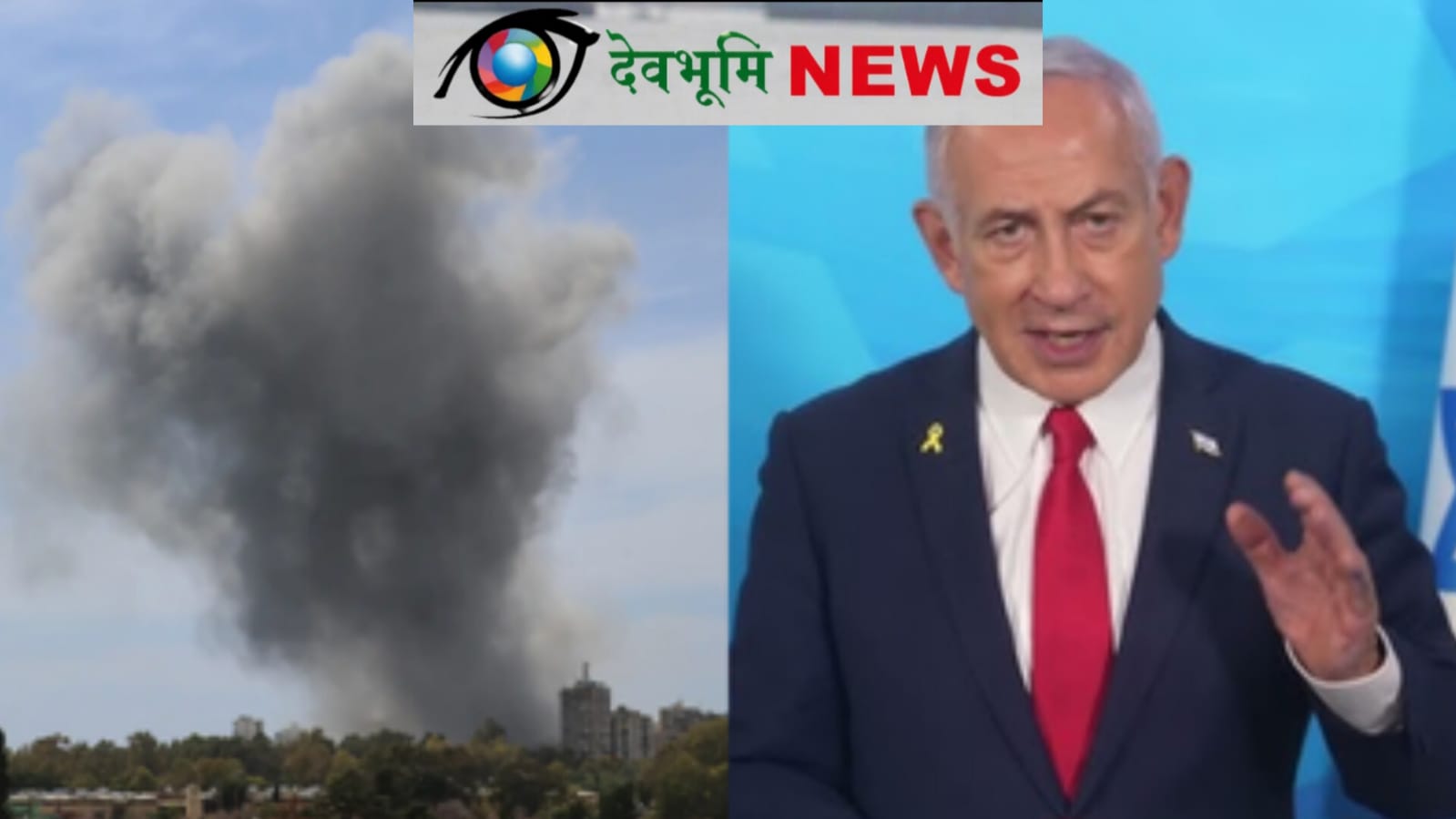
Israel has increased its military actions against Hezbollah in Lebanon, causing international concern and calls for restraint.This added fighting has made it harder to reach a deal between Iran and the America.
Many world leaders are worried that fighting on multiple fronts could make a lasting peace more difficult. Civilian suffering has also increased as military actions continue in these areas.
America has proposed new ceasefire ideas to reduce fighting between Israel and Lebanon, while continuing talks with Iran.These separate efforts show how connected the different security issues are in the region.
Read more like this..
- Rahul Gandhi Targets Centre Over CBSE OSM Row, Alleges ‘Fraud’ in Answer Sheet Scanning Process
- हरिद्वार में यात्रियों की बस का एक्सीडेंट, एक महिला की मौत और कई यात्री घायल
- RCB vs GT IPL 2026 Final : Virat Kohli Master Class Performance leads to RCB 2nd Consecutive IPL Trophy
The US-Israel-Iran war is a global concern
Financial markets are closely watching the situation, especially developments around the Strait of Hormuz, which is a vital shipping route.Governments in Europe, Asia, and the Middle East are pushing for diplomatic solutions.
Many fear that a long war could disrupt supply chains, raise fuel prices, and create new security threats.
International experts believe that successful talks could reduce tensions and bring back stability to the region.They also say achieving a lasting agreement will require agreements from all parties involved.
As talks move forward, the focus is on Trump’s decision on the proposed ceasefire extension.
Reports suggest that a plan involving a 60-day pause, renewed nuclear talks, and security guarantees for maritime routes is being considered.
The coming weeks will be Decider for the Region
While there is some diplomatic momentum, big challenges remain. Questions about Iran’s nuclear program, US military presence, Israel’s safety, and the future of the Strait of Hormuz are still important in the negotiations.
For now, the world is watching as leaders try to deal with one of the most complex geopolitical crises of 2026.
The results of these talks may change security in the Middle East and affect global politics for years to come.