Join
Join
 Shorts

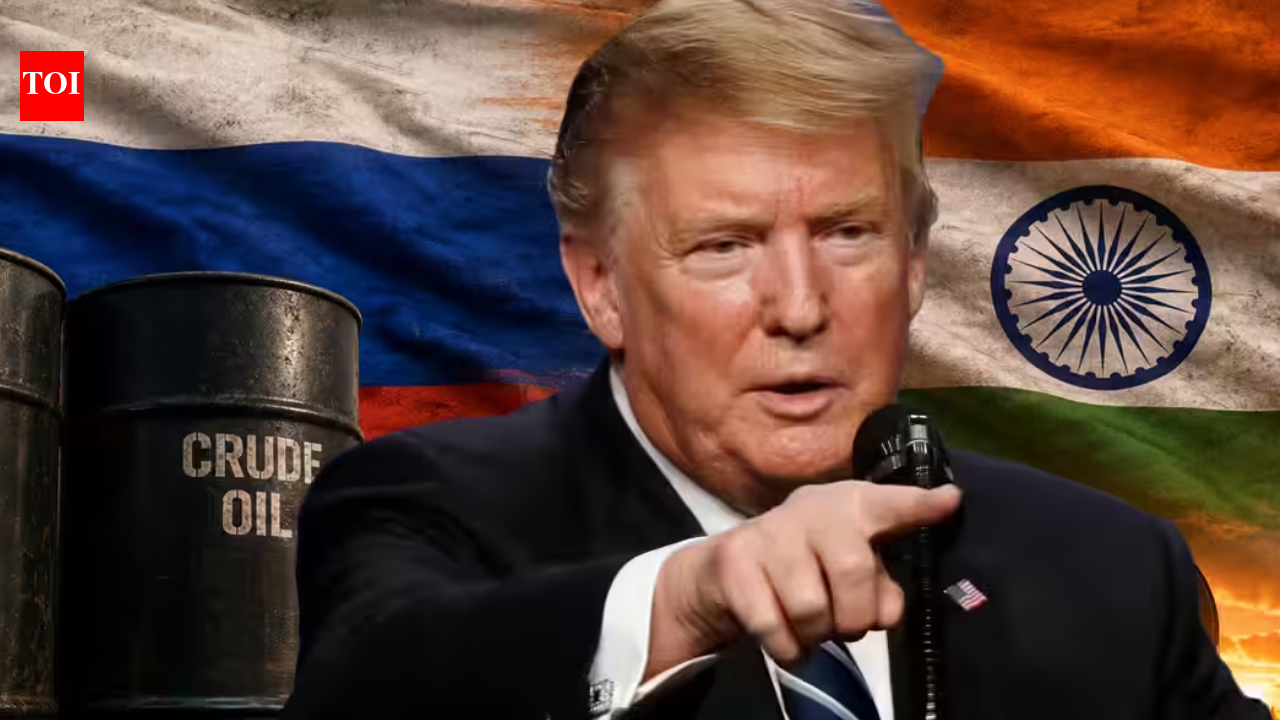
US President Donald Trump has signed a major Russia sanctions bill into law, expanding Washington’s ability to impose economic pressure on Moscow and countries that continue purchasing Russian oil and natural gas. The legislation, officially named the Lindsey O. Graham Sanctioning Russia and Iran Act of 2026, targets Russia’s energy and defence sectors, financial institutions, senior officials and the so-called “shadow fleet” of tankers used to transport oil while bypassing existing restrictions.
The law was signed by Trump on September 18, following its passage through both chambers of the US Congress. It represents one of the most significant recent legislative efforts to increase pressure on Russia over its continuing war in Ukraine.
Bill Passed with Bipartisan Support
The sanctions legislation received substantial support from lawmakers in both political parties. The US Senate passed the bill by a vote of 86–11, while the House of Representatives approved it by 262–159.
The bill was developed with the involvement of the late Republican Senator Lindsey Graham and Democratic Senator Richard Blumenthal. Following Graham’s death in July 2026, the legislation was named in his honour.
Supporters argue that the law could reduce Moscow’s financial capacity to continue its military campaign in Ukraine. They believe restrictions on energy revenues, banks and international trade networks could increase economic pressure on the Russian government and encourage negotiations.
Provision for Tariffs of Up to 100 Percent
One of the most consequential provisions of the new law gives the US president authority to impose tariffs of up to 100 percent on countries that continue purchasing significant quantities of Russian oil and natural gas.
The measure focuses on major importers of Russian energy, potentially including China and India. Under the legislation, countries that meet specified conditions could face additional duties on goods entering the United States.
However, the law does not mean that a 100 percent tariff has been automatically imposed on India or any other country. The Trump administration must determine how and when to apply the provisions. The legislation also includes certain exceptions and gives the president discretion in implementing or waiving sanctions under specified circumstances.
Why India Could Be Affected
India has remained one of the largest buyers of Russian crude oil. Russian energy supplies have played an important role in supporting India’s energy requirements and helping refiners manage international price pressures.
The new law could therefore create uncertainty for Indian exporters, energy companies and policymakers. If Washington imposes additional tariffs on Indian goods, Indian products entering the US market could become more expensive. This could affect sectors that depend heavily on American demand.
At the same time, the actual impact will depend on the decisions taken by the Trump administration, the criteria used to identify targeted countries and any diplomatic discussions between Washington and New Delhi.
India has repeatedly emphasised the importance of energy security for its large population. Any pressure to reduce Russian oil purchases could require adjustments in procurement strategies, refinery operations and international energy partnership.
Russia’s Energy and Defence Sectors Targeted
The law expands sanctions against Russian government officials, banks, oligarchs and organisations connected with the country’s defence and energy industries. It also targets networks accused of helping Russia avoid existing Western restrictions.
A major focus is Russia’s shadow tanker fleet. These vessels have been used to transport Russian oil through complex ownership structures and alternative shipping arrangements. Western governments have argued that such networks allow Moscow to continue earning revenue despite sanctions.
By targeting these vessels and related financial networks, the United States aims to make Russian energy exports more difficult and expensive. The effectiveness of these measures will depend on international cooperation and the ability of authorities to monitor shipping, insurance and financial transactions.
Political Debate in Washington
Although the bill passed with bipartisan support, it also generated criticism in Congress. Some Democratic lawmakers supported stronger measures against Russia but raised concerns about the broad tariff powers granted to the president.
Critics have argued that extensive tariff authority could increase costs for American consumers and businesses. They have also questioned whether the law gives the executive branch too much discretion over trade policy and the application of sanctions.
Supporters, however, maintain that stronger economic tools are necessary to pressure Russia and countries that continue to support its energy revenues. The debate reflects a wider disagreement in Washington over how aggressively the United States should use trade restrictions in foreign policy.
Wider Impact on Global Trade
The new law could have consequences beyond US-Russia relations. Countries purchasing Russian energy may face pressure to reconsider their trade relationships, while global energy markets could respond to any changes in supply patterns.
If major buyers reduce imports from Russia, they may need to seek alternative suppliers. Such a shift could influence crude oil prices, shipping costs, refinery margins and energy security in several regions.
At the same time, countries affected by possible US tariffs could seek diplomatic exemptions or develop alternative trading arrangements. The legislation therefore has the potential to influence both geopolitical negotiations and international commerce.
Read more like this:
- ममता बनर्जी ने TMC के नाम और चुनाव चिह्न फ्रीज करने के ECI के फैसले को सुप्रीम कोर्ट में दी चुनौती
- NEET-UG 2027: कंप्यूटर आधारित परीक्षा पर फैसला अभी विचाराधीन, केंद्र ने सुप्रीम कोर्ट को दी जानकारी
What Happens Next?
Trump’s signing of the bill provides the legal framework for expanded sanctions and possible tariffs, but the practical consequences will depend on how the administration implements the law.
India, China and other major Russian energy buyers will likely monitor Washington’s decisions closely. For New Delhi, the immediate priorities will include protecting energy security, assessing the impact on exports and maintaining communication with the United States.
The legislation marks a significant escalation in the economic pressure campaign against Russia. Its long-term effect will depend on enforcement, international cooperation, energy market responses and whether the measures influence Moscow’s approach to the war in Ukraine.