Join
Join
 Shorts

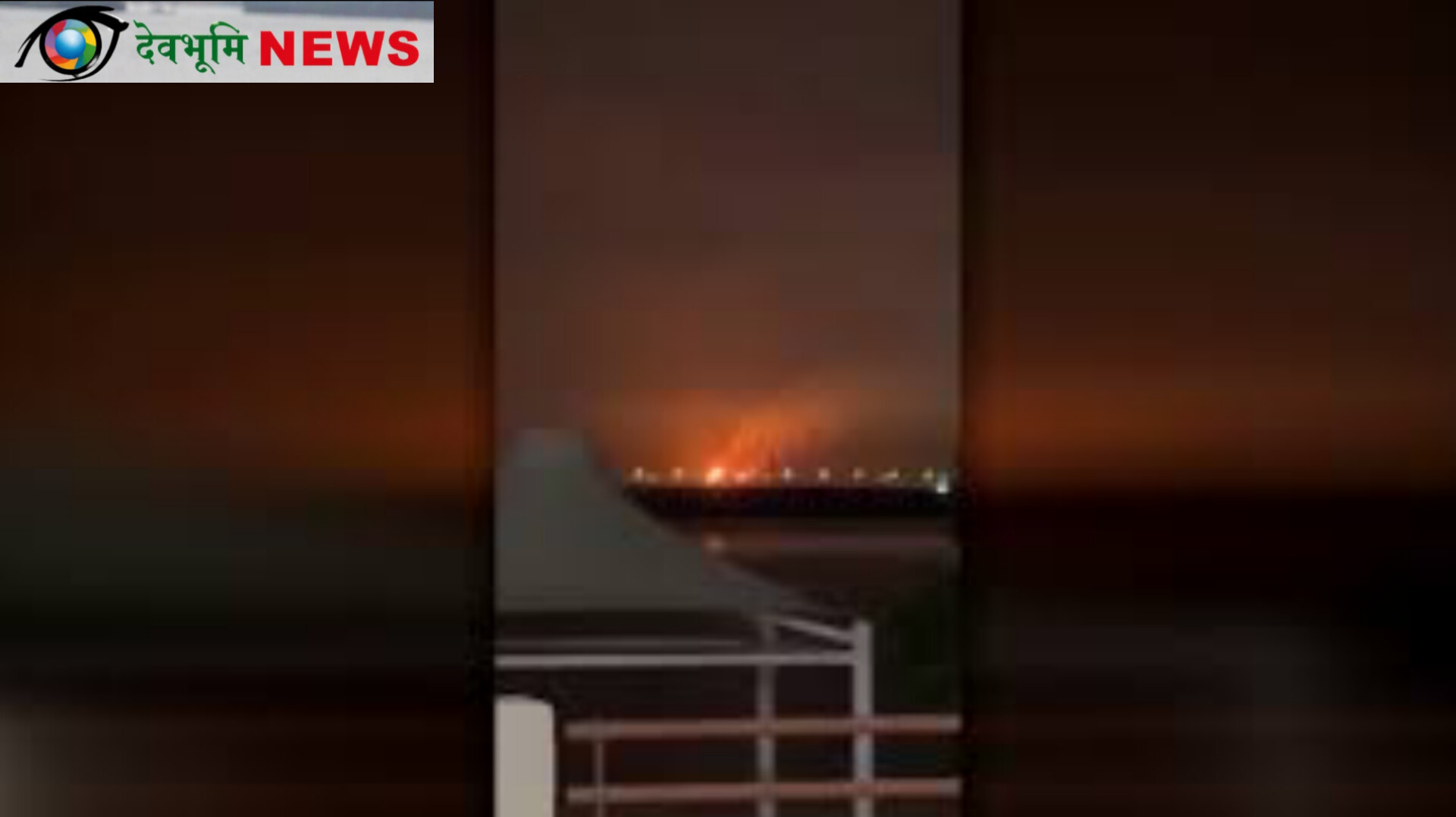
A devastating Qatar Ras Laffan blast has claimed the lives of 13 workers among which 12 were Indians and left 66 others injured following a major explosion at the Barzan gas processing facility inside the Ras Laffan Industrial City, one of the world’s largest liquefied natural gas (LNG) hubs.
Qatar authorities confirmed that the deadly explosion occurred during restart operations at the facility, triggering concerns across the global energy sector and raising questions about industrial safety standards.
The Ras Laffan Industrial City is the backbone of Qatar’s natural gas industry and plays a critical role in supplying LNG to international markets. The blast is being described as one of the deadliest gas industry accidents in more than two decades.
What Happened During the Qatar Ras Laffan Explosion?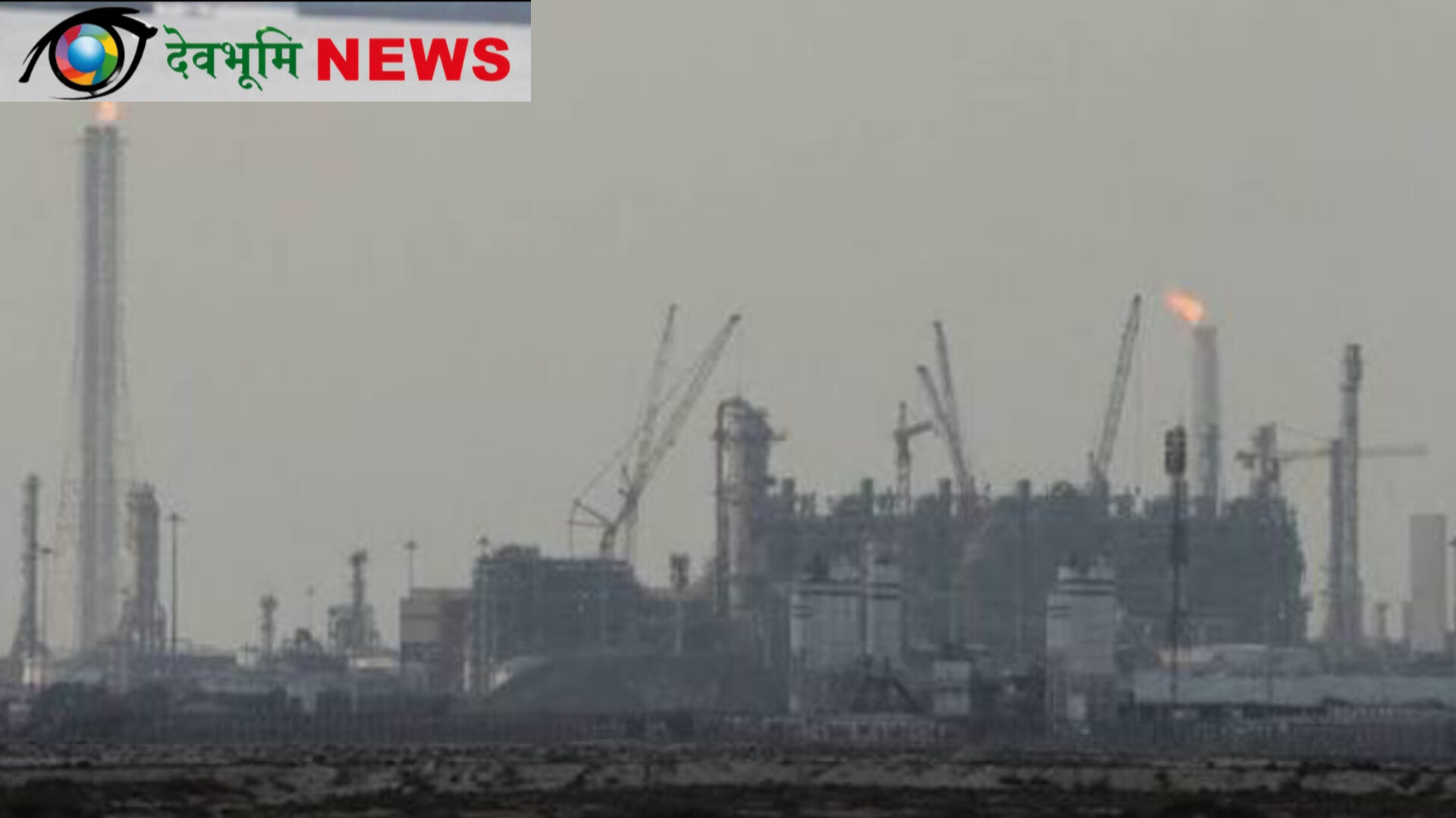
According to Qatar’s Energy Minister Saad Al-Kaabi, the explosion occurred at the Barzan gas processing facility during the restart of operations after a prolonged shutdown. Authorities stated that the incident was caused by a technical accident rather than sabotage or any hostile activity. Emergency response teams were immediately deployed to contain the fire and assist injured workers.
The facility had reportedly remained shut since late 2025 for urgent maintenance and had resumed operations only two days before the explosion occurred. Investigators are now examining the exact sequence of events that led to the deadly accident.
Witnesses reported hearing a massive boom, while videos circulating online showed a huge fireball rising above the industrial complex. The explosion quickly became one of the most significant industrial incidents in Qatar’s recent history.
Ras Laffan Industrial City: The Heart of Qatar’s LNG Industry
The Ras Laffan Industrial City is considered the centerpiece of Qatar’s energy infrastructure. Located on Qatar’s northeastern coast, the industrial complex processes massive volumes of natural gas and LNG for export worldwide.
Qatar remains among the world’s leading LNG exporters, making Ras Laffan a strategically vital facility for global energy markets.
The Barzan facility specifically supplies gas for domestic power generation and water desalination while also supporting export-related energy operations. Because of its strategic importance, any disruption at Ras Laffan attracts global attention from governments, energy traders, and investors.
Victims of the Qatar Ras Laffan Blast
The human cost of the Qatar Ras Laffan blast has been severe. Authorities confirmed that 13 workers lost their lives, while 66 others sustained injuries. Officials noted that none of the injured victims were reported to be in life-threatening condition.
Reports indicate that many of the victims were expatriate workers from South Asia. Multiple news outlets reported that 12 of the deceased were Indian nationals, prompting a response from the Indian government and diplomatic missions in Qatar.
The Indian Embassy has been coordinating with Qatari authorities to provide assistance to affected families and facilitate support for injured workers.
Investigation Into the Ras Laffan Explosion Underway
QatarEnergy has launched a comprehensive investigation into the cause of the Ras Laffan explosion. Officials stressed that preliminary findings point to a technical malfunction rather than any external attack or security breach.
Investigators are expected to review maintenance records, operational procedures, equipment performance, and restart protocols to determine how the incident occurred.
Impact of the Qatar Ras Laffan Blast on Global Energy Markets
The Qatar Ras Laffan blast has attracted international attention because Qatar is one of the world’s largest natural gas exporters. Any disruption at a major facility within the Ras Laffan complex has the potential to influence global LNG supply chains and energy prices.
Market analysts initially expressed concern about possible supply interruptions, particularly as global energy markets remain sensitive to geopolitical tensions in the Middle East.
Read more like this:
- Peddi Box Office Collection: 7 Huge Reasons Ram Charan’s Film Is Still Strong
- CM Dhami in Haridwar: हरिद्वार कुंभ 2027 को दिव्य और भव्य बनाने में जुटी सरकार, संत सम्मेलन में पहुंचे मुख्यमंत्री धामी
- UAE BrahMos Deal: दुनिया की सबसे तेज क्रूज़ मिसाइल BrahMos और Akashteer Air Defence System खरीदने में UAE की दिलचस्पी, भारत के लिए बड़ा रक्षा निर्यात अवसर
Recent Challenges Facing Qatar’s Energy Infrastructure
The Ras Laffan explosion comes at a time when Qatar’s energy sector has already been dealing with operational challenges. Earlier disruptions linked to regional tensions and attacks on energy infrastructure had affected portions of Qatar’s gas production network.
The latest incident adds further pressure on efforts to restore full operational capacity and maintain Qatar’s position as a reliable supplier of LNG to global markets. Industry observers will closely monitor recovery efforts and the outcome of the official investigation.
Conclusion: Qatar Ras Laffan Blast Raises Safety Concerns Across LNG Industry
The Qatar Ras Laffan blast that killed 13 workers and injured 66 others represents one of the most serious industrial accidents in the global natural gas sector in recent years. While authorities maintain that LNG exports remain secure, the tragedy has renewed attention on industrial safety, operational risk management, and worker protection within critical energy infrastructure.
As QatarEnergy continues its investigation, the global energy industry will be watching closely for answers. The findings may shape future safety protocols not only in Qatar but across LNG facilities worldwide.
For now, the focus remains on supporting the victims, assisting affected families, and ensuring that such a devastating accident does not happen again.