Join
Join
 Shorts

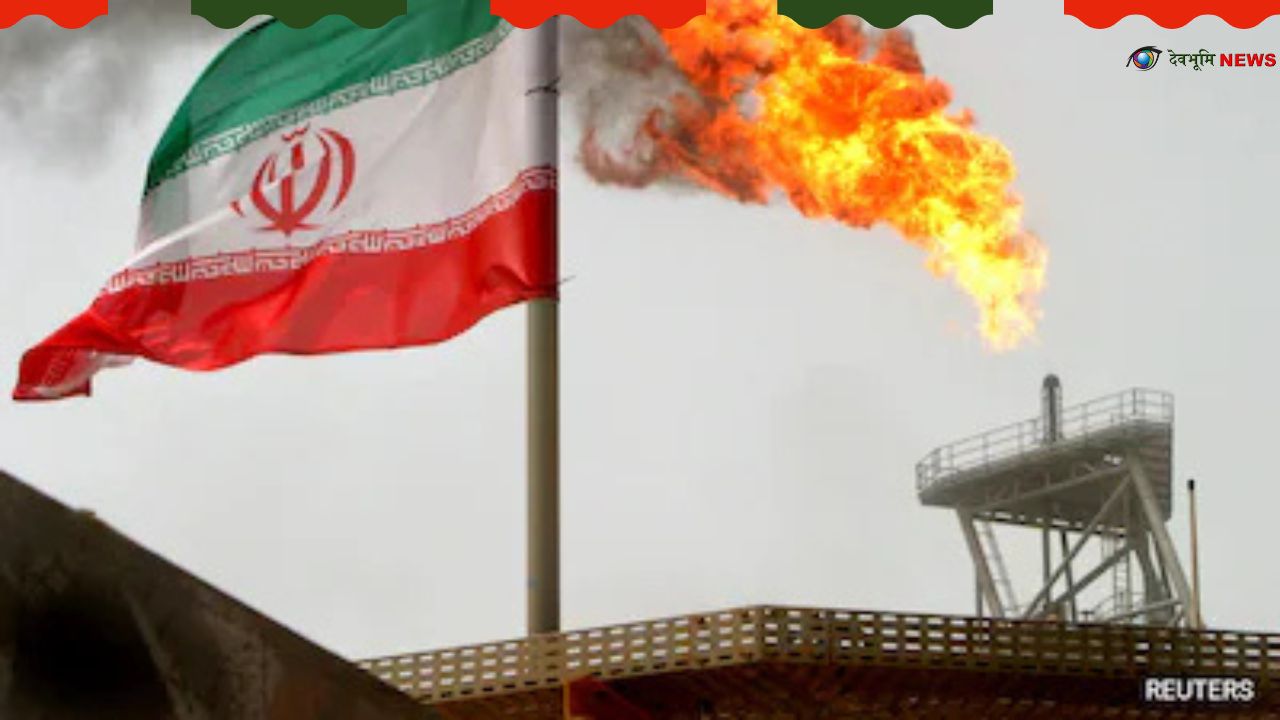
Oil Prices Surge Amid Fears of Prolonged Supply Disruption: The price of oil in the world jumped dramatically on Wednesday, fueled by growing fears of an extended disruption in supply triggered by the rising tensions over the Strait of Hormuz and the ongoing US occupation in Iranian ports.
Sharp Rise in Oil Benchmarks
US crude prices climbed by 6.95 percent, and settled at $106.88 each barrel. In the meantime, Brent crude — the benchmark for global prices rose 6.08 percent to reach $118.03 each barrel having briefly reaching the highest since June 2022.
The trend of upwards continued through Thursday and into Thursday, and Brent crude for the June delivery reaching $119.94 per barrel. US West Texas Intermediate futures reached $107.51.
Ongoing Conflict Fuels Market Uncertainty
The escalation occurs as the two-month-long US-Israeli conflict with Iran is not showing any signs of ending. Supply chains are severely interrupted, with the most severe disruptions occurring on the Strait of Hormuz, a crucial route for oil shipping around the world.
Iranian forces have been reported to have stopped vessels’ movements in the region. Meanwhile, it is reported that the United States has intensified its control over Iranian ports as well as shipping activities. This has raised fears of a lingering supply shortage in the world’s energy markets.
Trump Engages Oil Companies
According to an White House official, US President Donald Trump has recently had discussions with oil majors to discuss ways to lessen the effects of a blockade that could last for a long time.
The discussions focused on ensuring the stability of global oil markets while ensuring the least disruption possible to American consumers even if the blockade lasts for several months.
However, the news of these talks has upset markets, raising concerns that disruptions in supply could last longer than anticipated.
Economic Impact and Global Concerns
Market analysts say that prospects for a resolution in the near term remain uncertain. The instability that continues to plague the world is impacting economies across the globe, with a particular focus those in areas like Asia-Pacific area, which is dependent heavily upon Middle Eastern oil imports.
Rising oil prices contribute to higher fuel prices and a rise in the cost of basic goods, putting the pressure on both businesses as well as consumers.
UAE Resignation from OPEC Creates uncertainty
To add another layer of complexity In addition, adding another layer of complexity, the United Arab Emirates has announced it will be removing itself out of Organization of the Petroleum Exporting Countries (OPEC).
President Trump was pleased with the decision and praised UAE the president Mohamed bin Zayed Al Nahyan and indicating that the decision might eventually lead to a reduction in the cost of gasoline and oil.
However, experts remain wary and warn that the ongoing geopolitical tensions will make markets volatile in the near future.
Read More:
- US to Strike Iran Again: “Short and Powerful” Wave of Strikes Signals Escalation in US-Iran Conflict
- Starmer wins Commons vote on Mandelson inquiry but loses authority among own MPs
- Iran Attacks 3 Ships in Strait of Hormuz as Trump Extends Ceasefire Indefinitely
Conclusion:
Oil prices are continuing to rise sharply as geopolitical tensions intensify and global supply chains face serious disruptions. The ongoing conflict involving the Strait of Hormuz — one of the world’s most critical oil transit routes—has created uncertainty across energy markets, with no immediate resolution in sight. Blockades, military actions, and restrictions on shipping have significantly reduced the smooth flow of oil, pushing prices to multi-week highs.
As a result, countries that rely heavily on imported oil, especially across Asia and Europe, are beginning to feel the pressure. Higher crude prices are translating into increased fuel costs, rising transportation expenses, and more expensive everyday goods. This could further contribute to inflation and slow down economic growth globally.