Join
Join
 Shorts

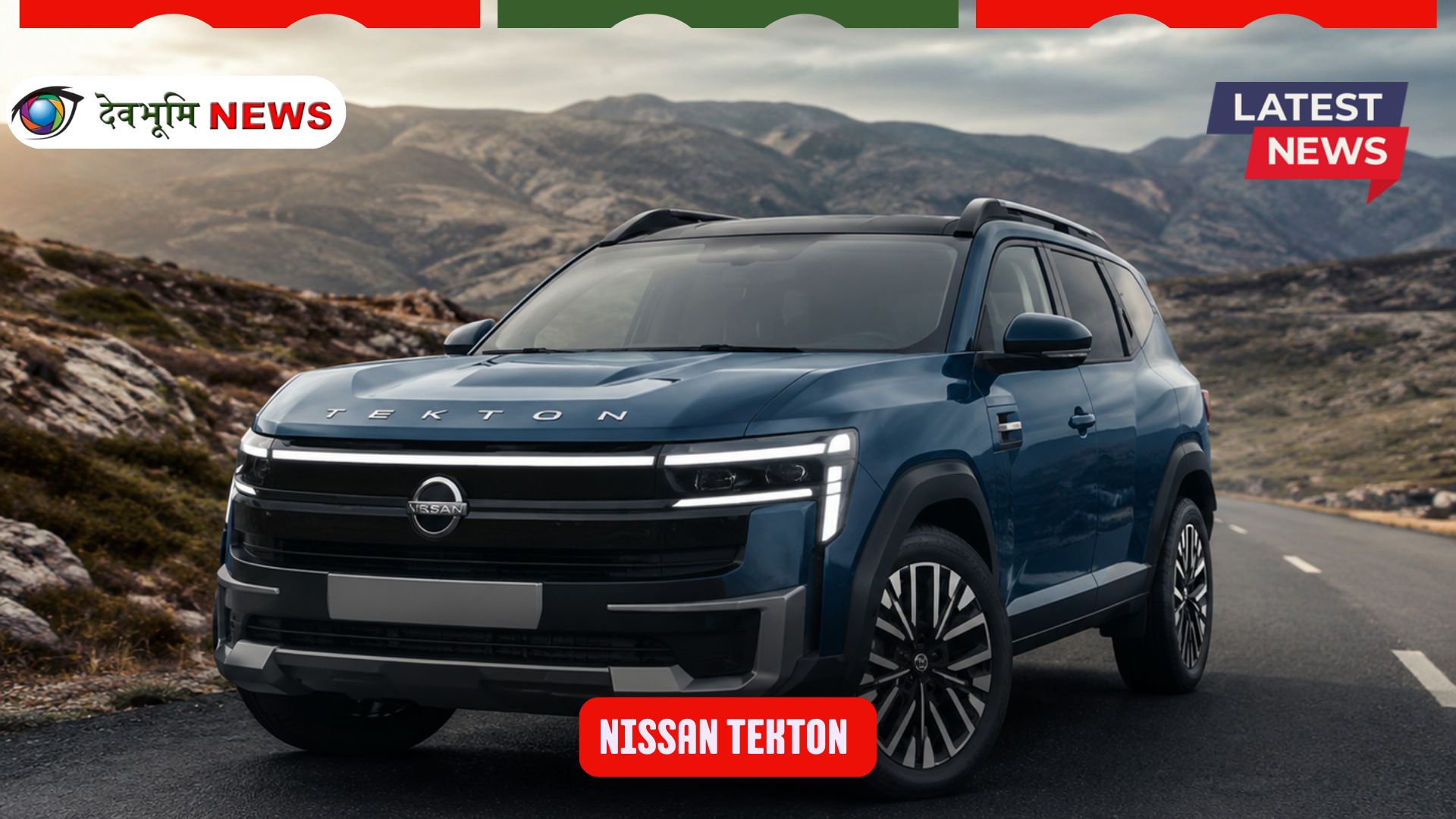
Nissan Tekton is shaping up to be one of the most important SUV reveals for Nissan India in years. The company has confirmed that the all-new Tekton will have its world premiere on July 9, 2026, and that alone makes this story worth watching closely.
For Nissan, the Tekton is not just another SUV. It is a comeback attempt in one of India’s most competitive segments. The midsize SUV market is basically a wrestling ring right now, with Hyundai Creta, Kia Seltos, Maruti Grand Vitara, Toyota Hyryder, Honda Elevate, and others fighting for space every month.
The Baby Patrol design hook
The Nissan Tekton has already earned attention because of its “Baby Patrol” styling connection. Reports suggest Nissan has drawn inspiration from the flagship Patrol SUV, especially for the front-end design. That is a smart move because the Patrol has global SUV credibility, and Indian buyers love a big-car attitude even when buying a practical family SUV.
Fresh spy shots and teaser details suggest the Tekton will carry a muscular front profile, bold grille treatment, strong shoulder lines, and SUV-like proportions. The rear design is also expected to be different from the Renault Duster, even though both models are likely to share some core engineering.
Platform and Duster connection
The Nissan Tekton is expected to share its platform and broad mechanical base with the new Renault Duster. This is not surprising, considering the Renault-Nissan alliance and the importance of cost sharing in today’s car industry.
Badge engineering can sound boring, but if done properly, it can work beautifully. Think of it like two chefs using the same kitchen. One makes butter chicken, the other makes biryani. The ingredients may overlap, but the final taste depends on execution.
Nissan’s job is to make the Tekton feel different enough from the Duster in design, cabin experience, features, and brand personality.
Expected engine and feature strategy
While Nissan has not revealed full specifications yet, the Nissan Tekton could borrow powertrain options from the Renault Duster family. Petrol engine choices are likely, and Nissan will need to make sure performance, fuel efficiency, and automatic transmission options match segment expectations.
Feature expectations will be high. Buyers in this segment now expect a large touchscreen, digital driver display, ventilated seats, sunroof, connected car tech, six airbags, and possibly ADAS features in higher variants.
In 2026, selling a midsize SUV without a strong feature list is like bringing a spoon to a sword fight.
Why Nissan needs the Tekton to work
The Nissan Tekton matters because Nissan India needs a stronger presence beyond the Magnite. The Magnite gave the brand visibility in the compact SUV market, but the midsize SUV space is where brand image, margins, and aspirational value can grow.
If the Tekton is priced aggressively and styled well, it could give Nissan a serious second pillar in India. If it feels too close to the Duster, buyers may simply compare discounts and walk away.
That is the danger. In India, the buyer remembers everything: price, features, service experience, and that one missing rear wiper from 2017.
Read More
- उत्तराखंड निहंग सिख विवाद: क्या है पूरा मामला, कैसे शुरू हुआ विवाद और कैसे शांत हुआ तनाव?
- US-Iran War Escalates Despite Ceasefire Efforts: Trump Warns Iran, Strait of Hormuz Tensions Keep Global Markets on Edge
- सुप्रीम कोर्ट का बड़ा फैसला: फ्लैट का कब्जा मिलने के बाद भी मुआवजा मांग सकते हैं होमबायर्स, बिल्डरों को नहीं मिलेगी राहत
Final thoughts
The Nissan Tekton has the right ingredients: a confirmed July 9 world premiere, rugged design inspiration, alliance-backed engineering, and a hot SUV segment waiting for fresh competition.
But ingredients are not the meal. Nissan must deliver the right variant mix, pricing, and showroom experience.
If Nissan gets it right, the Tekton could be more than a “Baby Patrol.” It could become the brand’s big comeback SUV for India.