Join
Join
 Shorts

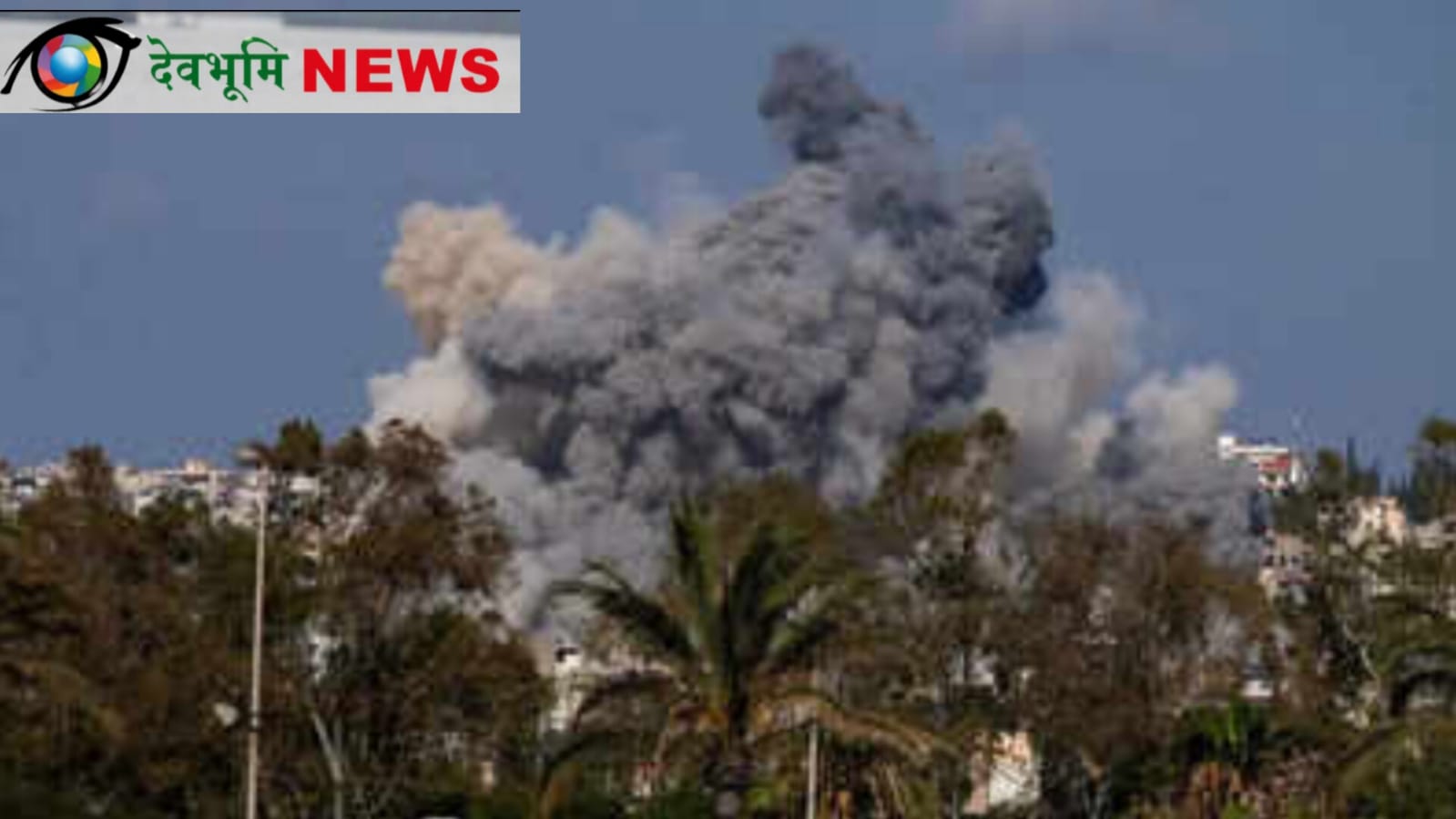
The conflict between the United States and Iran has entered another dangerous phase despite ongoing diplomatic efforts to preserve a fragile ceasefire. Fresh military strikes, accusations of ceasefire violations, and renewed tensions in the strategically important Strait of Hormuz have heightened fears of a wider regional conflict, while global energy markets continue to monitor developments closely.
US President Donald Trump has sharply criticized Iran over alleged violations of the ceasefire agreement, warning that further aggression would invite a strong military response.
US Launches Fresh Strikes After Hormuz Shipping Attack
The latest escalation followed an alleged Iranian drone attack on a commercial cargo vessel transiting the Strait of Hormuz, one of the world’s busiest oil shipping routes.
According to US Central Command, American forces carried out precision strikes targeting Iranian missile sites, drone storage facilities, and radar installations. Washington described the operation as a defensive response aimed at protecting international shipping and maintaining freedom of navigation through the Gulf.
Trump Issues Stern Warning to Tehran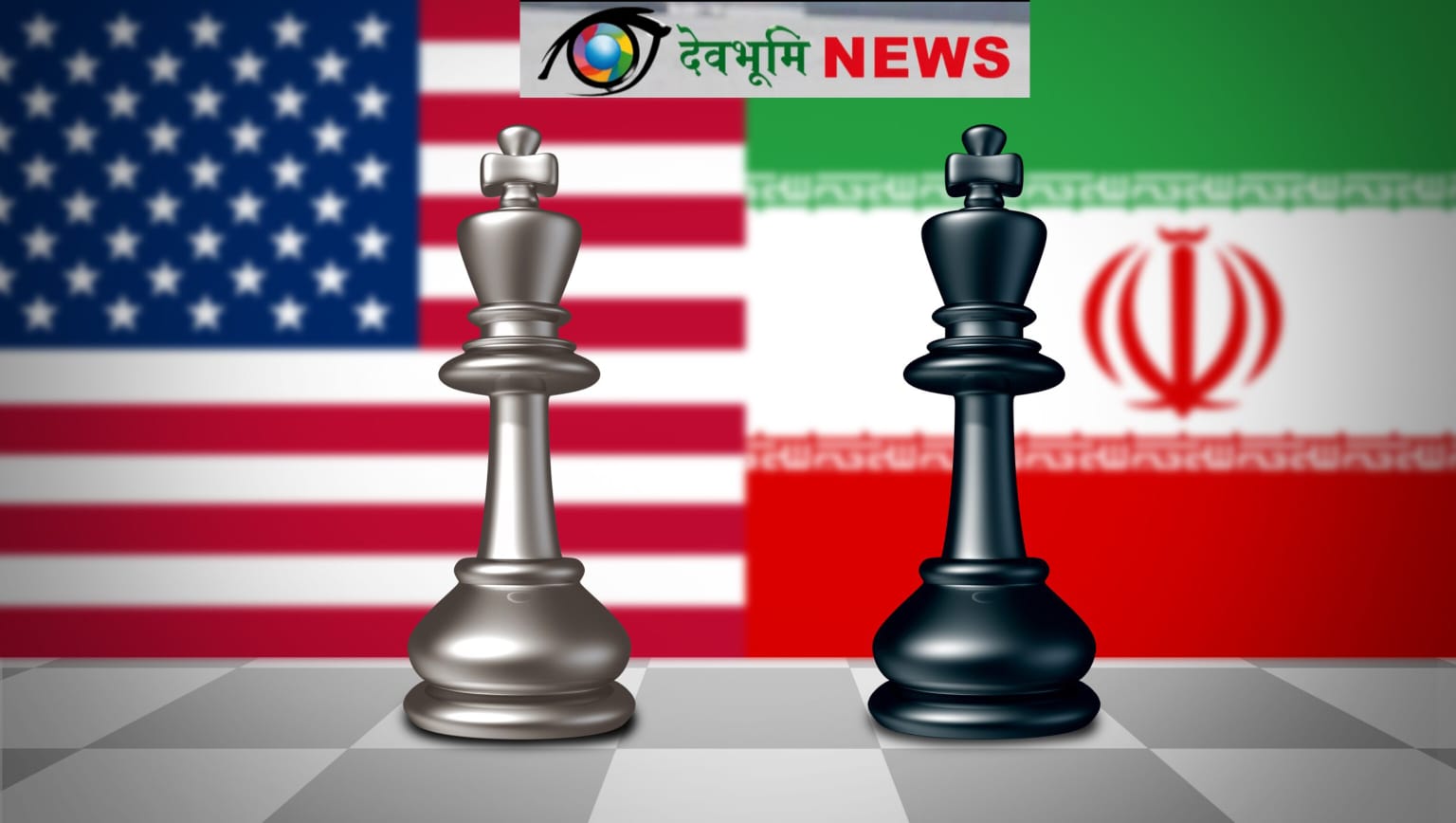
President Donald Trump described the reported attack on commercial shipping as a “foolish violation” of the ceasefire and vowed that the United States would respond decisively to any future aggression.
Vice President JD Vance also reaffirmed Washington’s position, stating that “violence will be met with violence” if Iran continues actions that threaten regional stability or international maritime traffic.
The White House has maintained that while diplomatic channels remain open, military action will continue whenever American personnel, allies, or commercial interests come under attack.
Strait of Hormuz Remains the Center of Global Concern
The Strait of Hormuz remains the focal point of the crisis due to its strategic importance for global energy supplies.Although shipping activity has gradually resumed following recent diplomatic understandings, security risks remain high. Several shipping companies continue to operate with extreme caution amid fears of drone attacks and naval confrontations.
Iran has insisted that it retains the right to regulate maritime traffic within its territorial waters, while the United States has reiterated that international shipping lanes must remain open and secure.
Israel-Lebanon Developments Add Another Layer to the Crisis
The regional situation has become more complicated following diplomatic efforts involving Israel and Lebanon.
Reports indicate that Israel and Lebanon have reached a preliminary framework aimed at reducing cross-border hostilities. However, Hezbollah has opposed certain provisions of the agreement, particularly those related to disarmament, raising concerns about its long-term implementation.
Analysts believe that stability along the Israel-Lebanon border remains closely linked to broader US-Iran relations, making any ceasefire particularly fragile.
Oil Prices React to Geopolitical Uncertainty
Despite renewed military activity, global crude oil prices have shown signs of easing as shipping operations through the Strait of Hormuz gradually recover.
Market participants remain cautious, however, as any significant disruption to Gulf shipping could once again trigger sharp increases in oil prices.
Energy analysts note that traders are balancing two competing factors: improved shipping access on one hand and the possibility of renewed military escalation on the other.
For major oil-importing countries, including India, China, Japan, and South Korea, developments in the Strait of Hormuz remain critically important due to their dependence on Gulf energy supplies.
Diplomatic Talks Continue Despite Rising Tensions
Even as military exchanges continue, diplomatic engagement has not completely collapsed.
Officials from both sides have indicated that negotiations on broader security arrangements and future nuclear discussions remain possible, although no fresh breakthrough has been announced.
International observers continue to encourage restraint, warning that prolonged conflict could destabilize the entire Middle East and significantly impact global trade routes.
Global Community Calls for Restraint
Governments across Europe, Asia, and the Gulf have urged both Washington and Tehran to avoid further escalation.
Security experts warn that continued military exchanges around the Strait of Hormuz could threaten one of the world’s most important maritime trade corridors, affecting not only oil exports but also global supply chains.
International organizations have also emphasized the need to protect civilian shipping and maintain uninterrupted commercial navigation through international waters.
Read more like this:
- सुप्रीम कोर्ट का बड़ा फैसला: फ्लैट का कब्जा मिलने के बाद भी मुआवजा मांग सकते हैं होमबायर्स, बिल्डरों को नहीं मिलेगी राहत
- NCB Report: ड्रोन ड्रग तस्करी से बढ़ा खतरा, भारत-पाक सीमा पर टेक्नोलॉजी आधारित स्मगलिंग में भारी उछाल
- राम मंदिर दान विवाद: नैतिक आधार पर चंपत राय ने दिया इस्तीफा -ट्रस्टी अनिल मिश्रा ने भी छोड़ा पद, जांच में 80 लाख बरामद
What Happens Next?
The coming days are expected to be crucial for determining whether the current ceasefire survives or collapses completely.
If diplomatic efforts succeed, negotiations could resume on broader regional security issues, maritime safety, and nuclear cooperation. However, further attacks by either side may push the conflict into another phase of direct military confrontation.
With both countries maintaining heightened military readiness, the possibility of additional retaliatory strikes cannot be ruled out.
Conclusion
The latest developments in the US-Iran conflict underscore how fragile the current ceasefire remains. Fresh US airstrikes, Iranian warnings, tensions surrounding the Strait of Hormuz, and uncertainty involving Israel and Hezbollah continue to keep the Middle East on edge.
While diplomatic channels remain open, the situation remains highly volatile. Global markets, energy producers, and governments are closely monitoring every development, aware that even a single incident in the Strait of Hormuz could have far-reaching consequences for international security, oil prices, and the global economy.