Join
Join
 Shorts


The National Eligibility cum Entrance Test (NEET) has once again become the focus of discussions after many students have called for clear information about the re-exam process.
For thousands of students across the country, this medical entrance exam is no longer just an academic challenge. It has turned into a complex emotional, financial, and psychological struggle involving surgeries, family expectations, travel expenses, and uncertainty about their future.
Students preparing for the NEET re-exam are dealing with multiple problems at once.
Some have postponed medical procedures, while others are managing rising coaching costs and intense pressure from their families. The confusion surrounding the examination system has deeply affected their lives. Reports show how these students are struggling on various fronts while trying to get into some of India’s best medical colleges.
Controversy around the NEET re-exam
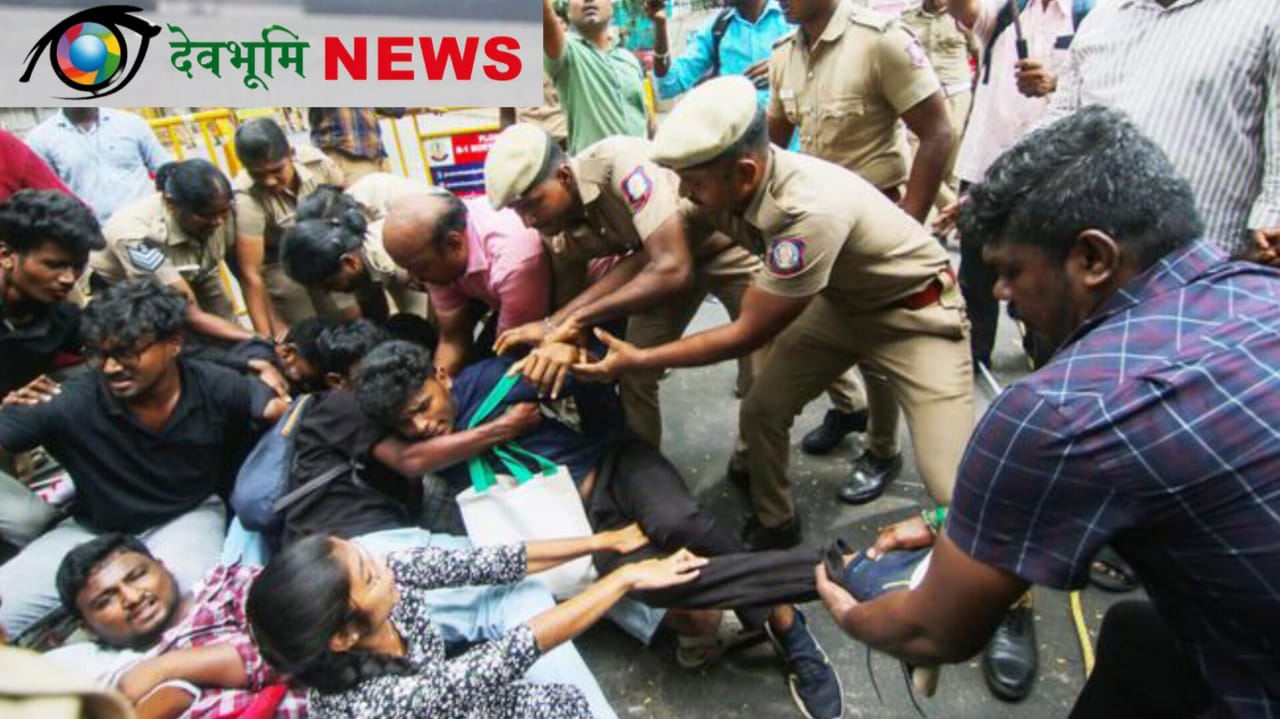
The controversy around the NEET re-exam has increased anxiety among students who have spent years preparing for one of India’s most difficult entrance exams.
Many of them have endured long study schedules, mock tests, and financial sacrifices before the announcement of possible retests and exam irregularities.
For those aiming to join government medical colleges, every mark is crucial.
The uncertainty around exam results, grace marks, and re-evaluation has caused immense stress. Aspirants say they are mentally exhausted because they can’t plan their future while waiting for official counseling and admission updates.
Middle Class Family Most Affected by NEET Re exam
The NEET retest issue has particularly affected students from middle-class and rural families.
These families have invested a lot of savings into coaching, hostel fees, travel, and study materials. Any delay or retest means higher expenses and increased emotional stress.
The financial impact of the NEET retest is one of the main concerns for students and their parents.
Coaching fees for NEET preparation often range from thousands to lakhs of rupees. Students who moved to cities like Kota, Delhi, Hyderabad, or Chennai for coaching are now facing rising living and accommodation costs.
Financial Challenge for Parents
Parents have reportedly taken loans, sold jewelry, or spent their savings to support their children’s medical dreams.
A retest means repeating travel, accommodation, and coaching expenses, adding more financial pressure. Many students from economically weaker backgrounds fear they may not be able to afford another year of preparation if the process gets delayed. The uncertainty has also affected students planning to join colleges abroad or switch to alternative degree programs.
Experts believe the NEET system needs to be more transparent and communicate updates quickly to reduce the extra financial stress on families.
Several NEET aspirants have delayed surgeries and medical treatments because they did not want to interrupt their study schedules.
Students with chronic illnesses, injuries, and mental health challenges say they continued studying despite severe discomfort.
Some candidates postponed surgeries after doctors recommended rest periods that clashed with their preparation schedules.
Others attended coaching classes while recovering from health issues.
Medical experts note that long-term stress and sleep deprivation can significantly affect physical and mental health.
Surgeries and recovery periods require proper rest and emotional stability.
The NEET retest situation has worsened these health concerns because students now fear losing another academic year.
They feel stuck between taking care of their health and securing their future careers.
Family Pressure and Expectations
Familial pressure remains one of the toughest aspects of NEET preparation.
In many households, becoming a doctor is seen as a prestigious career goal, leading to high expectations from students.
Aspirants often face constant comparisons with peers, relatives, and top performers.
Some report feeling guilty for not meeting family expectations despite years of hard work and dedication.
Mental health professionals warn that excessive academic pressure can lead to anxiety, depression, burnout, and emotional isolation.
Students preparing for the NEET retest say they struggle with the fear of failure because their families have invested emotionally and financially in their success.
Social Stigma of Non Clearing of NEET
The social stigma attached to not clearing NEET also adds to emotional pressure.
Many students avoid social events or interactions because they fear being asked about their results or admission status.
The uncertainty around the NEET retest has disrupted academic planning for thousands of aspirants.
Students are unable to finalize college admissions, relocate to campuses, or consider alternative academic paths while waiting for updates.
Many aspirants had already prepared documents for counseling and medical admissions.
However, repeated legal changes and policy shifts have created confusion about merit lists and seat allocations.
What does Education Expert Says ?
Education experts say that prolonged uncertainty can harm students’ confidence and motivation.
They stress the need for efficient examination systems that ensure fairness without causing long-term psychological stress.
The NEET exam is a key gateway to medical education in India, and any irregularity has nationwide consequences.
Transparent processes and quick dispute resolution are essential to restore trust among students and parents.
The mental health impact of the NEET retest controversy cannot be ignored.
Students preparing for highly competitive exams already face significant pressure, and the additional uncertainty increases emotional exhaustion.
Many aspirants follow rigorous study schedules that last 10 to 12 hours daily.
Combined with sleep deprivation, social isolation, and exam anxiety, this creates a high-risk environment for stress-related disorders.
Psychologists recommend maintaining a balanced routine, seeking emotional support, and avoiding excessive comparison with others.
Parents are also advised to create supportive environments and not focus solely on ranks and scores.
Read more like this:
- मुलायम सिंह यादव के छोटे बेटे PRATEEK YADAV की अस्थियां हरिद्वार में विसर्जित, घाट पर भावुक माहौल
- ₹182 करोड़ की पहली कैप्टागॉन ड्रग खेप जब्त: भारत ने अंतरराष्ट्रीय नार्कोटिक्स नेटवर्क पर कसा शिकंजा
- Trump Returns to Washington After Beijing Summit With Few Clear Wins
Big Challenge for Educational Centre and Coaching Centre
Educational institutions and coaching centers are increasingly being urged to offer counseling and mental wellness programs for students dealing with exam stress.
The ongoing debate about the NEET retest has reignited discussions about examination reforms in India.
Students and education experts are calling for stronger security measures, faster grievance resolution systems, and clear communication from authorities.
Aspirants believe that the examination bodies must ensure fairness without causing disruptions to their lives.
Delays and inconsistent updates create confusion that affects academic performance and mental well-being.
Education policy analysts also emphasize the need for resilient systems capable of handling large-scale exams involving millions of candidates.
The credibility of national entrance exams depends on transparency, accountability, and student trust.
Without these elements, controversies can severely affect the future of deserving candidates.
Conclusion -NEET Re -exam Analysis
In conclusion, the NEET re- exam controversy has highlighted the immense emotional, financial, and physical burden faced by medical aspirants across India.
Behind every examination form is a student dealing with personal challenges, family expectations, financial sacrifices, and uncertainty about the future.
For many aspirants, the challenge is no longer limited to solving questions in biology, chemistry, and physics.
It’s about managing anxiety, recovering from health issues, supporting family hopes, and staying motivated amid constant uncertainty.
As India continues to discuss examination reforms and fairness, the voices of students must remain at the center of these discussions.
Aspirants deserve a transparent process, as well as empathy, stability, and support while pursuing their dreams of becoming doctors.