Join
Join
 Shorts

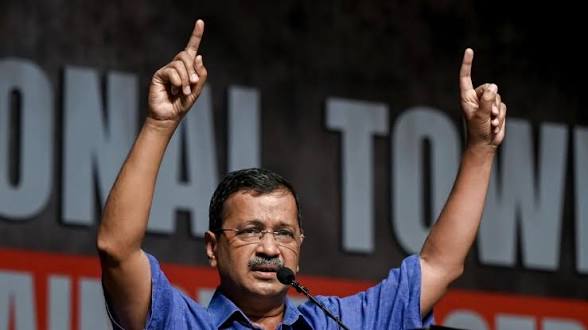
Aam Aadmi Party (AAP) national convenor Arvind Kejriwal began his protest march towards the Prime Minister’s residence despite warnings issued by Delhi Police. The demonstration, organised as part of the party’s E20 protest campaign, witnessed the participation of party leaders, workers, and supporters who gathered in large numbers across the national capital.
The march attracted significant attention as authorities increased security arrangements and monitored the situation closely.
Police Issue Warning Ahead of March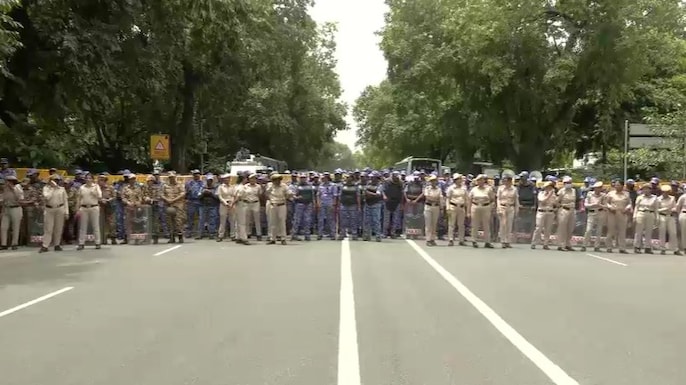
Before the protest commenced, Delhi Police appealed to organisers to follow legal procedures and comply with restrictions imposed in sensitive areas of the city.
Authorities warned that attempting to enter prohibited zones or violating public order regulations could invite legal action. Security personnel were deployed at key locations, and barricades were installed along major routes leading to the Prime Minister’s residence.
Officials urged protesters to maintain peace throughout the demonstration.
Heavy Security Across Central Delhi
Central Delhi witnessed heightened security as thousands of police personnel were deployed to manage the protest.
Barricades, traffic diversions, and additional security checkpoints were put in place to prevent any untoward incidents. Rapid Action Force personnel and other security agencies also remained on standby to assist local police if required.
Traffic movement in several areas was affected due to the large gathering of protesters and enhanced security arrangements.
AAP Leaders Join the Demonstration
Several senior AAP leaders joined Arvind Kejriwal during the protest march, expressing support for the party’s campaign.
Addressing supporters, party leaders reiterated their demands and urged the government to respond through dialogue. Protesters carried banners and raised slogans as they marched under the supervision of security personnel.
The organisers appealed to participants to ensure that the demonstration remained peaceful.
Administration Closely Monitors Situation
The Delhi administration continued to monitor developments throughout the protest.
Senior police officials remained present at key locations to coordinate security measures and respond quickly to any change in the situation. Authorities maintained communication with protest organisers while ensuring that law and order was not disrupted.
Officials stated that appropriate action would be taken if any violations of legal restrictions were reported.
Political Reactions Emerge
The protest triggered reactions from leaders across the political spectrum.
Supporters of the march described it as a democratic exercise aimed at highlighting public concerns, while critics questioned the timing and necessity of the demonstration. Political observers believe the protest could become an important issue in the ongoing political discourse.
The developments have attracted widespread attention from both national media and the public.
Peaceful Protest Emphasised
Despite the warnings issued by the police, AAP leaders repeatedly appealed to supporters to maintain discipline and avoid any confrontation with security personnel.
The party stated that its objective was to express its demands peacefully while respecting democratic values. Police also appealed to protesters to cooperate with authorities to ensure public safety and smooth traffic management.
Read more like this :
What Happens Next
As the protest continues, authorities are expected to closely monitor the situation and review compliance with security restrictions.
Any further developments, including discussions between protest leaders and the administration or any legal action arising from the march, are likely to shape the next phase of the demonstration. Meanwhile, security arrangements across central Delhi are expected to remain in place until the protest concludes.