Join
 Shorts

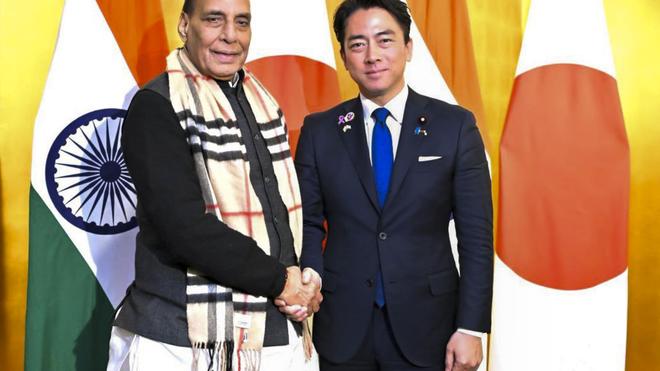
India and Japan have taken a significant step towards strengthening their defence and strategic partnership. In a historic development, India has agreed to allow them Japan’s Self-Defence Forces (JSDF) to use Indian military firing ranges for live-fire training for the first time. The decision marks an important expansion of military cooperation between the two countries and reflects their growing strategic convergence in the Indo-Pacific region.
The agreement was announced on November 19, 2026, following high-level discussions between Indian and Japanese leaders in Tokyo. It is expected to open a new chapter in defence cooperation, military preparedness and technological collaboration between the two democratic nations.
1. What Is the New Agreement?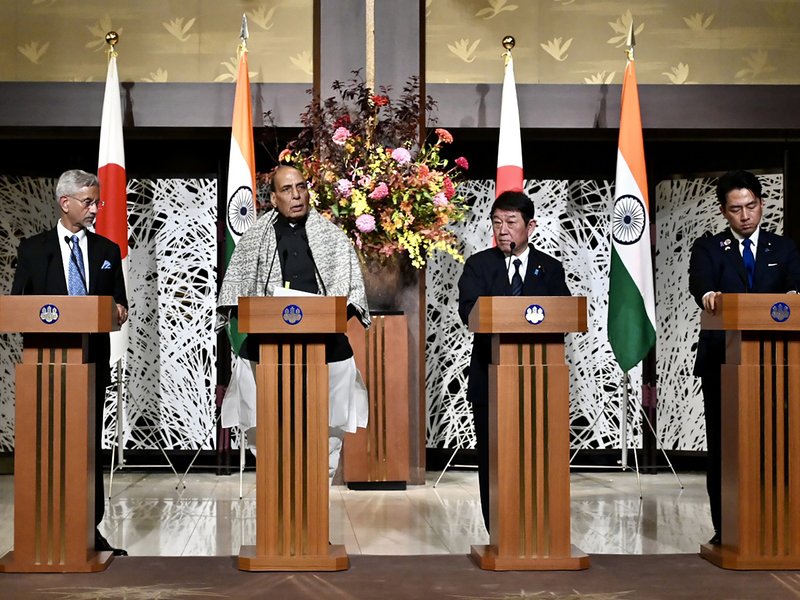
India and Japan have signed a Letter of Intent (LoI) concerning the use of Indian firing ranges by Japanese military personnel.
Under this arrangement, Japan’s Self-Defence Forces will be able to conduct live-fire training at selected facilities in India. The exercises are expected to include the use of surface-to-ship missiles.
This is particularly significant because Japanese forces will be conducting such live-fire training on Indian soil for the first time.
Defence Minister Rajnath Singh welcomed the signing of the Letter of Intent during his meeting with Japanese Defence Minister Shinjiro Koizumi. Both sides agreed to accelerate coordination between their defence authorities to implement the arrangement.
2. Significance of the India-Japan 2+2 Dialogue
The announcement came during the India-Japan 2+2 Foreign and Defence Ministerial Dialogue held in Tokyo.
The Indian delegation included Defence Minister Rajnath Singh and External Affairs Minister S. Jaishankar. Japan was represented by its Foreign Minister Toshimitsu Motegi and Defence Minister Shinjiro Koizumi.
The 2+2 dialogue provides an important platform for discussing regional security, defence cooperation, maritime challenges and strategic interests.
The latest meeting demonstrated that India-Japan relations are moving beyond diplomatic engagement and economic cooperation towards deeper military and technological coordination.
3. Why Does Japan Need Indian Firing Ranges?
Japan has been steadily strengthening its defence capabilities in response to the changing security environment in the Indo-Pacific.
Growing tensions in the East China Sea, developments around Taiwan and increasing maritime competition have encouraged Tokyo to improve its military preparedness.
Access to Indian firing ranges will provide Japanese forces with additional opportunities for realistic training and operational familiarisation.
It will also help Japan diversify its training arrangements through cooperation with a trusted strategic partner.
For India, the arrangement offers an opportunity to strengthen military engagement with Japan and expand its role in regional security cooperation.
4. Importance of Surface-to-Ship Missile Training
One of the most important aspects of the agreement is the proposed training involving surface-to-ship missiles.
Such missiles are designed to target enemy naval vessels from land-based or other surface platforms, depending on the system involved. They play an important role in maritime deterrence and coastal defence.
The ability to conduct live-fire exercises allows military personnel to develop practical experience in handling weapons systems, evaluating their performance and improving operational coordination.
For both countries, cooperation in this field could contribute to stronger maritime security and improved preparedness in the Indo-Pacific
Read more like this:
- ‘भूख इतनी है, पेट भरता ही नहीं’, टैक्स कटौती के बावजूद नौकरियों की कमी और कम सैलरी पर PM मोदी ने उद्योगपतियों को लगाई फटकार
- चक्रवाती तूफान ‘अकवान’ LIVE: ओडिशा के तटीय जिलों में समुद्र में उठीं ऊंची लहरें, तेज हवाओं के बीच लैंडफॉल की प्रक्रिया शुरू.
5. Strengthening Maritime Security in the Indo-Pacific
The Indo-Pacific has become one of the most strategically important regions in the world.
It connects major international trade routes, energy supplies and important maritime passages. However, rising geopolitical competition, territorial disputes and military activities have created new security challenges.
India and Japan share an interest in maintaining a free, open, peaceful and rules-based Indo-Pacific.
Both countries are concerned about the security of international sea lanes and the growing importance of maritime domain awareness.
Greater defence cooperation, joint exercises and information sharing can help them respond more effectively to emerging regional challenges.