Join
Join
 Shorts

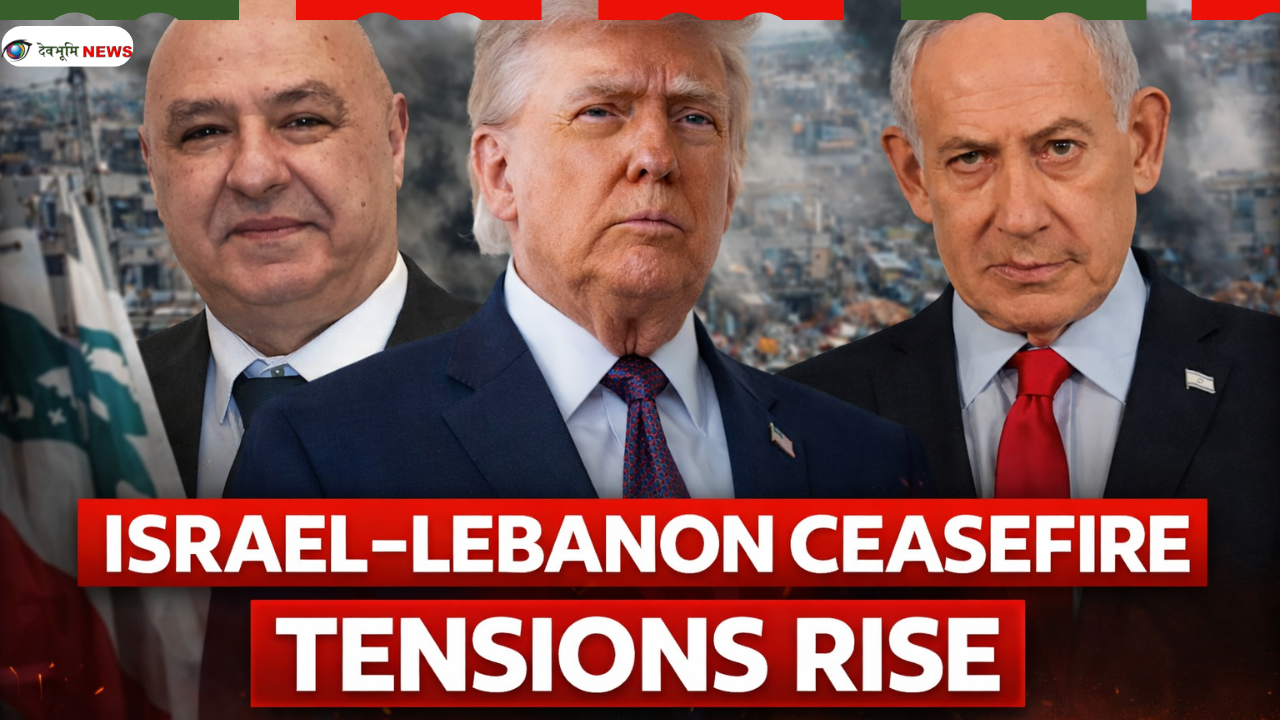
Israel–Lebanon Ceasefire Triggers: The news about the ceasefire between Israel and Lebanon began to spread across the northern part of Israel the sirens rang several times in the communities close to the border. In the city of Nahariya the air defense systems were activated when rockets were fired from Lebanon during the last few minutes prior to when the ceasefire between Israel and Lebanon was put into effect.
Israel–Lebanon Ceasefire Triggers Interceptors illuminated skies at night, and triggered massive explosions. Emergency services reported that at least three persons were injured by shrapnel with two of them in critical health. The attacks increased anxieties, and smothered any feeling of relief that comes with the ceasefire between Israel and Lebanon.
Public Reaction: Frustration Over Israel-Lebanon Ceasefire
Residents of northern Israel have expressed deep disappointment and doubts regarding the ceasefire between Lebanon and Israel. Many believe that the ceasefire fails to guarantee security for the long term.
“I think the government has misled our people,” said a student from Nahariya in the midst of a general feeling that the ceasefire between Israel and Lebanon could not end persistent threats.
Another resident, whose property was damaged in the past by a rocket attack, asked why the military operation was stopped. Many think that the ceasefire between Israel and Lebanon interferes with what they perceive as a significant military advance against Hezbollah.
Political Tensions Around Israel–Lebanon Ceasefire
The abrupt declaration of an ceasefire between Israel and Lebanon was reported to have caught senior officials off-guard. Israeli Premier Benjamin Netanyahu is said to have called a cabinet security meeting with no notice. Reports suggest ministers weren’t given an official vote on the agreement.
The criticism is that the ceasefire between Lebanon and Israel has been a result of external pressure in particular that of Donald Trump. This has led to debates about whether Israel’s national interest were considered fully.
The former military commander Gadi Eisenkot was critical of the system of ceasefires, saying that Israel is unable to translate the military’s successes into a diplomatic advantages. According to Eisenkot the ceasefire between Lebanon and Israel is a further example of a missed opportunity to strategically capitalize.
Read Also: Deadly Waters: U.S. Boat Strike Campaign Escalates in the Pacific
Netanyahu’s Position on Israel–Lebanon Ceasefire
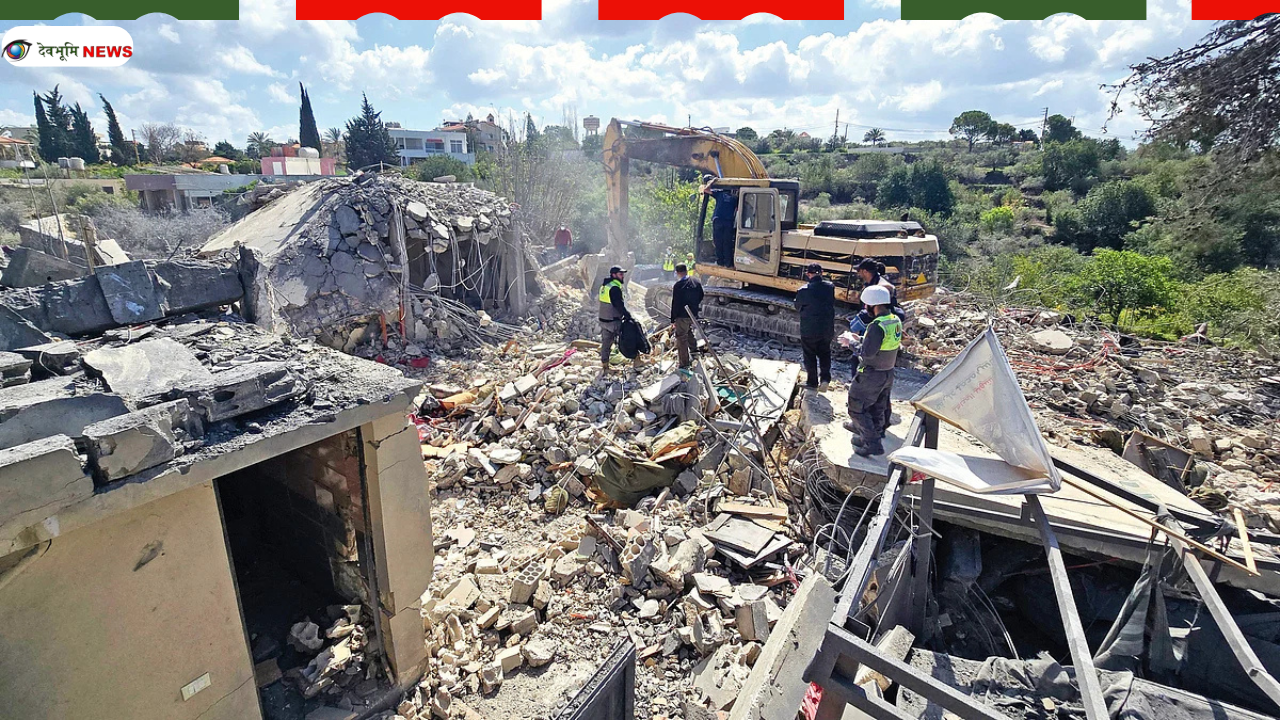
Although he has signed the ceasefire between Israel–Lebanon Ceasefire Triggers, Netanyahu emphasized that Israel has not complied with crucial demands made by Hezbollah. This included a complete exile from southern Lebanon as well as an “quiet for peace” agreement.
Netanyahu declared clearly his position that Israeli forces will remain within the security zone that has been strengthened in Lebanon and emphasized the fact that the ceasefire between Lebanon and Israel is not the end of military operations.
Role of Iran and US in Israel–Lebanon Ceasefire
The Israel-Lebanon ceasefire is closely linked to the wider tensions in the region. Iran has been adamant about bringing the end of Israeli military operations against Hezbollah in particular after agreeing to a ceasefire for a short period with The United States.
In the meantime, Trump has described efforts to make “breathing space” in the relationship between Israel and Lebanon and has linked the ceasefire between Israel and Lebanon to ongoing talks with Tehran. There are fears that the ceasefire could be part of a wider geopolitical plan, not an entirely Israeli decision.
Public Opinion on Israel–Lebanon Ceasefire
Recent surveys have shown a high level of the public’s support Israel for a continued military campaign against Hezbollah while many are opposed to ceasefire agreements. The critics say that the Israel–Lebanon Ceasefire Triggers places communities along the border at risk, while also advancing the interests of international diplomats.
Local officials have warned that these agreements usually come with a cost to people living in northern Israel in the region where rocket fire and instability continue to be a constant threat.
Conclusion:
The ceasefire between Israel and Lebanon has not done much to calm the majority of Israelis particularly those who live close to the border. While the government tries to portray it as a strategy however, the public’s skepticism is still high.
With Israel keeping it’s military presence Lebanon and also retaining rights to use force whenever needed and when necessary, the ceasefire between Lebanon and Israel seems less like an agreement and more of the temporary end of an ongoing conflict.