Join
Join
 Shorts

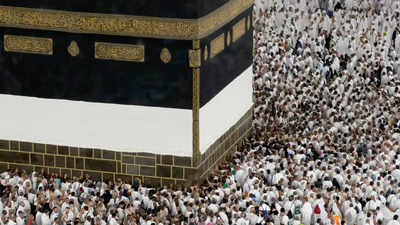
Tensions in the Middle East have intensified after Saudi Arabia said its air-defence systems intercepted and destroyed a drone near the holy city of Mecca. The incident triggered an emergency security alert in the city and drew condemnation from several countries and organisations. Yemen’s Houthi movement, however, has strongly denied that it targeted Mecca, calling the Saudi allegation a “nauseating lie.”
According to the Saudi-led coalition, the drone was intercepted at around 6:50 p.m. local time on Tuesday, September 15, before it entered the restricted airspace around the holy city. Coalition spokesman Major General Turki al-Malki said the wreckage fell south of Mecca. He described the incident as a serious security threat and said the protection of the Two Holy Mosques remained a “red line.”
Emergency Alert Issued in Mecca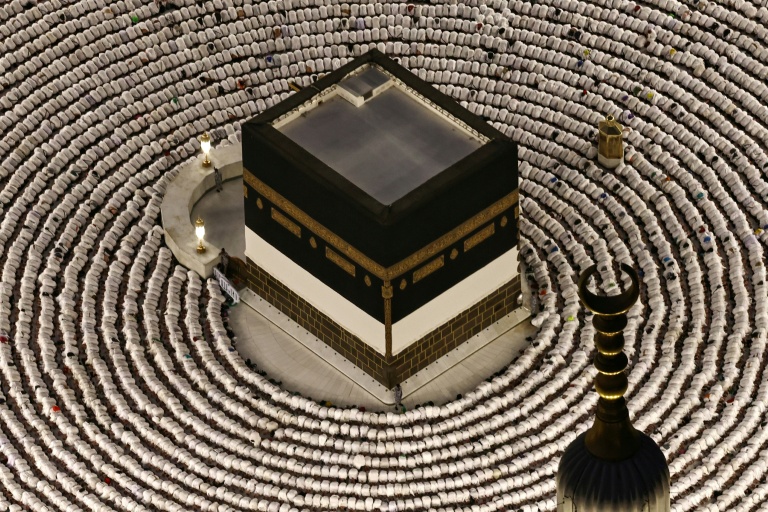
The incident gained particular attention because Saudi Civil Defence issued an emergency alert for Mecca, warning residents of a possible hostile aerial attack. People were advised to move indoors and stay away from windows and doors until the danger had passed.
The alert was lifted within minutes, but similar warnings were also issued in Jeddah and Taif. The episode marked an unusual security development for Mecca, a city that hosts millions of Muslim pilgrims and is home to the Grand Mosque and the Kaaba.
Saudi authorities have been facing increased security pressure following a series of missile and drone incidents linked by Riyadh to the Houthis. The latest warning therefore came amid an already tense security environment across parts of the kingdom.
Houthis Reject Allegation
The Houthis have categorically rejected Saudi Arabia’s claim that they launched a drone toward Mecca. Houthi political bureau member Hezam al-Asad described the allegation as a “nauseating lie” and argued that the group’s military operations are not directed against Islamic holy sites.
Al-Asad said the accusations were part of what he described as Saudi attempts to portray Houthi military activity as an attack on the holy city. He claimed that Houthi operations target Saudi military bases and oil facilities rather than sacred sites.
Houthi military spokesman Yahya Saree also denied that Yemen posed a threat to Mecca or other Islamic holy sites. According to the group’s statement, its stated targets are military and strategic facilities located away from the holy sites.
Houthis Claim Saudi F-15 Was Shot Down
While rejecting the allegation concerning Mecca, the Houthis made a separate military claim. Yahya Saree said Houthi forces had shot down a Saudi F-15 fighter jet over Yemen’s Marib Governorate using what he described as a locally manufactured surface-to-air missile.
The group also claimed that it had confronted Saudi F-15 and Typhoon fighter formations in the area. These claims have not been independently verified, and Saudi authorities have not confirmed the reported loss of an F-15 in the information currently available.
The competing claims illustrate the difficulty of independently establishing battlefield developments during an active military confrontation, particularly when both sides have strong incentives to present events in ways that support their respective narratives.
Saudi Arabia Says Threat Came From Houthi-Controlled Territory
The Saudi-led coalition has attributed the intercepted drone to the Houthis. Coalition spokesman Turki al-Malki said the drone was destroyed before it entered restricted airspace around Mecca.
Al-Malki also described the incident as the second alleged Houthi attempt to target Mecca, referring to a ballistic missile incident in July 2017. He said the coalition would take measures to deter future attacks and emphasised the importance of protecting the Two Holy Mosques and pilgrims.
Saudi authorities have not released all technical details publicly, including the precise flight path of the intercepted drone and evidence establishing responsibility for its launch. Those details could be important in assessing the competing claims.
Recent Attacks Have Increased Tensions
The Mecca incident follows a series of attacks and warnings across Saudi Arabia. On September 12, a projectile launched from Yemen landed in the Jazan region, according to Saudi Civil Defence. Two people were reportedly injured, while a mosque, buildings and vehicles were damaged.
The following day, the Saudi-led coalition said Houthi forces had carried out missile and drone attacks targeting areas including Khamis Mushait, Abha and Taif. Coalition spokesman Turki al-Maliki said 13 civilians suffered minor to moderate injuries, while seven residential homes and two vehicles were damaged.
The developments have contributed to heightened security concerns across southern and western Saudi Arabia, with authorities issuing additional alerts when potential aerial threats are detected.
OIC Condemns Reported Attacks
The Organisation of Islamic Cooperation (OIC) condemned what it described as Houthi attacks targeting Mecca and the Madinah region. The organisation expressed solidarity with Saudi Arabia and stressed the importance of protecting the sanctity of the holy sites and the safety of civilians and pilgrims.
The OIC’s statement reflects the sensitivity of any alleged military activity near Mecca or Medina. Both cities hold exceptional religious significance for Muslims worldwide, and any reported threat to them can have consequences far beyond the immediate military situation.
At the same time, the Houthis have rejected the accusation that they intentionally targeted the holy city. As a result, responsibility for the specific incident remains disputed between the two sides.
Pakistan Also Condemns the Incident
Pakistan’s Prime Minister Shehbaz Sharif condemned what he described as an attack on Mecca and expressed concern over the reported incident. Pakistan’s Deputy Prime Minister and Foreign Minister Ishaq Dar also described the alleged drone attack as unacceptable and reaffirmed support for Saudi Arabia in protecting the Two Holy Mosques.
Pakistan said any threat to Mecca would represent a serious concern for Muslims and stressed the importance of Saudi Arabia’s sovereignty and security. The Pakistani response adds another regional dimension to an incident already drawing international attention.
A Broader Regional Security Crisis
The latest confrontation comes amid a wider escalation involving Yemen, Saudi Arabia and other regional actors. The Houthis have previously used missiles and drones as part of their military operations, while Saudi Arabia maintains extensive air-defence capabilities and has carried out military operations against Houthi targets.
The situation has also become connected to wider regional tensions involving Iran and its allies. However, responsibility for individual attacks still needs to be assessed separately, based on available evidence rather than broader assumptions about regional alliances.
The security situation is particularly sensitive around Mecca because of the presence of pilgrims, residents and religious sites. Even an intercepted projectile or drone can trigger emergency measures and widespread concern.
Read more like this:
- भारत और पाकिस्तान के नौसैनिक जहाजों में अंतरराष्ट्रीय जलक्षेत्र में टक्कर, MEA ने बताया ‘गैर-पेशेवर’ व्यवहार
- Consumer Watchdog ने Rapido पर लगाया ₹10 लाख का जुर्माना, भ्रामक विज्ञापन और ‘Dark Patterns’ पर कार्रवाई
What Happens Next?
The immediate focus is likely to remain on determining where the drone originated, who launched it and what its intended target was. Saudi Arabia has attributed the incident to the Houthis, while the Houthis have denied targeting Mecca and said their operations are aimed at military and economic targets away from the holy sites.
Independent verification of the competing claims will be important. Evidence such as the recovered drone components, flight trajectory, launch location and technical analysis could help establish what happened.
For Saudi Arabia, preventing threats from reaching populated areas and the holy sites remains a major security priority. For the Houthis, denying any intention to target Mecca is central to their response to the Saudi accusation.
Conclusion
The reported interception of a drone near Mecca has triggered a fresh diplomatic and security controversy in the region. Saudi Arabia says its air defences destroyed a Houthi drone before it entered the restricted airspace around the holy city, while the Houthis have categorically denied targeting Mecca and called the allegation a “nauseating lie.”
The Houthis have instead claimed that their forces targeted Saudi military assets, including an alleged F-15 fighter jet in Yemen’s Marib region. That claim, like several other battlefield assertions, has not been independently verified.
With tensions already rising following recent missile and drone incidents across Saudi Arabia, the Mecca episode adds another sensitive dimension to the conflict. The coming days are likely to focus on evidence surrounding the drone, competing official claims and whether the confrontation leads to further military escalation in the region.