Join
Join
 Shorts

In one of India’s largest anti-narcotics operations in recent years, security agencies uncovered a massive cocaine smuggling network off the Gujarat coast involving foreign smugglers, floating drug packets in the Arabian Sea, and an international trafficking route stretching across multiple countries.
The operation, led jointly by the Indian Coast Guard, Gujarat Anti-Terrorism Squad (ATS), and central intelligence agencies, resulted in the seizure of a huge consignment of cocaine worth thousands of crores in the international market. Officials described the bust as Gujarat’s biggest-ever cocaine seizure and a major breakthrough against transnational drug cartels.
Massive Drug Haul Intercepted in Arabian Sea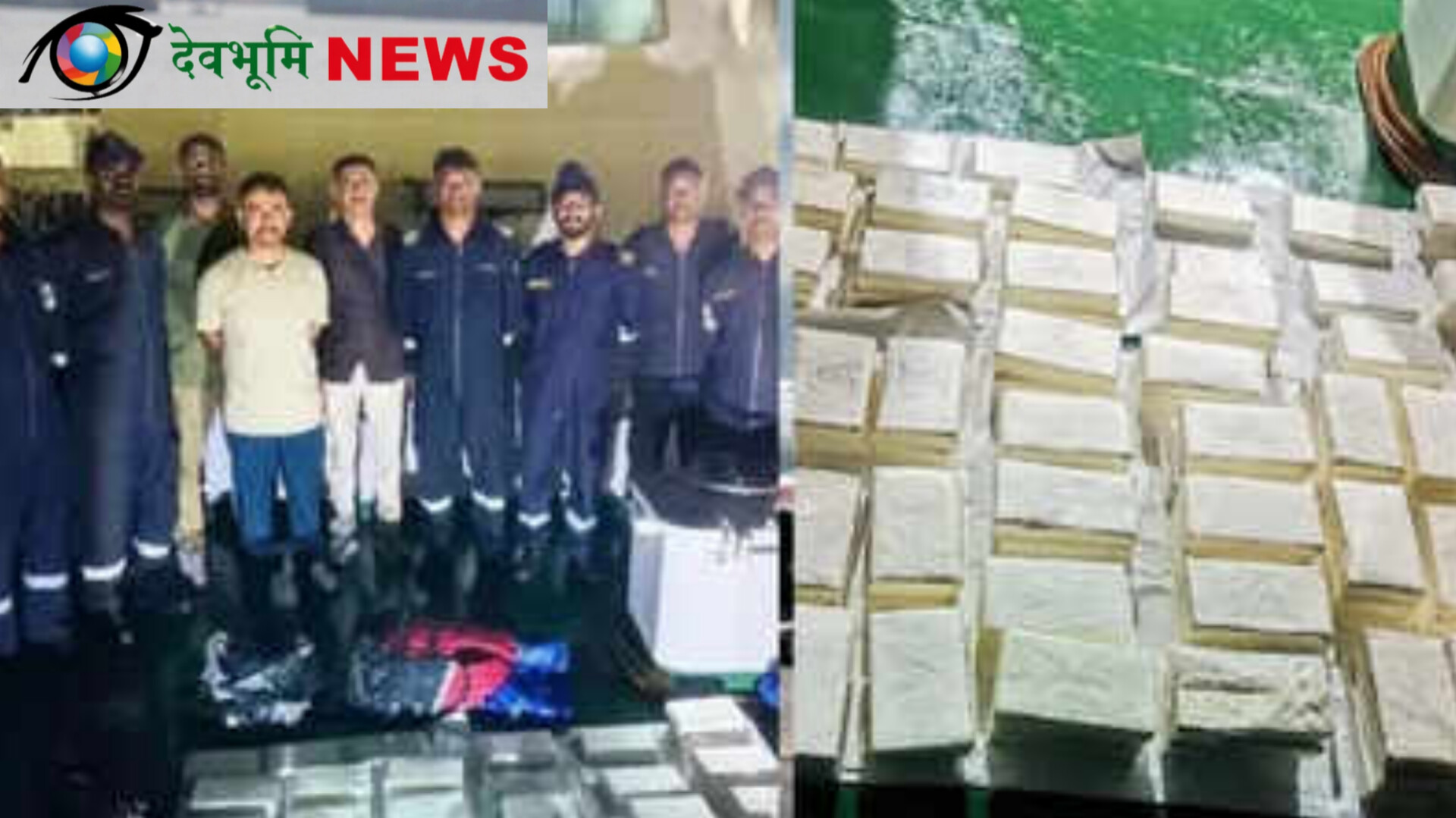
According to officials, the operation began after intelligence agencies received inputs regarding suspicious maritime activity near the Gujarat coastline. Surveillance teams tracked a foreign vessel believed to be involved in narcotics trafficking through international sea routes.
Security agencies later discovered several waterproof drug packets floating in the Arabian Sea after smugglers allegedly dumped the consignment into the water while attempting to evade interception.
Officials recovered multiple floating bags containing high-purity cocaine packed carefully to survive long periods in seawater. Authorities believe the smugglers intended to transfer the narcotics to smaller boats before delivering them to Indian shores.
Foreign Smugglers Linked to International Cartel
Investigators suspect the operation was coordinated by an international drug syndicate involving foreign nationals operating through maritime smuggling routes across the Middle East and South Asia.
Initial investigations suggest the cocaine shipment originated outside India and was being transported through international waters before entering the Gujarat coast. Intelligence agencies are now examining possible links with organized criminal groups based in Pakistan, Iran, and Africa.
Officials stated that several foreign crew members aboard the intercepted vessel are currently being questioned regarding the origin and destination of the drugs.
Gujarat Coast Emerging as Smuggling Route
The Gujarat coastline has increasingly become a major concern for anti-narcotics agencies due to its strategic location along international shipping routes. Over the past few years, authorities have seized large quantities of heroin, methamphetamine, and cocaine near Gujarat ports and coastal areas.
Experts believe traffickers are exploiting busy maritime trade corridors and vast coastal stretches to move narcotics into India and neighboring countries.
The latest seizure has once again raised questions about the growing sophistication of sea-based drug smuggling networks operating in the Arabian Sea.
High-Tech Surveillance Helped Crack Operation
Officials credited advanced maritime surveillance systems, drone monitoring, and intelligence coordination for the success of the operation. Coast Guard vessels reportedly tracked suspicious movement for several hours before launching interception efforts.
Teams used GPS tracking and aerial reconnaissance to locate floating cocaine packets spread across parts of the sea after smugglers attempted to discard evidence.
Security agencies said the operation required careful coordination because rough sea conditions and nighttime visibility made recovery efforts extremely challenging.
Investigation Expands Across Multiple States
Following the seizure, central agencies including the Narcotics Control Bureau (NCB) and intelligence departments launched wider investigations to identify Indian contacts connected to the international trafficking network.
Authorities are examining whether the consignment was intended for domestic distribution or further international transport through Indian territory.
Raids and searches are expected in multiple states as investigators attempt to trace financial links, communication networks, and possible sleeper operatives associated with the cartel.
Major Blow to International Drug Trade
Officials described the operation as one of the biggest blows to maritime narcotics trafficking in the region. Security agencies believe the seizure prevented a massive quantity of cocaine from entering illegal markets and financing organized crime activities.
The case has also highlighted the increasing use of maritime routes by international drug syndicates seeking to bypass stricter land border surveillance.
As investigations continue, agencies remain on high alert along India’s western coastline amid fears that more smuggling attempts could be underway.
Read more like this:
Conclusion
The Gujarat cocaine seizure has exposed a dangerous underworld network involving dark sea routes, floating drug consignments, and foreign smugglers operating across international waters. With authorities continuing their investigation into the global cartel behind the operation, the case is expected to become one of India’s most significant anti-drug investigations in recent years.