Join
Join
 Shorts


The Delhi government has announced plans to build hostel facilities for 10,000 students studying in colleges and universities across the national capital. The decision comes days after the collapse of a paying guest accommodation building in Satya Niketan killed seven people, including five students, raising fresh concerns over the safety and affordability of student housing in Delhi.
Chief Minister Rekha Gupta said the initiative would provide students with safer and more affordable accommodation, particularly those who come to Delhi from different parts of the country for higher education. She said students should not have to worry about finding a secure place to live after securing admission to a college or university.
Hostels to Be Available to Students Across Delhi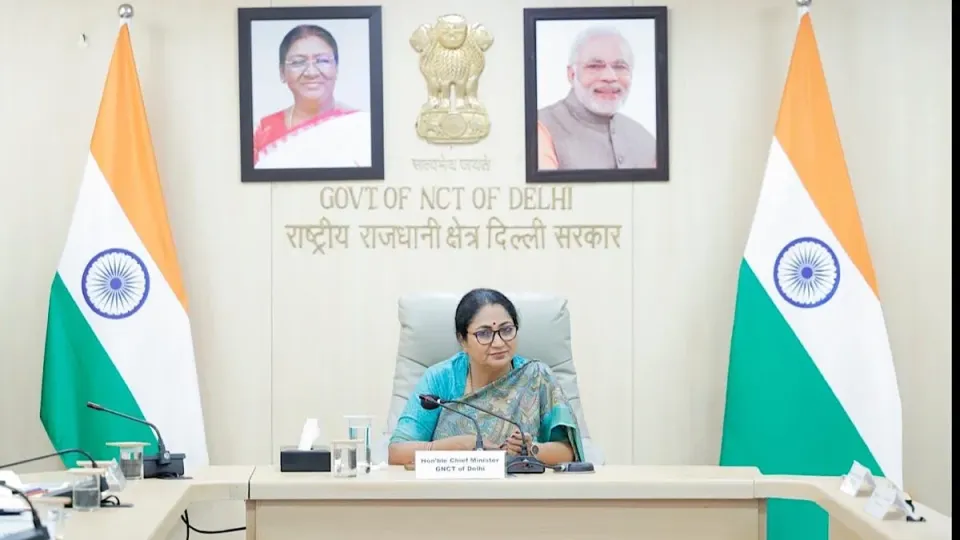
The proposed hostels will accommodate both male and female students and are expected to be open to students enrolled in colleges and universities across Delhi, rather than being restricted only to government institutions.
Gupta said the government is working on a permanent solution to the shortage of student accommodation in the city. Officials are conducting surveys to identify colleges and educational institutions with sufficient space for hostel construction. Land may also be acquired wherever necessary.
The Health, Higher Education and Women and Child Development departments are among those expected to participate in the initiative. Some projects will be developed through a public-private partnership model to speed up construction and ensure long-term maintenance of the facilities.
Satya Niketan Building Collapse Raises Safety Questions
The announcement follows the collapse of a multi-storey paying guest building in South Delhi’s Satya Niketan area on September 6. The incident killed seven people and injured several others, highlighting concerns about the condition of privately operated accommodation facilities used by students.
Satya Niketan and other parts of Delhi have become major centres for paying guest accommodation because of their proximity to universities, coaching centres and colleges. However, the growing demand for rooms has also led to concerns about overcrowding, inadequate fire-safety arrangements, structural weaknesses and buildings operating without proper approvals.
The tragedy has intensified calls for stronger monitoring of student housing and better alternatives to unregulated or unsafe private accommodation.
Draft Hostel Policy Being Prepared
The Delhi government is also preparing a draft policy to identify the accommodation requirements of students and establish standards for hostel facilities. Officials have said that the policy will address issues related to safety, amenities, maintenance and the availability of affordable housing.
The exact number of hostels, their locations, construction costs and completion timelines have not yet been announced. The government is expected to finalise these details after completing surveys and consultations with educational institutions and relevant departments.
The proposed public-private partnership model could allow private developers to participate in construction and operations while the government retains responsibility for ensuring student welfare and safety standards.
High-Powered Committee to Examine Student Accommodation
Alongside the hostel announcement, Delhi Lieutenant Governor Taranjit Singh Sandhu has constituted a high-powered committee to examine the shortage and safety of student accommodation in the capital.
The committee, chaired by Education and Urban Development Minister Ashish Sood, has been tasked with submitting recommendations within 60 days. Its members include senior officials from the Delhi government, Delhi Police, Municipal Corporation of Delhi, New Delhi Municipal Council, Delhi Development Authority and the Delhi Fire Service, along with vice-chancellors of major universities and technical institutions.
The committee will assess the demand and supply gap in student housing, identify land and buildings that can be used for new hostels, and recommend a regulatory framework for private paying guest facilities.
New Digital Portals for Students and PG Operators
The committee has also decided to develop two digital portals within 15 days. One portal will help map student accommodation requirements and collect information about students across educational institutions. The second will require paying guest operators to register their properties and provide details about building age, structural conditions, capacity and fire-safety arrangements.
A centralised grievance mechanism is also being considered so students can report overcrowding, unsafe buildings, emergency exits blocked by construction or other violations. The proposed system could help authorities identify high-risk accommodation facilities and respond more quickly to complaints.
Officials are also examining measures related to structural audits, fire-safety inspections, emergency evacuation procedures and mock drills for students and accommodation operators.
Delhi’s Growing Hostel Shortage
The shortage of formal student accommodation has remained a major challenge for Delhi’s higher education system. More than 2.6 lakh students study at Delhi University, while the university and its affiliated colleges together provide only around 7,200 existing hostel seats.
Additional hostel projects have been proposed, but several have faced delays because of funding shortages, limited land availability, regulatory approvals and other administrative requirements. The gap between demand and available accommodation has forced many students, especially those from outside Delhi, to depend on private paying guest facilities and rented rooms.
The situation has also placed a financial burden on students and their families, as accommodation costs near major educational hubs can be high. For many families, the absence of affordable institutional housing makes it difficult to send children to Delhi for higher education.
Read more like this :
Focus on Safety, Affordability and Long-Term Planning
The government’s proposed hostel programme is intended to address both the shortage of accommodation and the safety concerns exposed by the Satya Niketan incident. Officials have indicated that the responsibility will extend beyond constructing buildings and will include ensuring proper facilities, maintenance and a secure living environment.
The success of the initiative will depend on the availability of land, timely approvals, funding and effective regulation of private accommodation. Ensuring that the new hostels are completed within a reasonable timeframe will also be important, given the immediate needs of thousands of students.
For now, the announcement represents a significant policy response to Delhi’s student housing crisis. By combining new hostel construction with digital registration, safety audits and stronger regulation of paying guest facilities, the government aims to create safer and more affordable accommodation options for students pursuing education in the capital.