Join
 Shorts

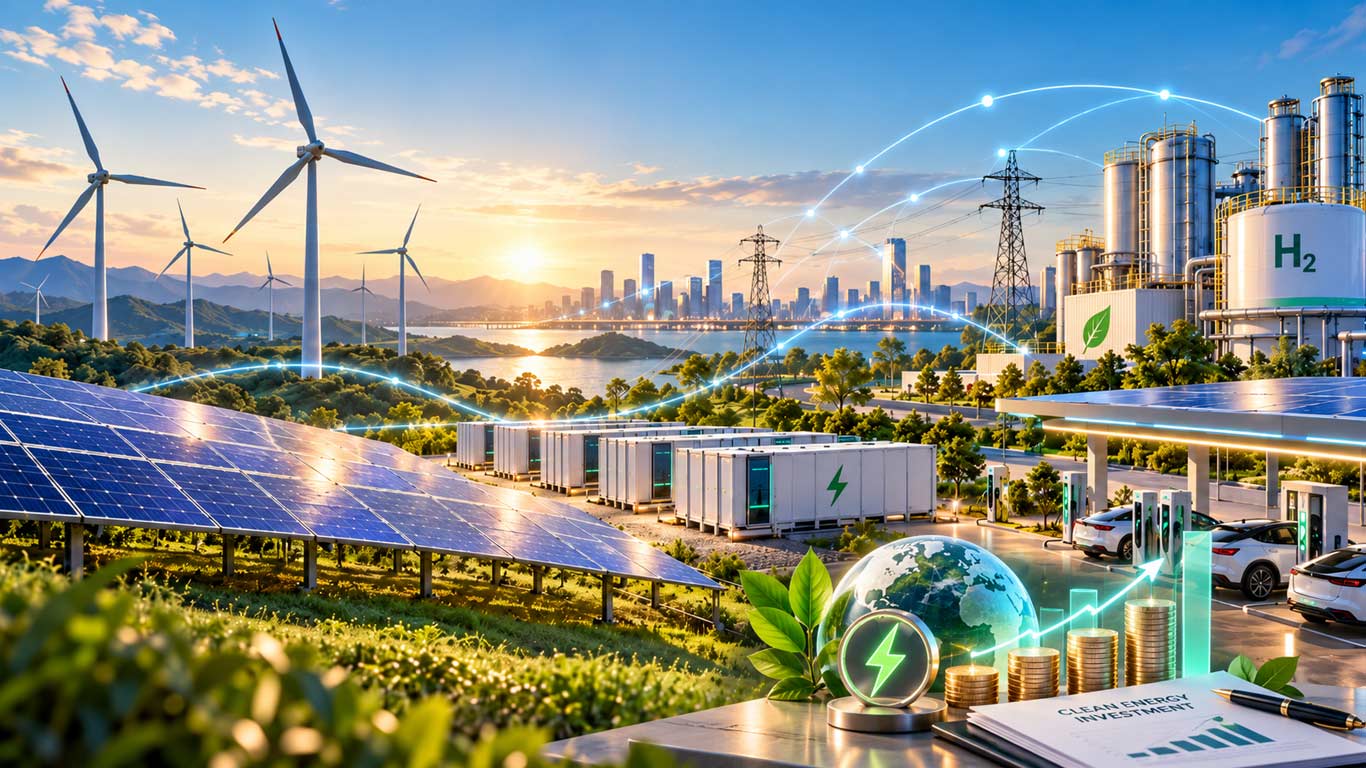
India is making a major effort to transform its energy sector by increasing investment in clean and renewable energy. The country aims to meet its ambitious climate and energy targets by 2030 while supporting economic growth and reducing pollution. To achieve these goals, India needs substantial financial resources, advanced technology, and strong cooperation between the government and private companies. The proposed $220 billion clean energy push highlights the importance of sustainable development in one of the world’s fastest-growing major economies.
India’s Clean Energy Ambitions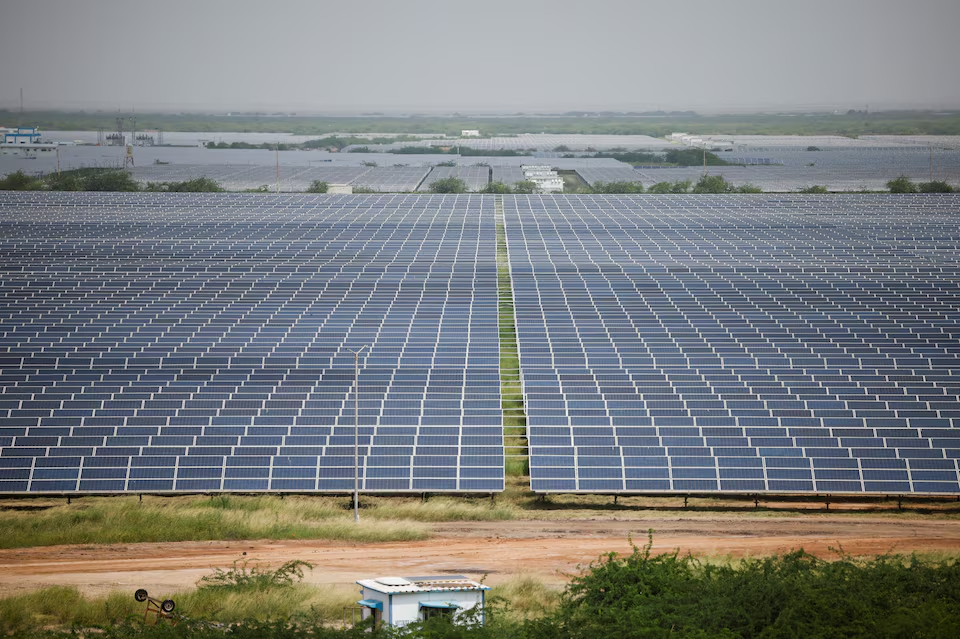
Growing Demand for Energy
India’s energy demand is rising rapidly due to population growth, urbanisation, industrial expansion, and increasing living standards. Electricity is required for homes, factories, transport, agriculture, and digital infrastructure. At the same time, the country faces the challenge of meeting this growing demand without increasing its dependence on fossil fuels.
The government is therefore promoting renewable sources of energy, including solar, wind, hydropower, and green hydrogen. These sources can help India develop a cleaner, more secure, and sustainable energy system.
The 2030 Renewable Energy Target
India has set an ambitious goal of achieving 500 gigawatts of non-fossil-fuel electricity capacity by 2030. This target includes renewable energy and other non-fossil sources, such as nuclear power. Achieving it would represent a significant step towards reducing carbon emissions and strengthening the country’s energy security.
The proposed investment of $220 billion is intended to support the expansion of clean energy infrastructure and accelerate progress towards these objectives.
Why India Needs $220 Billion
Expanding Solar and Wind Power
A substantial share of the investment will be required to develop large-scale solar parks, wind farms, and other renewable energy projects. India has considerable potential for solar power because many regions receive abundant sunlight throughout the year. Coastal areas and selected inland regions also offer opportunities for wind energy.
However, building renewable energy facilities requires substantial initial investment, suitable land, modern equipment, and reliable connections to the electricity grid. Financial support will be essential to bring more projects into operation.
Strengthening Electricity Infrastructure
Producing clean electricity is only one part of the challenge. India must also improve its transmission and distribution networks to deliver power efficiently from renewable energy sites to cities, industries, and rural communities.
Investment in battery storage, pumped-storage hydropower, and modern grid technologies will help manage fluctuations in solar and wind power generation. These improvements are necessary to ensure a reliable electricity supply even when sunlight or wind availability changes.
Role of Government and Private Investment
Government Support
The Indian government plays an important role in creating policies that encourage clean energy development. Financial incentives, transparent regulations, competitive auctions, and faster project approvals can attract investors and reduce uncertainty.
Public investment is also important for developing transmission lines, research facilities, and infrastructure that may not immediately generate commercial returns.
Participation of Private Companies
The private sector will be equally important in financing and implementing clean energy projects. Domestic companies and international investors can contribute capital, technology, and technical expertise.
Banks, financial institutions, and international climate funds may also help meet the investment requirement. Stable policies and predictable returns will be crucial for encouraging long-term investment.
Green Hydrogen and Emerging Technologies
Building New Energy Industries
India is also promoting green hydrogen, which is produced using renewable electricity to split water into hydrogen and oxygen. Green hydrogen could help reduce emissions in sectors that are difficult to electrify, including steel production, fertiliser manufacturing, and some forms of heavy transport.
Developing this industry will require investment in electrolysers, renewable electricity, storage, transportation, and industrial facilities.
Encouraging Innovation
Battery technology, smart grids, energy-efficient equipment, and domestic manufacturing can make clean energy more affordable and reliable. Investment in research and development will help India reduce dependence on imported technologies and strengthen its position in the global clean energy market.
Major Challenges Ahead
Financial and Technical Barriers
Mobilising $220 billion is a significant challenge. High borrowing costs, delayed payments, land acquisition difficulties, and uncertainty in electricity distribution companies can discourage investors.
Renewable energy projects may also face delays because of transmission constraints and difficulties in obtaining environmental and regulatory clearances.
Balancing Growth and Sustainability
Coal continues to play a major role in India’s electricity system. A rapid transition must therefore balance climate commitments with affordable electricity, industrial development, and employment. Workers and communities dependent on traditional energy industries will need support as the economy changes.
Benefits for India
A successful clean energy transition could reduce air pollution, create employment, attract foreign investment, and improve energy security. Expanding domestic renewable energy production would also reduce exposure to fluctuations in international coal, oil, and gas prices.
New industries involving solar equipment, batteries, electric vehicles, and green hydrogen could create opportunities for Indian manufacturers and skilled workers. Rural areas may benefit from new infrastructure, jobs, and improved access to reliable electricity.
Read more like this:
- पीएम मोदी का दिवाली गिफ्ट: केंद्रीय कर्मचारियों के महंगाई भत्ते में 3% बढ़ोतरी को कैबिनेट की मंजूरी
- Why Are Deleted Voters Being Asked to File Form 6 Despite Being on the 2026 Rolls? Supreme Court Questions ECI on Delhi SIR
Conclusion
India’s proposed $220 billion clean energy push represents an important step towards a more sustainable and energy-secure future. Achieving the 2030 target will require coordinated action, substantial investment, technological innovation, and effective implementation. Although financial and infrastructural challenges remain, the transition offers significant environmental and economic opportunities. If the government, private sector, and international partners work together, India can accelerate its clean energy transformation while supporting inclusive economic growth and contributing to global climate goals.