Join
Join
 Shorts

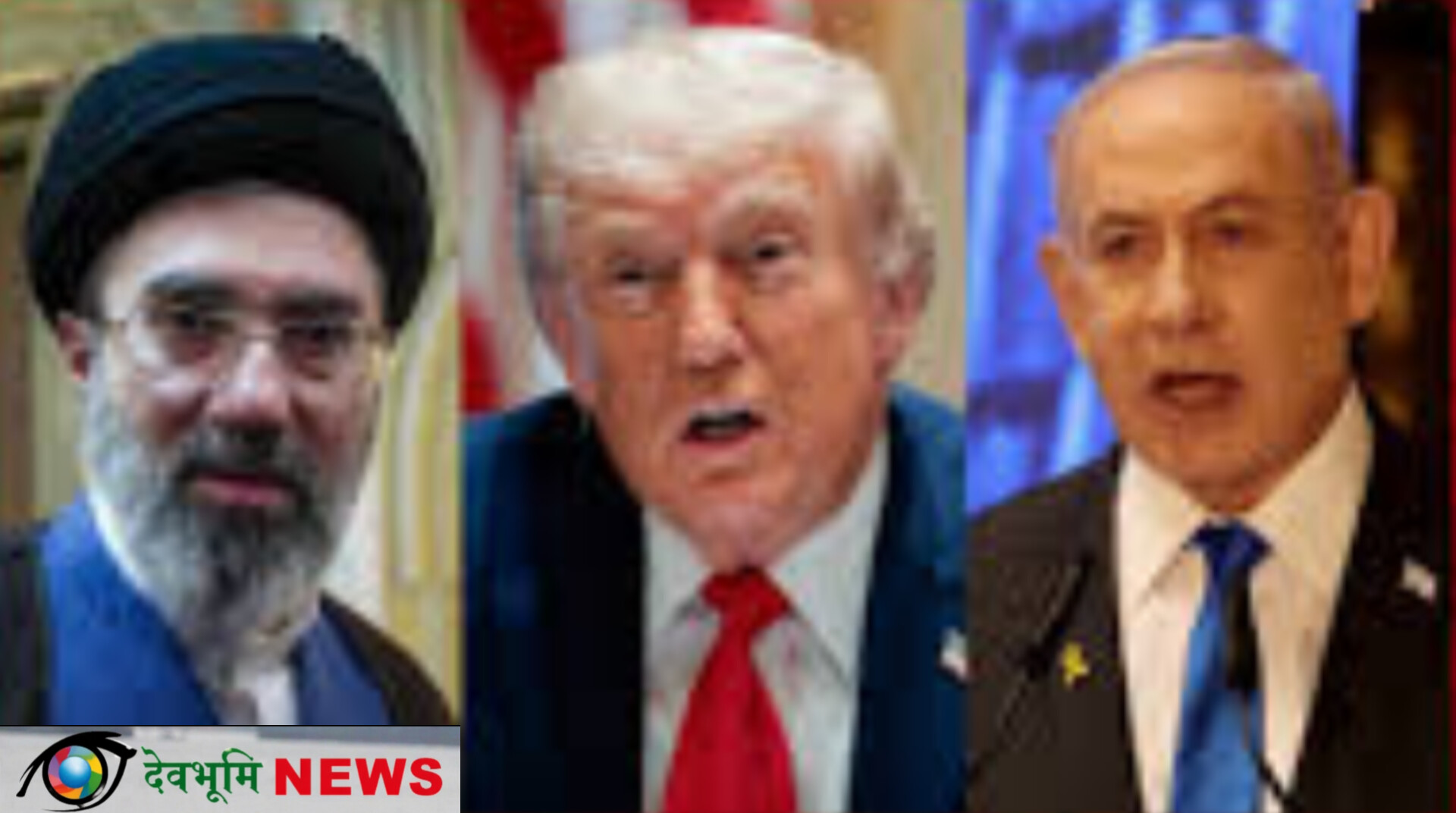
The conflict between the US and Iran continues to keep the international community on edge, with fresh diplomatic efforts underway to prevent further escalation. While military tensions remain high, both sides are reportedly exploring indirect channels of communication through Qatar in an attempt to reduce hostilities and avoid a wider regional conflict.
The developments come amid growing concerns over security in the Middle East, global oil supplies, and the safety of key international shipping routes.
Trump Signals Readiness for Indirect Talks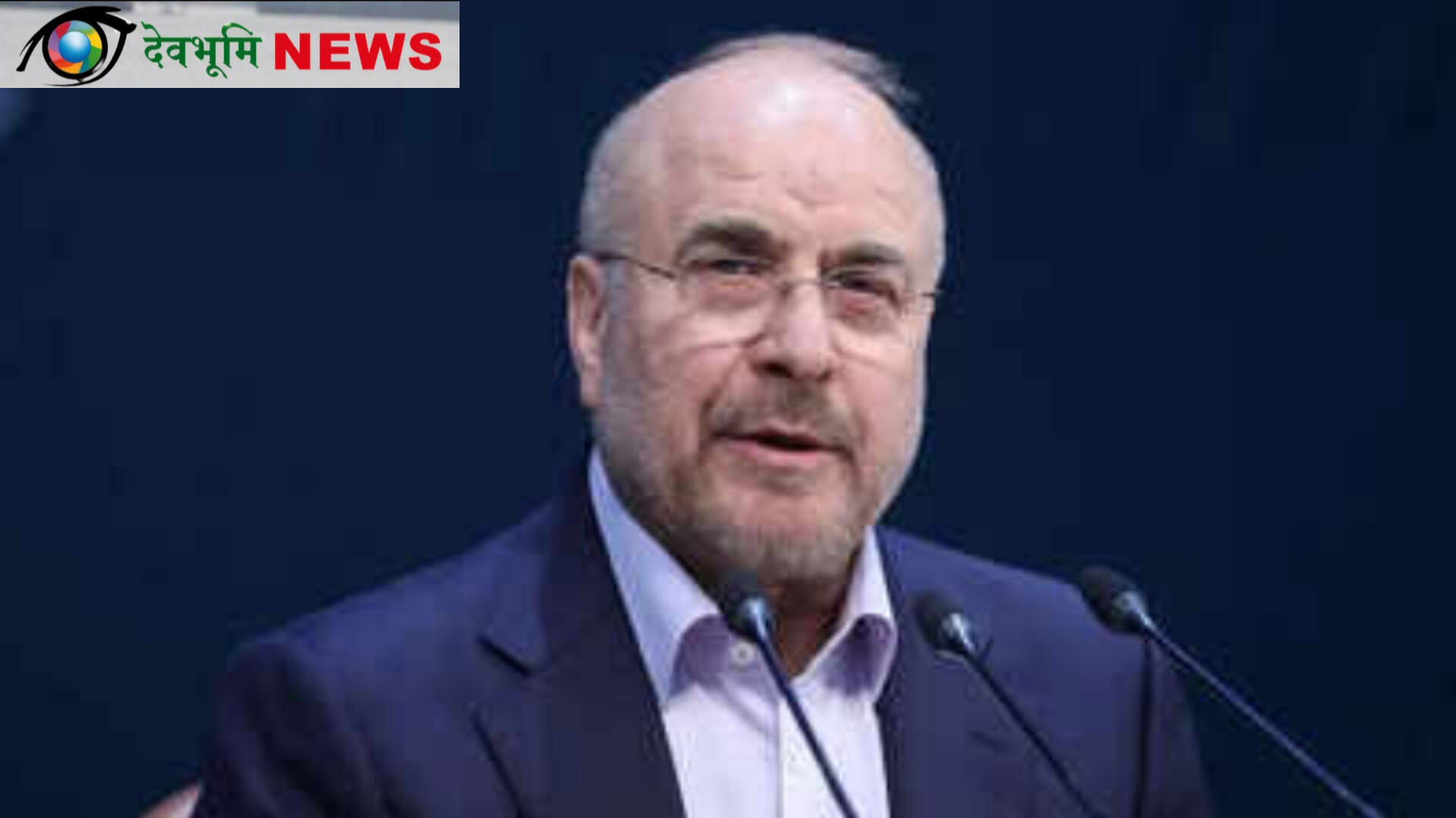
US President Donald Trump has indicated that his administration remains open to indirect negotiations with Iran despite continuing tensions.
According to diplomatic reports, Qatar is facilitating communication between Washington and Tehran. Although there are no direct face-to-face talks at this stage, officials believe the backchannel discussions could help create conditions for future diplomatic engagement.
The US administration has reiterated that diplomacy remains an option while also maintaining pressure on Iran over regional security concerns.
Qatar Emerges as Key Mediator
Qatar has once again taken on the role of mediator in one of the Middle East’s most sensitive geopolitical crises.
Doha has maintained diplomatic relations with both the United States and Iran, allowing it to serve as a communication bridge between the two countries. Officials familiar with the talks say Qatar is encouraging dialogue and confidence-building measures to reduce the risk of military confrontation.
Its mediation efforts have drawn international attention as global leaders continue to call for restraint.
Strait of Hormuz Under Close Watch
The Strait of Hormuz remains at the center of global attention as tensions persist.The strategic waterway is one of the world’s busiest energy corridors, with a significant portion of global crude oil and liquefied natural gas exports passing through it every day. Any disruption to shipping in the Strait could affect international energy markets and global trade.
Several countries have increased maritime surveillance and naval deployments in the region to ensure the security of commercial vessels.
Global Oil Markets Remain Volatile
The ongoing uncertainty has contributed to fluctuations in global oil prices. Energy traders are closely monitoring developments, as any escalation in the conflict could impact oil exports from the Gulf region. Higher energy prices could also affect transportation costs, inflation, and economic growth in several countries.
Market analysts believe diplomatic progress would help stabilize prices, while further military action could lead to renewed volatility.
International Community Calls for Peace
Governments and international organizations have urged both Washington and Tehran to pursue peaceful dialogue and avoid actions that could intensify the conflict.
Several countries have expressed support for Qatar’s mediation efforts and emphasized the importance of maintaining stability in the Middle East.
The United Nations has also appealed for restraint, warning that further escalation could have serious humanitarian and economic consequences.
Regional Security Remains Fragile
Despite ongoing diplomatic efforts, security agencies continue to monitor developments closely.
Military forces across the region remain on alert, while intelligence agencies are assessing the potential for further incidents. The situation remains fluid, with both diplomatic and military developments capable of influencing the course of events. Officials have not announced any major breakthrough in the indirect talks so far.
Read more like this :
What Lies Ahead
The coming days are expected to be crucial for determining whether indirect negotiations can help ease tensions between the United States and Iran.
If diplomatic efforts succeed, they could pave the way for broader discussions and reduce the risk of conflict. However, any fresh military incident or breakdown in communication could quickly reverse progress.
For now, the international community remains focused on the mediation efforts led by Qatar, the security of the Strait of Hormuz, and the broader implications of the US-Iran tensions for regional stability and the global economy.