Join
Join
 Shorts

In a significant development ahead of upcoming elections, the Supreme Court has upheld the Election Commission of India’s (ECI) Special Intensive Revision (SIR) exercise being carried out in Bihar, West Bengal, and several other states. The apex court stated that the poll body did not act outside its statutory powers while conducting the revision of electoral rolls, giving a major legal boost to the Election Commission.
The verdict comes amid political controversy and opposition criticism over the voter verification process, which several parties alleged could lead to voter exclusion. However, the Supreme Court observed that the ECI has the constitutional authority to revise and verify electoral rolls to ensure free and fair elections.
Supreme Court Supports ECI’s Authority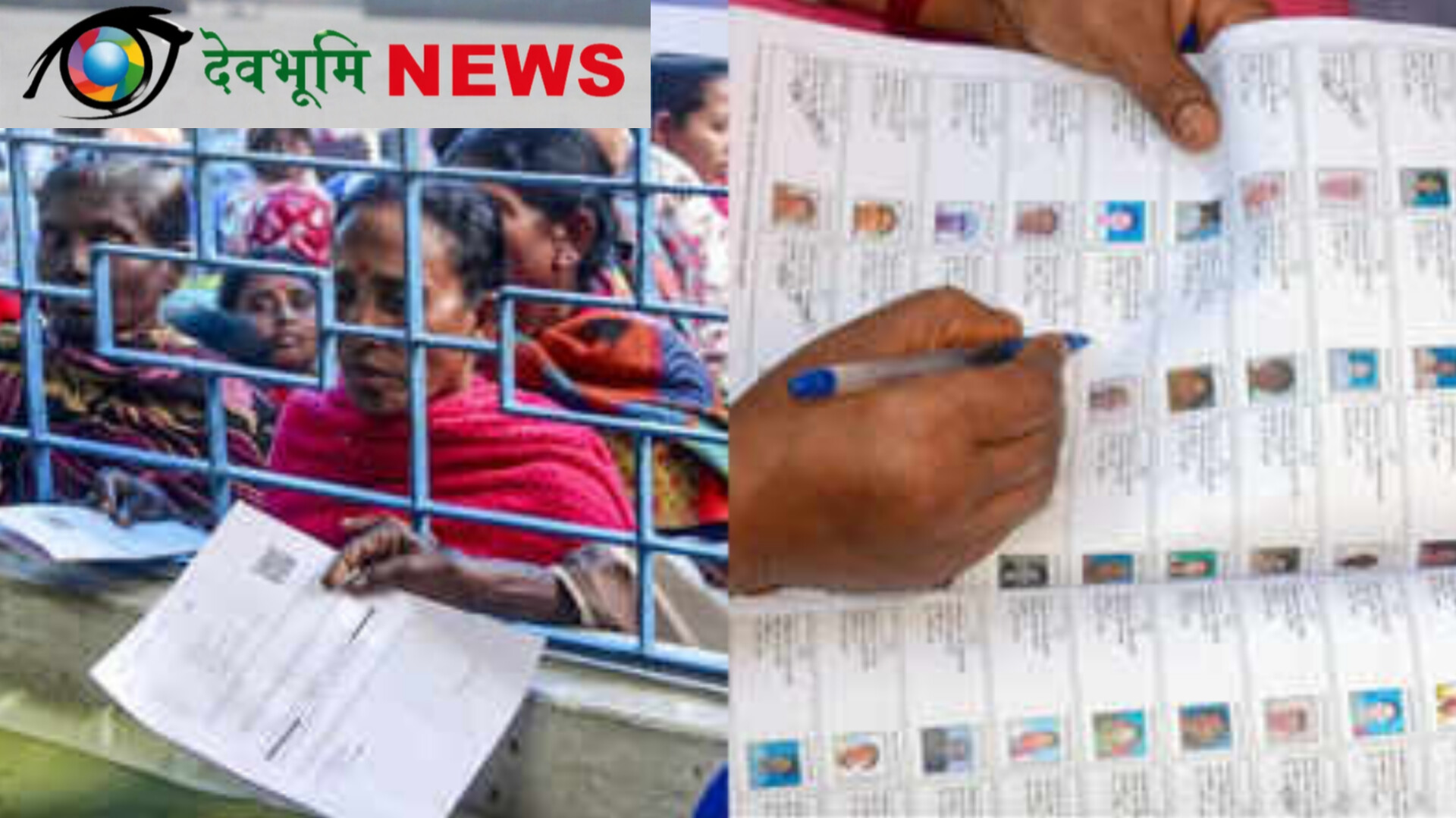
A bench of the Supreme Court ruled that the Election Commission acted within the framework of the Representation of the People Act and constitutional provisions while initiating the Special Intensive Revision exercise.
The court noted that maintaining accurate electoral rolls is one of the core responsibilities of the Election Commission under Article 324 of the Constitution. According to the bench, the poll body possesses sufficient statutory powers to conduct voter verification drives and update electoral records whenever necessary.
The court also clarified that the revision process itself cannot be termed unconstitutional unless there is clear evidence of arbitrary action or violation of citizens’ rights.
What Is the Special Intensive Revision (SIR) Exercise?
The Special Intensive Revision (SIR) is a large-scale voter list verification process conducted by the Election Commission to remove duplicate, fake, deceased, or shifted voters from electoral rolls while adding eligible new voters.
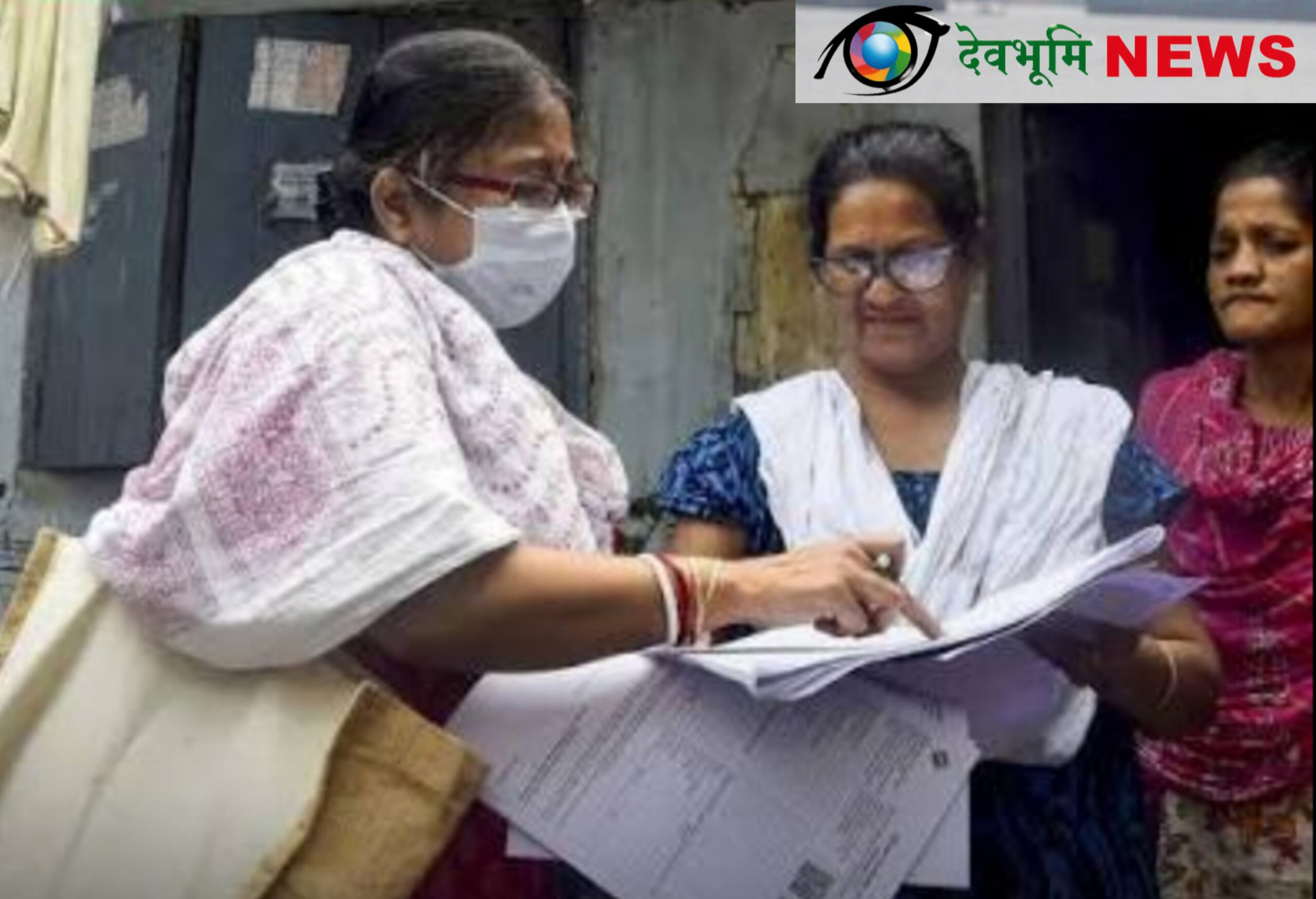
Under the process, booth-level officers visit households and verify voter information physically. Citizens may also be asked to update documents, addresses, or identification details to ensure the accuracy of voter records.
The ECI launched the exercise in states like Bihar and West Bengal due to concerns regarding duplicate voter entries and migration-related discrepancies in electoral rolls.
Opposition Parties Raised Concerns
Several opposition parties had approached the court alleging that the voter verification process could disproportionately impact marginalized communities, migrant workers, and economically weaker sections who may lack updated documentation.
Leaders from opposition alliances claimed that the exercise could lead to wrongful deletion of genuine voters ahead of important state elections. Political parties in Bihar and Bengal argued that large-scale revisions close to election periods could create confusion among voters.
However, the Supreme Court observed that fears of misuse alone cannot invalidate a statutory process carried out by a constitutional authority.
Supreme Court Stresses Safeguards
While supporting the Election Commission’s authority, the apex court emphasized that proper safeguards must be followed during the revision exercise. The bench stated that no eligible voter should be removed arbitrarily without due process.
The court instructed the Election Commission to ensure transparency, provide adequate opportunities for citizens to raise objections, and allow corrections wherever necessary.
The judges also noted that electoral integrity is essential for democracy and that maintaining clean and updated voter rolls strengthens public trust in the election system.
Read more like this :
Political Impact Ahead of Elections
The Supreme Court verdict is being viewed as a major relief for the Election Commission ahead of upcoming assembly and parliamentary elections. The ruling is expected to strengthen the poll body’s ongoing verification drives across multiple states.
The BJP welcomed the judgment, saying it would help ensure fair elections and prevent electoral fraud. Meanwhile, opposition parties maintained that they would continue monitoring the process closely to ensure genuine voters are not excluded.
Political analysts believe the ruling could have a significant impact in states like Bihar and West Bengal, where electoral competition remains intense and voter list controversies often become major political issues.
With the Supreme Court backing the ECI’s powers, the Special Intensive Revision exercise is likely to continue across several states in the coming months under judicial oversight and administrative scrutiny.