Join
Join
 Shorts

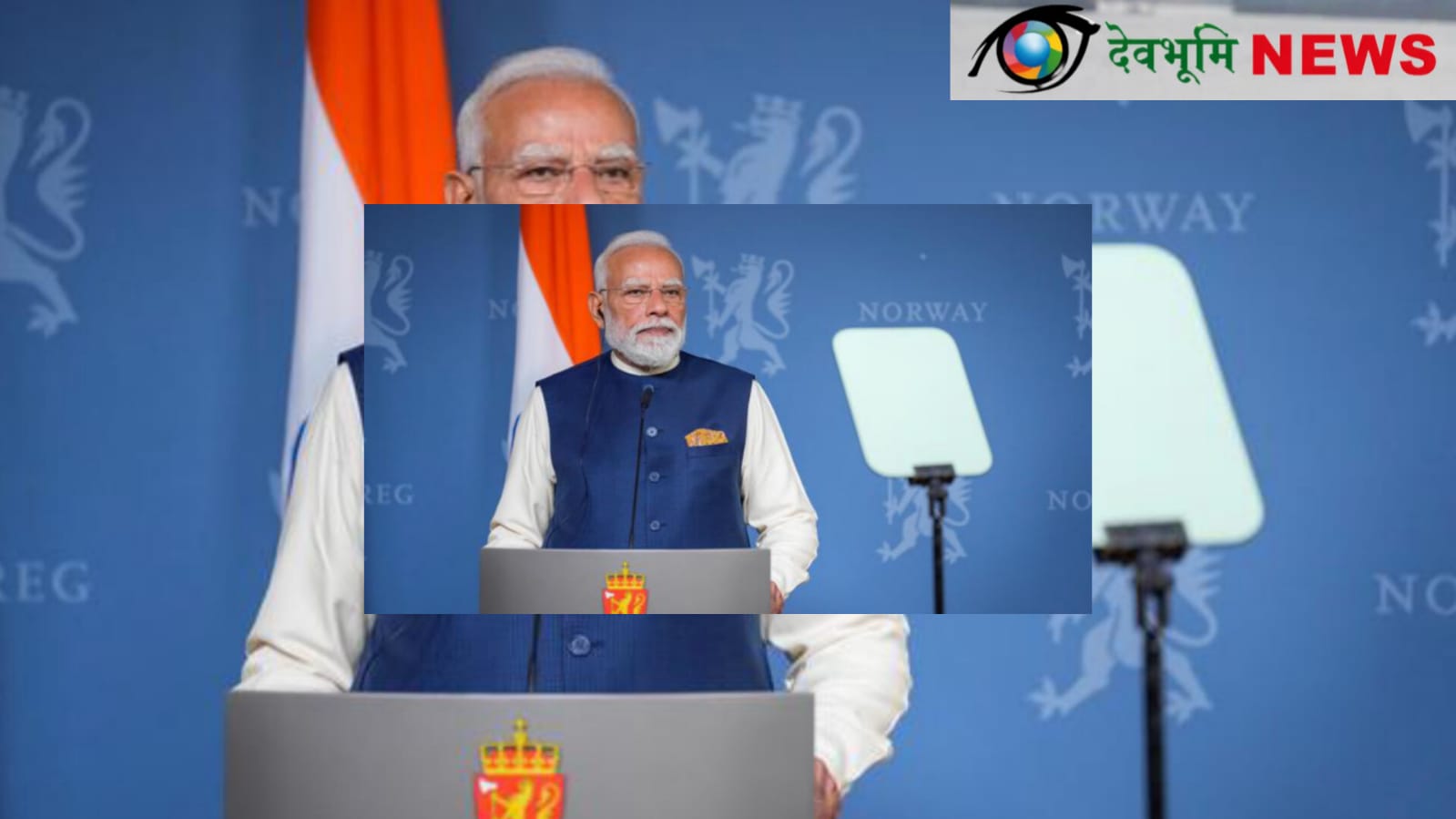
PM Modi is once again at the center of an international media debate after questions emerged in Norway regarding his decision not to hold a press conference during his recent visit to Europe.
This controversy follows similar criticisms in the Netherlands, where concerns about press freedom and minority rights in India were raised by journalists and political leaders. The Ministry of External Affairs (MEA) has defended the government’s approach, calling many of the criticisms “misunderstandings” about India’s democratic system.
PM Modi Norway Press Conference Controversy Gains International Attention
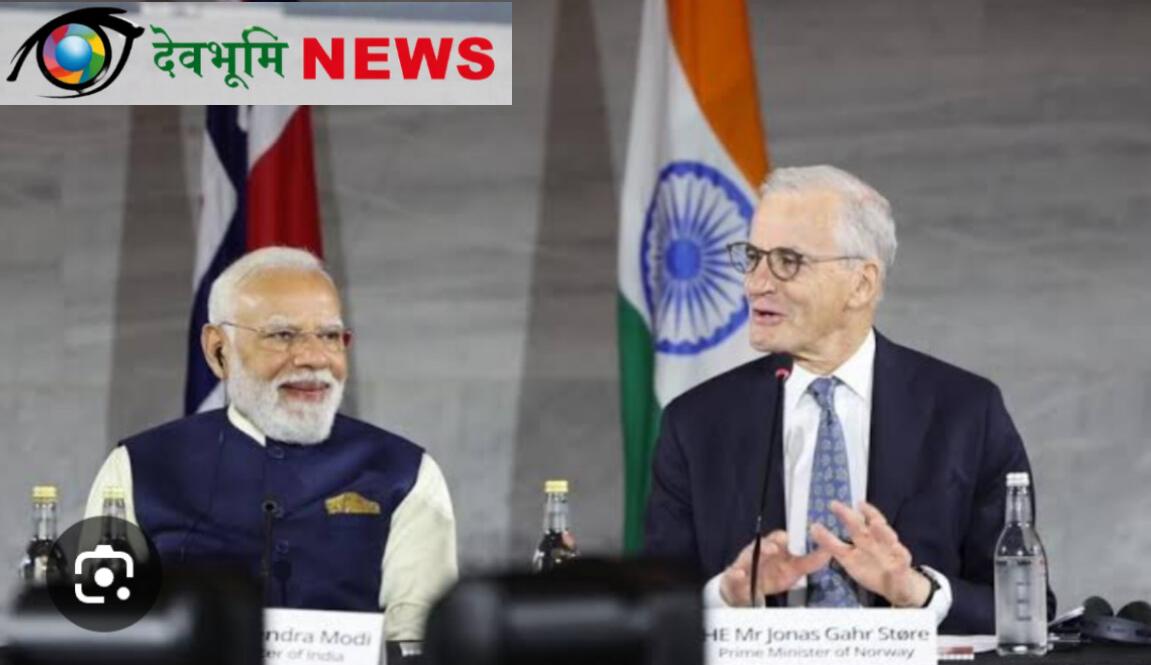
The PM Modi Norway press conference controversy intensified during the Prime Minister’s visit to Oslo, where a Norwegian journalist publicly questioned why the Indian Prime Minister avoids taking questions from the media.
Reports suggest the journalist asked why Modi would not “take questions from the freest press in the world,” referencing Norway’s high global ranking in press freedom indexes.
The incident quickly gained traction online and reignited discussions about transparency, media interaction, and the Indian government’s communication strategy during foreign visits.
Critics argue that avoiding open press conferences creates concerns about accountability, while supporters say the Prime Minister’s diplomatic engagements should remain focused on policy and bilateral cooperation rather than media confrontations.
Netherlands Press Conference Issue Triggered Broader Debate
The current debate began during PM Modi’s visit to the Netherlands, where Dutch Prime Minister Rob Jetten reportedly expressed concerns regarding press freedom and minority rights in India before meeting Modi.
Dutch journalists later raised these issues during an official media interaction.A Dutch journalist questioned why there was no joint press conference involving both leaders, which is traditionally common during high-level diplomatic visits in the Netherlands.
The question also referenced concerns over the treatment of minorities and media freedom in India.
The issue quickly became a major talking point in international media coverage of Modi’s European tour, overshadowing discussions related to trade, technology cooperation, and strategic partnerships between India and European nations.
MEA Responds Strongly to Questions on Press Freedom
The Ministry of External Affairs strongly defended India’s democratic framework during the controversy.
MEA Secretary (West) Siby George rejected the criticism and described India as a vibrant democracy with deep civilizational values.George stated that many questions about India stem from a “lack of understanding” of the country’s diversity and democratic structure.He highlighted India’s religious diversity, electoral participation, and constitutional protections for all communities.
According to MEA officials, India remains one of the world’s most diverse democracies, where multiple religions coexist and democratic transitions happen peacefully through elections.The government also emphasized that India’s economic and political progress has been achieved through democratic means rather than authoritarian measures.
Narendra Modi Press Conference Debate Resurfaces Globally
The Narendra Modi press conference debate is not new.
Critics have frequently pointed out that Modi rarely participates in unscripted press conferences, especially during international visits. Observers note that the Prime Minister generally prefers structured media statements and controlled communication formats.
Supporters of the Prime Minister argue that this approach helps maintain diplomatic focus and avoids unnecessary controversies during crucial bilateral engagements.
They also claim that Modi communicates directly with the public through speeches, interviews, social media, and public outreach campaigns.
However, critics argue that avoiding direct media questioning weakens democratic accountability and limits opportunities for journalists to raise critical issues related to governance, minority rights, and press freedom.
Norway Journalist Modi Question Sparks Online Reactions
The Norway journalist Modi question quickly spread across social media platforms, where users debated both the journalist’s remarks and the Indian government’s response.
International media outlets highlighted the exchange as part of a broader conversation on democratic values and media freedom.
Some commentators praised the journalist for asking direct questions about transparency and accountability.Others criticized the framing of the question, arguing that foreign journalists often misunderstand India’s political and social complexities.
The online debate also reflected growing global attention on India’s media environment and democratic institutions.International press freedom rankings and human rights reports were widely shared during discussions surrounding the Norway and Netherlands incidents.
India Press Freedom Debate Continues Amid Diplomatic Visits
The India press freedom debate has become a recurring issue during Modi’s foreign visits.
International organizations and some Western governments have occasionally raised concerns regarding media independence, minority rights, and democratic practices in India.The Indian government, however, consistently rejects these allegations and maintains that India’s democratic institutions remain strong and independent.
Officials often point to India’s massive electoral participation, active judiciary, and diverse media ecosystem as evidence of democratic resilience.
Government representatives also argue that external criticism frequently ignores India’s scale, complexity, and cultural diversity.
According to the MEA, comparisons with smaller European democracies fail to account for India’s unique social and political realities.
Read more like this:
- उत्तराखंड में भीषण गर्मी और हीटवेव का अलर्ट, 22 मई तक लू चलने की चेतावनी
- SRH Qualifies for IPL 2026 Playoffs After Thrilling 5 wicket win over CSK
- Petrol-Diesel Prices Hike by 90 paisa per litre within a week raises Inflation Concern
PM Modi Europe Tour Overshadowed by Media Questions
Despite significant diplomatic achievements during the Europe tour, including discussions on trade, investment, defense cooperation, and technology partnerships, media questions on press freedom dominated headlines.
Political analysts say the controversy demonstrates how issues related to democratic governance and media freedom increasingly shape international diplomacy.As India’s global influence grows, scrutiny of its domestic policies and democratic institutions is also likely to intensify.
At the same time, India continues to strengthen ties with European countries through economic agreements, strategic cooperation, and geopolitical partnerships.
Diplomats on both sides appear keen to prevent media controversies from affecting broader bilateral relations.
Conclusion: PM Modi Norway Press Conference Row Reflects Larger Global Debate
The PM Modi Norway press conference row highlights the growing international focus on transparency, democratic accountability, and media freedom during high-profile diplomatic visits.
While the Indian government strongly defends its democratic credentials, critics continue to question the absence of open press interactions involving the Prime Minister.
The controversy in Norway, following the Netherlands episode, has once again brought global attention to India’s media landscape and the government’s communication approach.
Whether these debates influence India’s international image remains to be seen, but they have clearly become a recurring theme in global discussions surrounding Prime Minister Narendra Modi’s leadership and India’s democratic future.