Join
Join
 Shorts

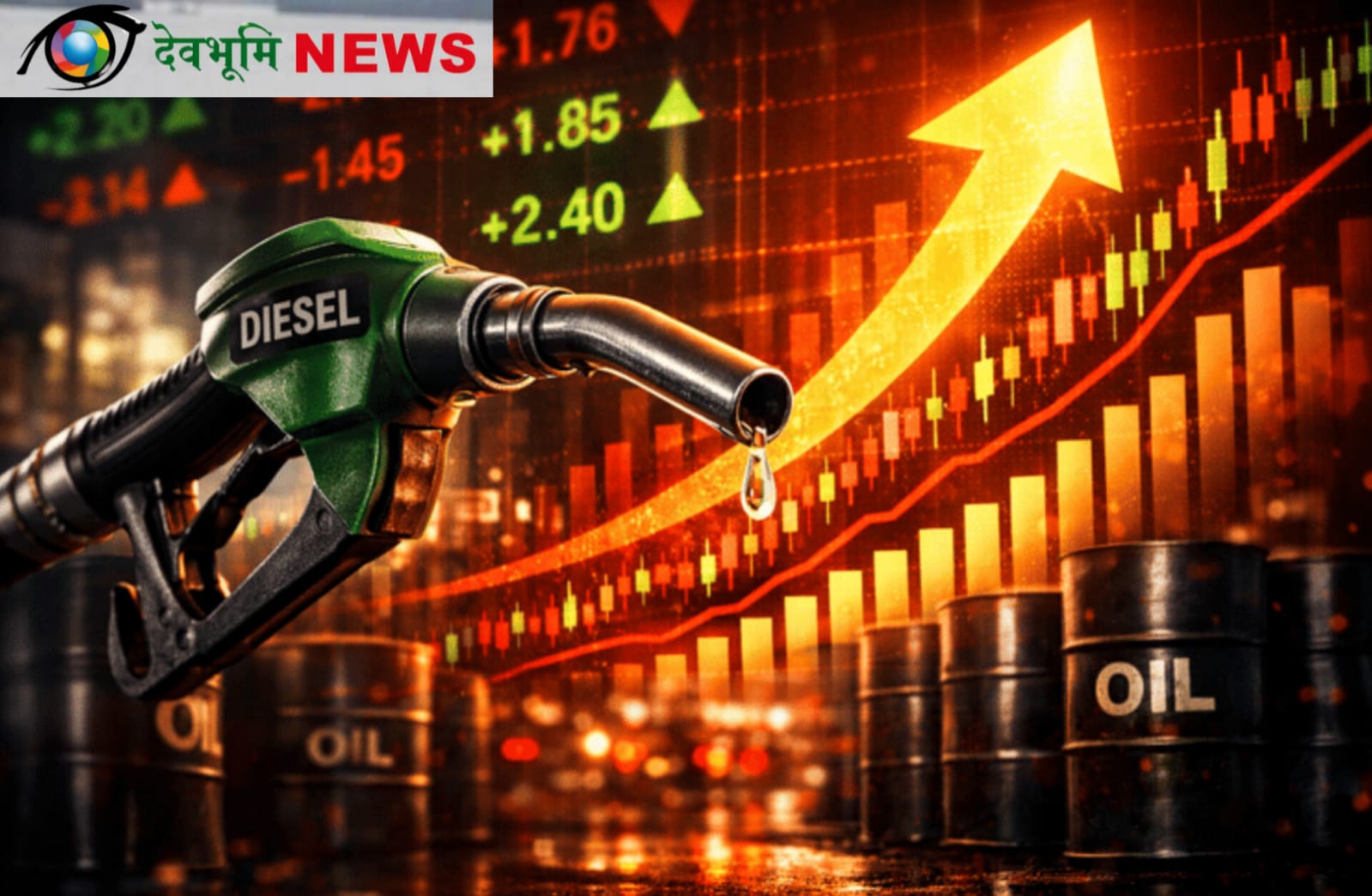
India experienced another significant rise in fuel prices as petrol and diesel rates increased by nearly 90 paise per litre. This marks the second fuel price adjustment within a week, raising worries about inflation, transportation costs, and household expenses. Reports indicate that oil marketing companies raised fuel prices due to increasing global crude oil prices and tense situations in the Middle East.
Petrol and diesel prices have gone up again, causing fuel costs to rise across major metropolitan cities like Delhi, Mumbai, Kolkata, and Chennai.
In Delhi, petrol prices reached ₹98.64 per litre, while diesel crossed ₹91.58 per litre after the latest adjustment. This follows a previous ₹3 per litre increase announced just days ago, making this the second major fuel price change in less than a week.
The continuous rise in petrol and diesel prices is likely to affect daily commuters, transport businesses, and industries relying on fuel-based logistics.
Analysts believe that if global crude oil prices stay high, consumers may face more fuel price hikes in the coming weeks.
Why petrol and diesel prices are increasing in India
The main reason for the petrol and diesel price increase is the rise in international crude oil prices.
Global oil markets have been unstable due to geopolitical tensions and disruptions in crude oil supply routes. Reports show that crude oil prices recently crossed $120 per barrel, leading Indian oil marketing companies to adjust retail fuel prices.
India imports about 85% of its crude oil, making domestic fuel prices highly sensitive to international market changes.
Experts note that the depreciation of the Indian rupee against the US dollar has also added to rising import costs, increasing pressure on fuel retailers.
Another key reason for the fuel price hike is the financial strain on state-run oil marketing companies such as Indian Oil Corporation, Bharat Petroleum Corporation, and Hindustan Petroleum Corporation.
Reports indicate that these companies incurred heavy losses each month because fuel prices were frozen despite rising crude oil costs.
Impact of petrol and diesel price hike on inflation and the economy
The latest petrol and diesel price increase is expected to directly affect inflation in India.
Higher fuel prices typically lead to increased transportation and logistics costs, which eventually raise the prices of everyday goods, food items, and consumer products.
Economists warn that repeated fuel price hikes could reduce consumer spending and lower disposable income for middle-class households.
Sectors like agriculture, manufacturing, delivery services, and public transportation are likely to see higher operational costs.
The inflationary effects of rising fuel prices may also push businesses to pass on extra costs to consumers.
This could result in increased retail inflation in the coming months, especially if global crude oil prices remain unstable.
Petrol and diesel price hike may increase transportation costs
One of the immediate effects of the petrol and diesel price increase will be higher transportation costs across India.
Cab services, trucking companies, bus operators, and logistics firms are expected to raise fares and freight charges due to increased fuel expenses.
Delivery-based industries, including food delivery and e-commerce platforms, may also face cost pressures.
Reports indicate that gig workers and transport unions have already expressed concerns over declining profit margins following the recent fuel price increases.
Public transport systems in several states could encounter operational issues if fuel prices continue to rise.
State governments may eventually consider fare adjustments for buses and local transport services.
Global crude oil prices driving petrol and diesel price hike
Global crude oil prices are the biggest factor behind the current petrol and diesel price increase in India.
Ongoing geopolitical instability in West Asia and disruptions in oil supply chains have caused uncertainty in international energy markets.
Experts believe that if tensions persist and crude oil prices remain above $100 per barrel, Indian consumers may face further increases in petrol and diesel prices.
Since fuel pricing in India is tied to global oil benchmarks, any sustained rise in crude oil prices directly affects domestic retail fuel rates.
Market analysts also mention that India had delayed fuel price revisions for months despite rising international oil prices.
This delay caused oil marketing companies to absorb significant financial losses, making the latest fuel price adjustments inevitable.
How petrol and diesel price hike affects common citizens
The latest petrol and diesel price increase is likely to affect millions of Indian households already dealing with rising living costs.
Daily commuters using private vehicles will face higher fuel expenses, while increased transportation costs may eventually make groceries and household goods more expensive.
Small businesses that rely on transportation and delivery services are expected to see reduced profit margins.
Farmers may also face higher operational costs due to increased diesel prices used in irrigation pumps and agricultural machinery.
For salaried individuals and middle-income families, repeated fuel price hikes can significantly impact monthly budgets.
Consumers may need to cut back on non-essential spending as transportation and utility expenses continue to rise.
Read more like this:
- Panchayat Season 5 Release Date 2026: Massive New Update Every Fan Must Know
- हरिद्वार को बम से उड़ाने की धमकी देने वाला आरोपी गिरफ्तार, नशे में कर बैठा था हरकत
- NEET-UG Paper Leak Case: CBI Arrests RCC Founder Shivraj Motegaonkar in Major Crackdown
Government and oil companies respond to fuel price hike
Government officials have stated that fuel price revisions are necessary to maintain stability in the energy sector and reduce losses faced by oil marketing companies.
Reports indicate that state-owned fuel retailers have been under severe financial pressure due to high global crude oil prices.
Oil companies claim that fuel pricing decisions are influenced by international crude oil rates, exchange rate fluctuations, transportation costs, and taxation policies.
Experts believe that unless crude oil prices stabilize globally, fuel prices in India may remain volatile.
Conclusion: Petrol and diesel price hike signals tough times ahead
The latest petrol and diesel price increase of nearly 90 paise per litre has once again shown India’s vulnerability to global crude oil price fluctuations.
As fuel prices rise, inflation concerns are expected to grow, affecting households, businesses, and transportation sectors nationwide.
With this being the second fuel price hike within a week, consumers are growing worried about the possibility of further increases in petrol and diesel prices.
The coming weeks will largely depend on global crude oil trends, geopolitical developments, and government decisions regarding fuel taxation and subsidies.