Join
Join
 Shorts

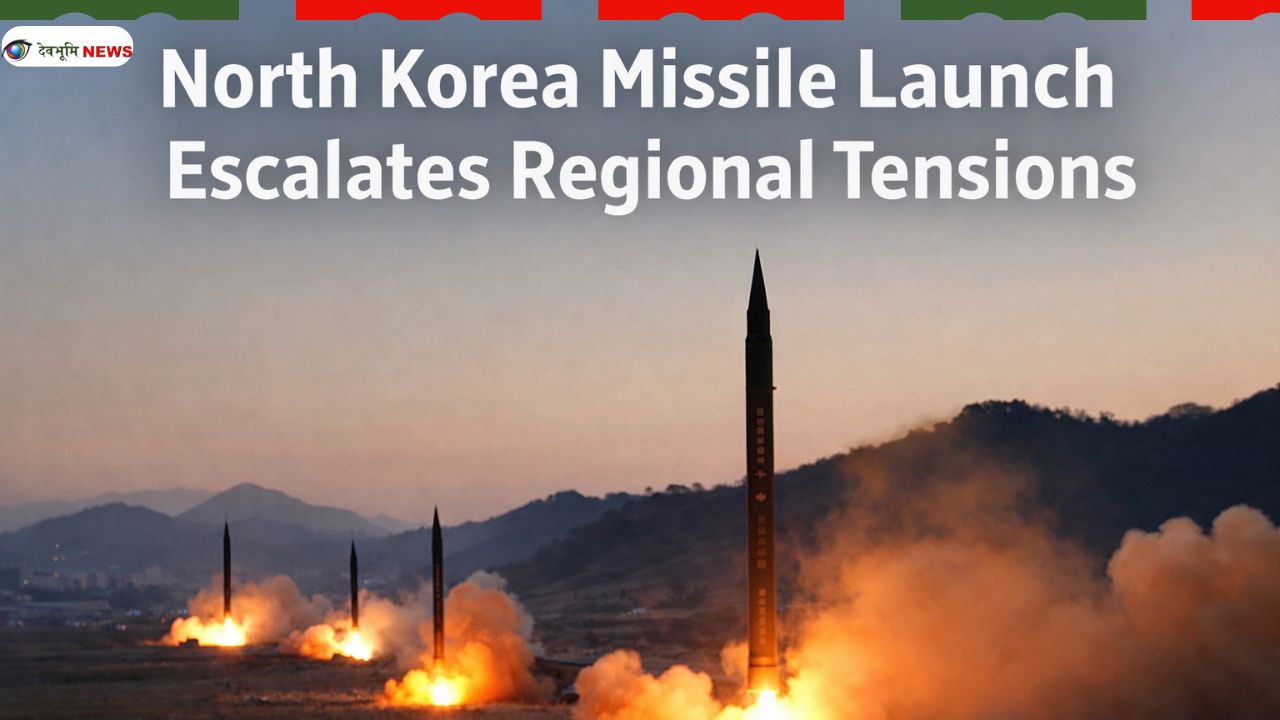
North Korea Missile Launch: A move that has increased tensions in the region, North Korea missile launch activity was reported Sunday as the nation launched a number of ballistic missiles with short range towards its waters to the east. The launches occur just a few days after the world’s nuclear watchdog officials warned of major developments in Pyongyang’s nuclear program.
According to the South Korean military the missiles were launched from the coastal eastern city Sinpo and traveled around 140 km. The authorities from South Korea confirmed that their defense forces are fully ready to react to any threats, and are closely cooperating with the United States and Japan.
Emergency Response and Regional Reactions
In the wake of the North Korea missile launch, South Korea convened an emergency National Security Council meeting. Officials strongly condemned the recurrent missile tests and demanded Pyongyang to cease its ballistic actions immediately.
The United States Indo-Pacific Command reaffirmed it’s commitment to protect its allies and homeland, while Japan has lodged a protest in force and called the missile launches in contravention of U.N. Security Council resolutions which prohibit the development of ballistic missiles by North Korea.
Read Also: Strait of Hormuz on Edge as Iran Rejects US Negotiations
Submarine Launch Possibility Raises Alarm
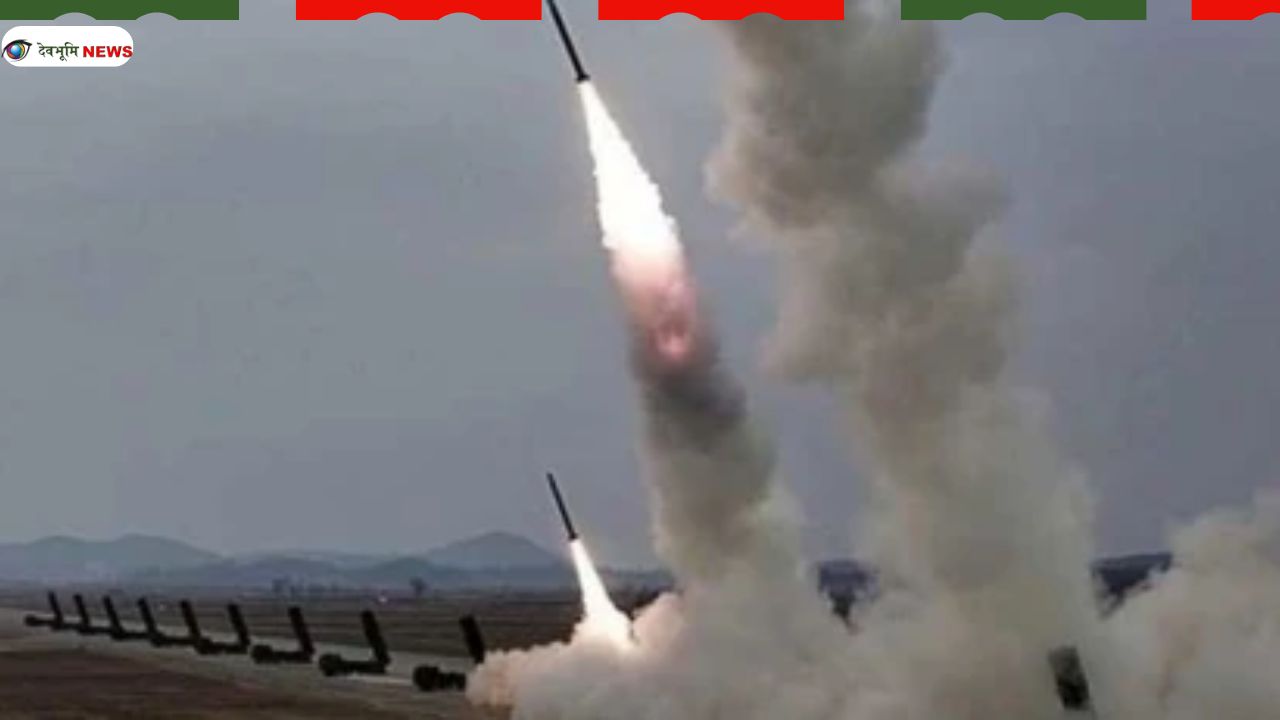
The military analysts currently assessing if it was a North Korea missile launch included submarine-based systems. If the launch is confirmed, it will be the first submarine-launched ballistic missile test conducted by North Korea in four years.
This is especially worrying because underwater missile launches can be difficult to identify and block. Sinpo is a well-known large shipyard, which is where North Korea develops submarines, which included a nuclear-powered model that was revealed in the last year.
Ongoing Weapons Testing Strategy
The most recent North Korea missile launch is part of a larger pattern of increasing the number of testing of weapons. Recently, North Korean leader Kim Jong Un oversaw missile tests by a destroyer vessel of the navy. The earlier tests featured ballistic missiles armed with cluster bomb warheads, as well as engines that are upgraded and capable of hitting an U.S. the mainland.
Experts believe that these ongoing tests are intended to increase North Korea’s military capabilities and increasing the influence in any future diplomatic talks.
Diplomatic Tensions and Strategic Timing
The resumption of North Korea missile launch activities are occurring amid shifting diplomatic tensions. Following the disintegration of nuclear talks in the year 2019 among Donald Trump and Kim Jong Un Both parties have occasionally shown an openness to dialogue, but key differences remain in the area of nuclear disarmament.
With Trump likely to have a conversation with Xi Jinping in Beijing next month, some analysts believe it is possible that the actions of North Korea may be a deliberate attempt to boost bargaining power prior to future talks.
Read Also: Indian Tanker’s Distress Call After ‘Clearance’: Tensions Escalate in Strait of Hormuz
Nuclear Program Expansion Raises Global Concern
To add to the urgency, International Atomic Energy Agency Director General Rafael Grossi recently reported a “rapid increase” in nuclear-related activities in North Korea.
Evidence suggests that there is an expansion of The Yongbyon nuclear complex as well as the operation of numerous enrichment facilities for uranium. These developments point to a major increase in the production of nuclear weapons in North Korea. capacity.
Conclusion:
The most recent North Korea missile launch raises tensions between the geopolitical world as well as the country’s rapidly growing weapon program. With advances in nuclear technology and missile technology this situation poses an ever-more complex security threat for the region as well as all of the global community. Continuous monitoring of diplomatic efforts and strategic coordination are crucial to combat this growing threat.