Join
Join
 Shorts

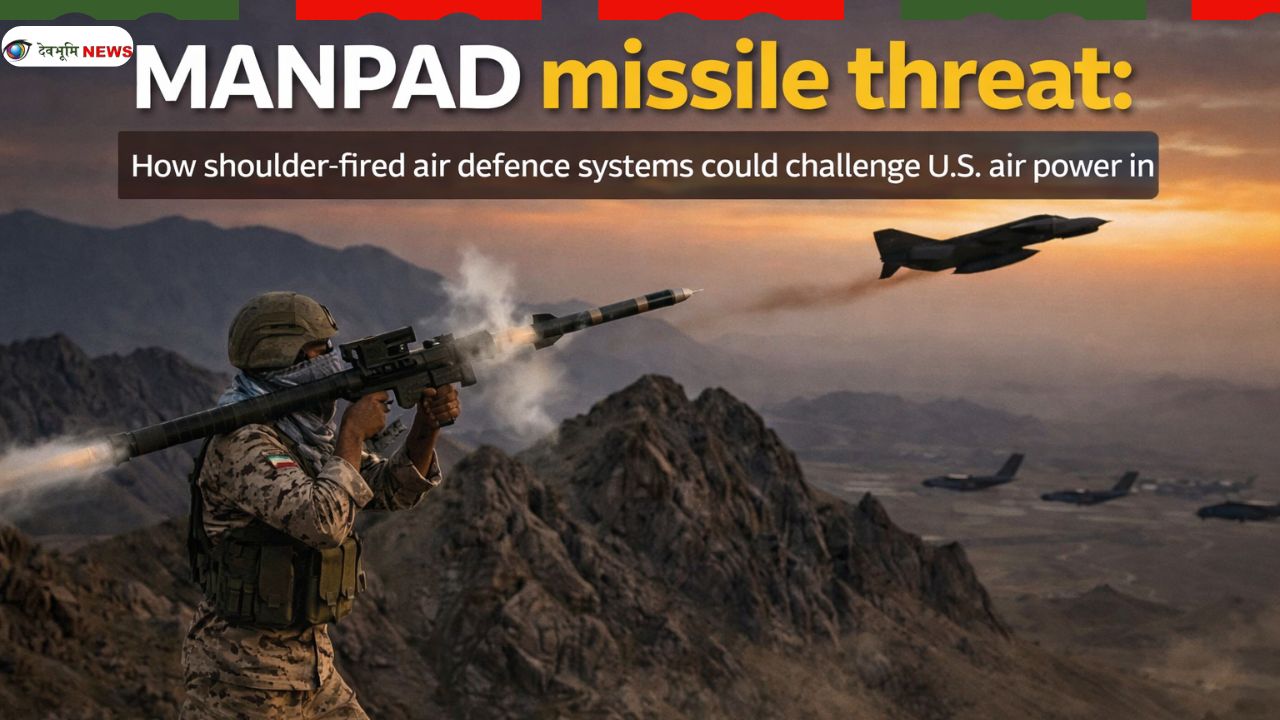
Shoulder-Fired Missiles Could Complicate U.S. Air Power in Iran: A growing concern in the evolving Iran conflict is the potential impact of MANPADs–man-portable air defence systems–on U.S. air operations. These missiles that fire from the shoulder, although fairly simple, may represent a significant risk for American aircraft, particularly when the conflict is extended and includes ground operation.
What Are MANPADs?
MANPADs are lightweight, shoulder-launched missile systems that are designed to attack aircraft. They’re usually guided by infrared sensors which are able to detect the engine’s heat signatures however some models employ lasers or lines-of-sight to guide them.
The benefits are obvious:
- It is easy to transport and store away.
- The operation can be performed by one individual
- No reliance on radar, making detection difficult
- Effective against aircraft that fly low.
But, they do have their limitations. The majority of MANPADs have a range of 4-5 km and are not effective against long-range or high-altitude strike missions.
Read Also: US Israel Iran war update:US sends more Armed Forces into Middle East, Israel Strikes Lebanon again
Why They Matter
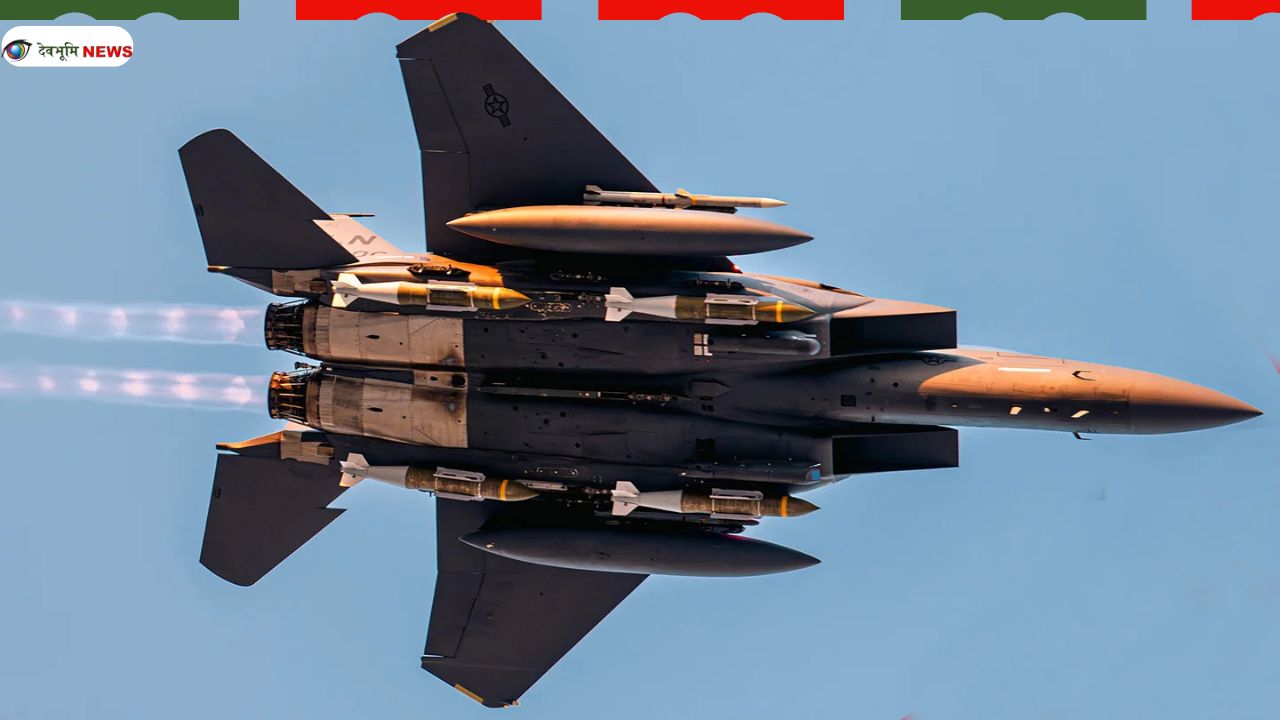
Presently, U.S. air operations heavily rely on high-altitude attacks to keep aircraft away from MANPAD range. However, the situation is drastically different when ground troops are involved.
For close-air support, it is necessary for aircrafts to fly slower, lower and more close to the targets, precisely the conditions that the MANPADs work best. In such situations the risk for pilots is significantly increased.
In addition, Iran’s terrain – marked by rugged terrain and mountains – provides an ideal location for dispersed missile teams. This makes it more difficult to U.S. forces to locate and counter threats, thereby affecting efforts to thwart air Defenses of enemies (SEAD).
Allegations of Foreign Support
There are reports that aren’t confirmed by intelligence sources that suggest Iran might receive more than 1,000 MANPADs which could be coming from China via indirect channels. The focus has been on models such as those of QW-2 and QW-18 Infrared-guided systems that have moderate range.
China denies any involvement, and called the claims fake. U.S. officials have also admitted that there isn’t conclusive evidence for recent transfer or use of MANPADs made by China in the war.
But, broader concerns remain regarding indirect support. According to reports, Iran might have utilized satellite-based intelligence that was that was linked with Chinese systems to identify U.S. positions. There are also reports claiming – again unsubstantiated–that the technical knowledge of foreign sources helped in the success of attacks on aircrafts with advanced technology.
Read Also: Sonia Sotomayor Apologizes to Brett Kavanaugh Amid Supreme Court Tensions
A Shifting Risk Landscape
Without external aid, Iran already possesses MANPAD capabilities. The widespread use of MANPAD could alter the battlefield in the event that the war escalates.
As of now, U.S. forces retain an advantage in the air. If the strategy shifts towards ground combat, mobile aerial defences could turn into an important element, forcing changes in tactics and posing greater operational risks.
In the modern war even weapons that are relatively basic can have a huge impact when employed efficiently.
Conclusion:
The MANPADs might not be as sophisticated defense systems for air, however their simplicity, mobility and efficacy at low altitudes makes them an important element in the modern war on terror.
As of now, U.S. air superiority remains in place, due largely to operations at high altitude that are out of the reach the systems. However, the situation alters if the war shifts towards ground battles, when aircraft are required to operate close to battlefields.
In that case, MANPADs can increase risk as well as complicate the planning of missions and require tactical adjustments. No matter if or not new materials are imported from outside their presence alone demonstrates the importance of this that even low-cost weapons are able to significantly hinder advanced capabilities of military when employed strategically.