Join
Join
 Shorts

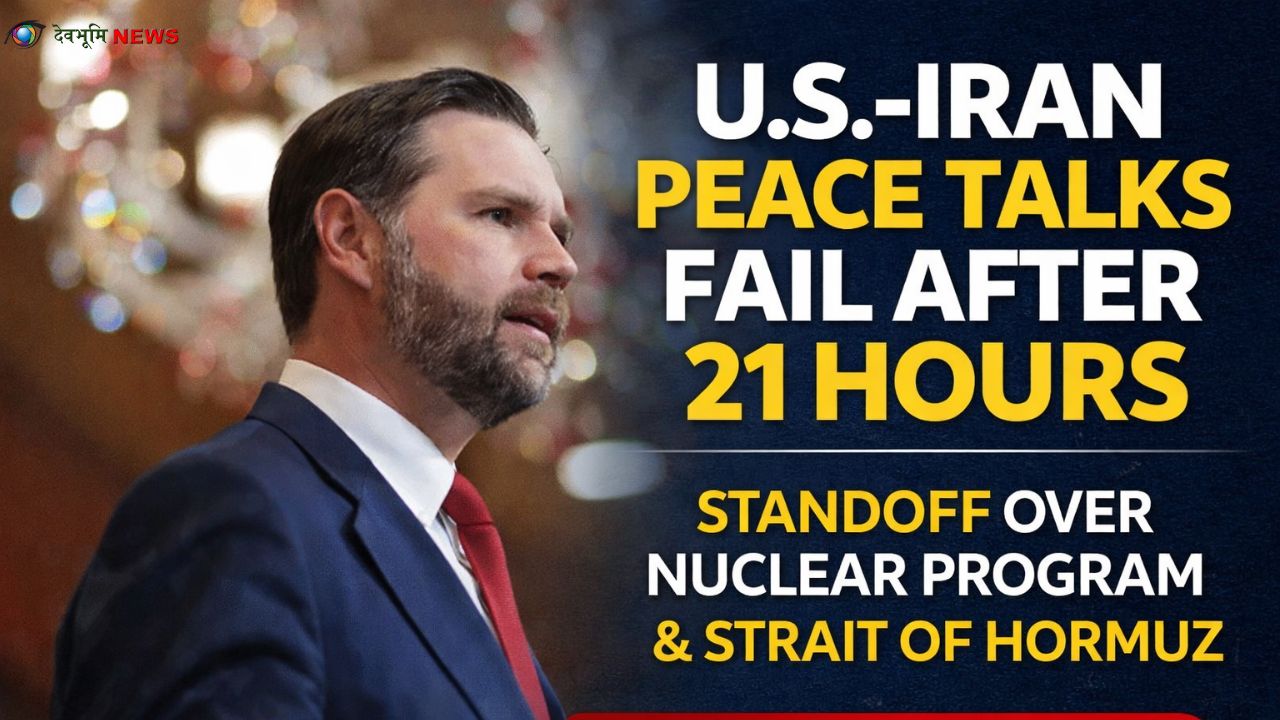
Stalemate Over Nuclear Program and Strait of Hormuz Continues to Leave Conflict Unresolved
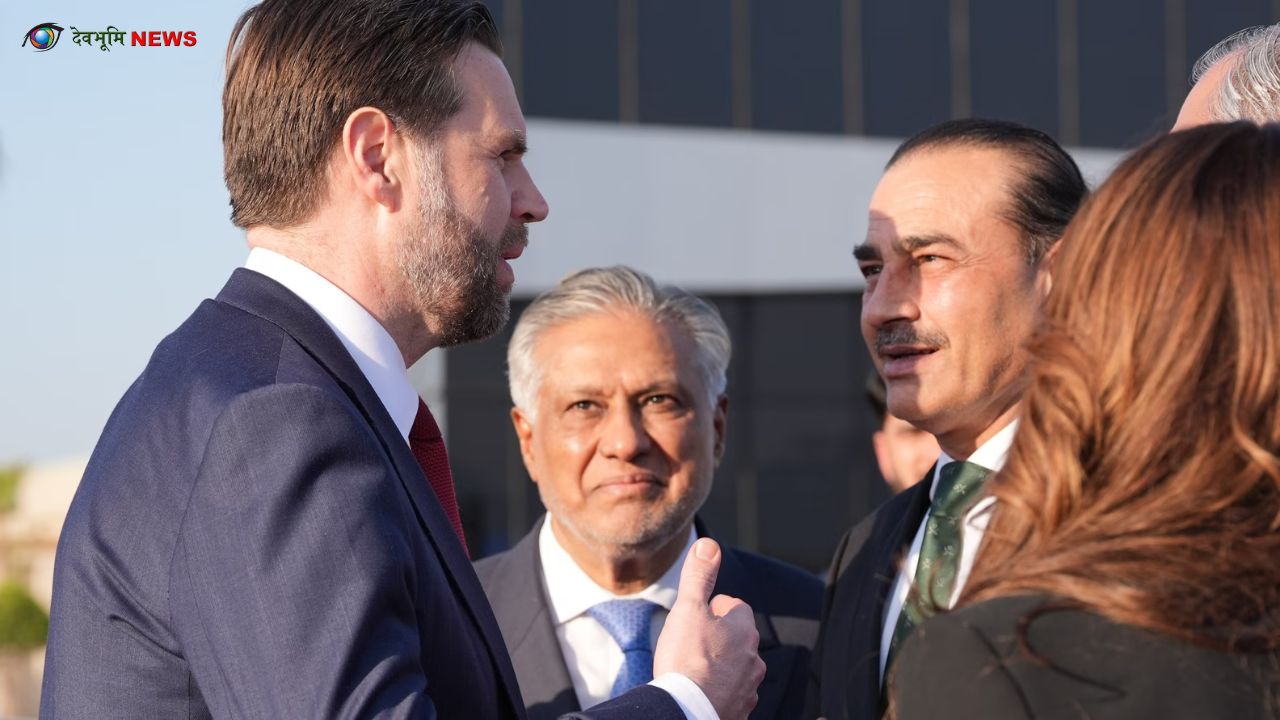
U.S.–Iran Talks Discussions between Iran and the United States and Iran aimed at settling the six-week conflict came to an end without agreement on Sunday after nearly 21 hours of uninterrupted talks in Islamabad, Pakistan.
As the head of the U.S. delegation, Vice President J. D. Vance confirmed the impasse, saying that Iran was refusing to agree with Washington’s demands
He stated that the primary goal for the U.S. remains unchanged—ensuring Iran doesn’t develop nuclear weapons or can do it quickly.
Principal Points of Difference
U.S.–Iran Talks stalled due to two main concerns:
-
The control of the Strait of Hormuz
-
It is Iran’s legal right to explore nuclear energy
Iranian state media have stated the fact that Tehran insists on retaining control over the crucial Strait while also preserving its right to enrich nuclear material to serve peaceful ends.
Meanwhile, reports indicate that the U.S. has made the following demands:
-
Opening of the Strait for international oil trade
-
The strictest restrictions on Iran’s military and nuclear capabilities
Strategic Importance of the Strait of Hormuz
The Strait of Hormuz is still at the heart of the war. Before the war, almost 20 percent of the world’s oil supply traversed this slender waterway.
-
Iran has effectively limited the movement of tankers since the war began.
-
The U.S. has initiated operations to restore the flow of maritime traffic
-
U.S. naval vessels have already been in the region to ensure access.
Despite all this, Iranian officials warned that foreign vessels could be subject to military retaliation if it is decided to move without permission.
Political and Military Tensions Continue
Extensive U.S.-Israeli strikes on 28 February triggered the unrest that followed. A ceasefire that lasted for two weeks allowed for diplomatic engagement; however, the conflict remains unresolved.
Human Cost of the Conflict
The ongoing conflict has caused many losses across the region:
-
Iran: Over 1,700 civilians killed, including 250+ children
-
Lebanon: More than 2,000 people have died in Israeli airstrikes
-
Gulf countries: At least 32 deaths from Iran-linked attacks
-
Israel & U.S.: Multiple casualties, including American service members
These numbers highlight the urgency of a diplomatic resolution.
Who Was Involved in the Talks?
High-level negotiations featured prominent diplomats and politicians:
United States Delegation
-
J. D. Vance (Lead negotiator)
-
Steve Witkoff
-
Jared Kushner
-
Senior National Security Advisors
Iranian Delegation
-
Mohammad Bagher Qalibaf
-
Abbas Araghchi
-
A team of more than 70 experts in the diplomatic, military, and economic fields
What Each Side Wants
Iran’s Needs
-
The removal from U.S. sanctions
-
Freezing of the frozen asset
-
Control continues to be maintained on the Strait of Hormuz
-
Recognizing its nuclear programs for use in a peaceful manner
-
Stopping Israeli army operations in Lebanon
U.S. Proposal
-
Rigorous limits to Iran’s nuclear program
-
The reduction of military capabilities
-
The restoration of navigation for free in the Strait of Strait
-
Regional security assurances that are more extensive
What Happens Next?
Despite the inability to reach the agreement that was needed, Iran declared that the negotiations aren’t over, noting that talks will continue despite “remaining disagreements.”
U.S.–Iran Talks But no timetable was announced for the next set of negotiations.
The outcome of any discussions could have profound implications, not just for stability in the region, but also for the global energy market and diplomacy on the international stage.
Read Also: Israel–Iran War. LIVE: High-Stakes Islamabad Talks Mark ‘Make or Break’ Moment for Peace
Conclusion:
U.S.–Iran Talks The Islamabad talks were the biggest diplomatic interaction between the U.S. and Iran in many years, yet they concluded without a resolution. Both sides are firmly defending their positions on crucial questions, such as nuclear policy and the control of important transportation routes for trade, and the way towards peace is still unclear.
As tensions rise and military activity continues to escalate, the world is watching attentively, conscious that the risks go further than those of the Middle East.