Join
Join
 Shorts

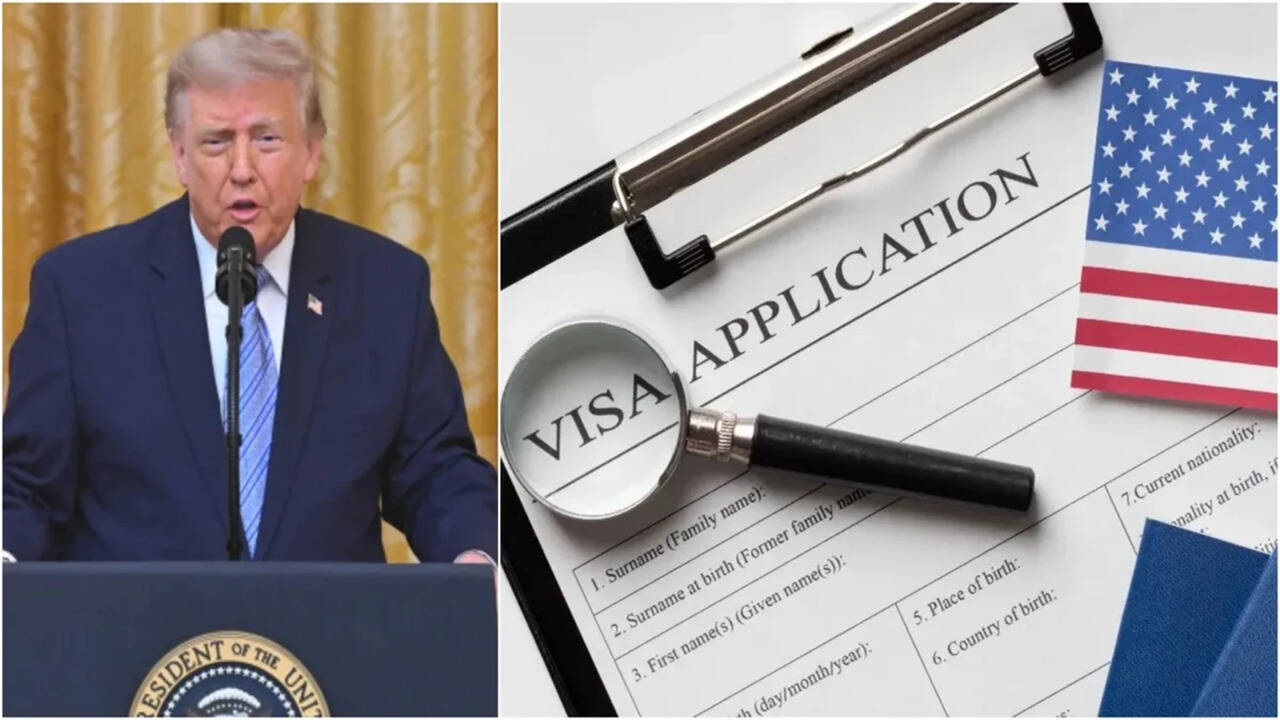
The United States intensified its immigration crackdown by suspending several major technology companies, including Tata, Wipro, Infosys, Cognizant, Capgemini and HCL, from the Permanent Labour Certification (PERM) programme. The development has created uncertainty among Indian IT professionals who hope to build long-term careers in the United States.
According to a report , the move comes amid growing concerns within the US administration about the alleged misuse of employment-based visa programmes and the hiring of foreign workers at the expense of American employees.
What Is the PERM Programme?
The Permanent Labour Certification programme, commonly known as PERM, is an important step in the US employment-based green card process. It allows eligible employers to seek permission to hire foreign workers permanently for specific positions.
Under the programme, employers generally need to demonstrate that there are not enough qualified, willing and available American workers for the job. They must also establish that employing a foreign worker will not negatively affect the wages and working conditions of similarly employed US workers.
After receiving labour certification from the US Department of Labour, an employer can generally proceed with an immigrant petition through US Citizenship and Immigration Services. This process can eventually help an eligible foreign employee obtain permanent residency, commonly known as a green card.
Therefore, suspension from PERM can create a significant obstacle for companies seeking to sponsor foreign employees for permanent residence.
Why Are Indian IT Companies Affected?
The US administration has increased its scrutiny of companies that depend heavily on international talent. Indian technology companies have a substantial presence in the American market, providing services in software development, cloud computing, consulting, cybersecurity and digital transformation.
Companies such as Tata Consultancy Services, Wipro, Infosys and HCL employ professionals who support American businesses across several industries. Many employees travel to the United States through employment-based visa programmes, including the H-1B visa system.
US Vice President JD Vance has criticised companies over their employment practices. He cited Microsoft as an example, alleging that it had laid off thousands of American workers while benefiting from thousands of H-1B visas and green cards.
The administration argues that immigration programmes should help employers access specialised talent without allowing businesses to undermine opportunities or wages for American workers.
However, allegations of misuse should not automatically be interpreted as proof that every affected company has violated immigration laws.
What Does the Suspension Mean for Employees?
The immediate concern for Indian professionals is the potential delay or disruption of their green card plans.
Many skilled workers move to the United States for employment opportunities and spend years building their careers there. Permanent residency can provide greater long-term stability, making it easier to plan their future, support their families and pursue career opportunities.
If an employer cannot proceed with the PERM process, affected employees may face uncertainty about when their green card applications can move forward. Some workers may need to reconsider their long-term career plans or explore opportunities with other employers, subject to applicable immigration rules.
The suspension does not automatically mean that every employee’s existing visa has been cancelled or that all foreign workers must leave the country. Its specific consequences depend on the applicable restrictions, the employee’s immigration status and the stage of the individual’s application.
Workers should therefore seek guidance from qualified immigration professionals before making decisions about employment, travel or residency.
Wider Impact on the Technology Industry
The development could also affect American businesses that depend on international technology professionals. Indian IT companies play an important role in supplying skilled workers and delivering technology services to US clients.
Additional immigration restrictions may increase administrative costs, complicate workforce planning and make it harder for companies to retain experienced employees. Businesses could respond by hiring more workers locally, expanding operations in other countries or changing how they deliver services.
At the same time, stricter enforcement may encourage employers to review their recruitment practices, documentation and compliance procedures more carefully.
The proposed policy direction also highlights the growing importance of immigration regulations in global technology employment. Companies may increasingly need to consider visa eligibility and permanent residency options when planning international assignments.
Read more like this:
- Gas Leak Triggers Fire at IIT Bombay Hostel, 5 Injured
- CJP Protest Live Updates: CJP के विरोध प्रदर्शन के बीच बड़ा असर, नई दिल्ली और हजरत निजामुद्दीन पहुंचने वाली मेल-एक्सप्रेस ट्रेनों पर रद्द होने की खबर
Conclusion
The suspension of major IT companies from the PERM programme marks a significant development in the United States’ evolving immigration policy. For Indian technology professionals, it raises concerns about green card sponsorship, career stability and long-term opportunities in America.
For businesses, the decision could create fresh challenges in hiring and retaining international talent. For the US administration, it reflects an effort to prioritise domestic workers and strengthen oversight of employment-based immigration.
The final impact will depend on the scope and duration of the suspensions, any subsequent government clarification and the options available to affected employers and employees.
Until more details emerge, Indian professionals should stay informed through official US immigration announcements and consult qualified experts about their individual circumstances. The situation serves as a reminder that immigration policy can significantly influence international careers, corporate recruitment and the future of the global technology industry.