Join
Join
 Shorts

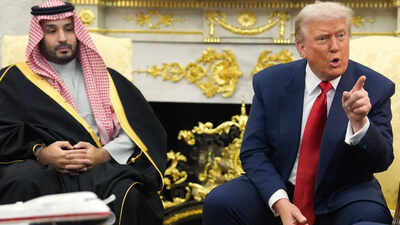
US President Donald Trump reportedly moved closer to authorising military action against the Iran-backed Houthi movement in Yemen before reversing his decision. The reported episode highlights the competing security, diplomatic and military considerations facing Washington as tensions grow across the Middle East.
According to reports ,Trump spent nearly two weeks weighing whether the United States should join Saudi Arabia in its renewed confrontation with the Houthis. The decision reportedly shifted following calls from Saudi Crown Prince Mohammed bin Salman, who urged American military assistance.
The developments show how quickly military planning can change, even after operational preparations have advanced.
Targets Approved and Bombs Prepared for Military Action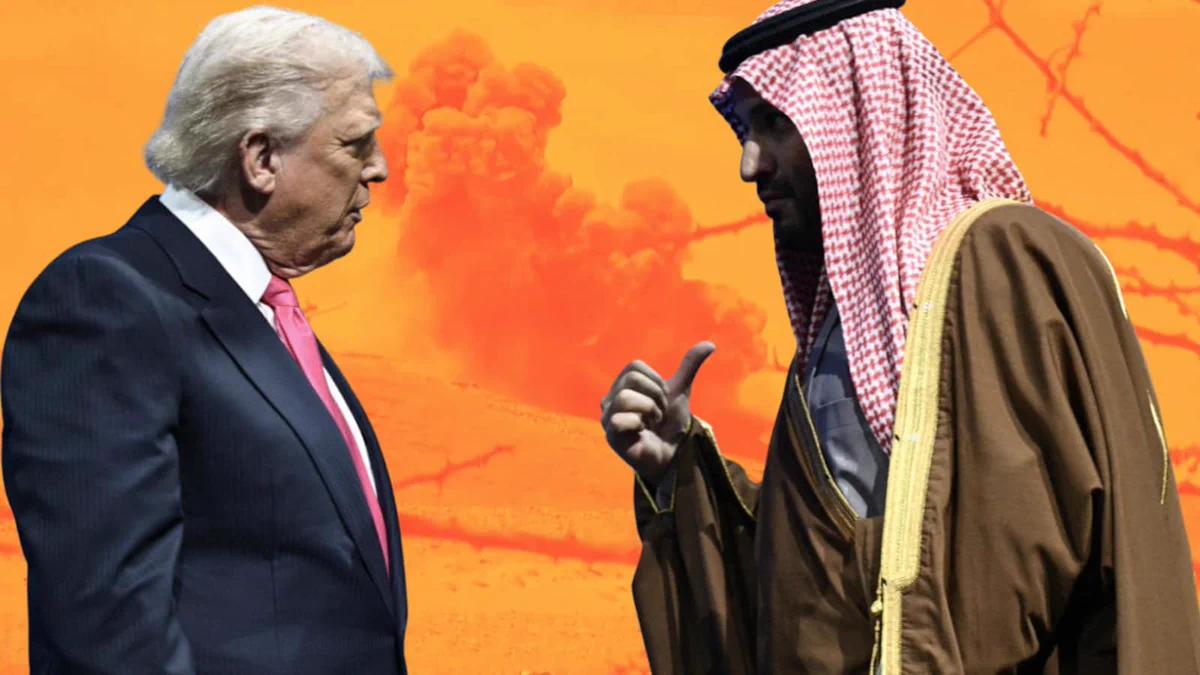
Reports indicate that the Pentagon had prepared target lists and that military personnel were loading bombs onto aircraft selected for the proposed operation. These preparations suggested that a new wave of airstrikes against Houthi positions could begin soon.
The Houthis, an Iran-aligned armed group controlling significant territory in Yemen, have been involved in regional military confrontations and attacks affecting shipping routes. Their activities have created security concerns for Saudi Arabia and other countries operating in the Red Sea region.
Despite the reported preparations, Trump ultimately placed the strikes on hold. The White House did not publicly provide a detailed explanation of the president’s deliberations.
A senior administration official reportedly referred to the United States’ defence relationship with Saudi Arabia and Washington’s commitment to protecting its allies.
Why Did Trump Reconsider the Military Operation?
One major consideration was the risk of opening another military front while US forces were already engaged in the wider conflict involving Iran. A fresh campaign against the Houthis could increase operational demands on American forces and create additional regional risks.
Another question concerned the effectiveness of airstrikes. Military action could damage Houthi infrastructure, but it would not necessarily guarantee that the group would abandon its attacks or lose its military capabilities.
The reported hesitation also reflects the broader challenge of responding to an ally’s security concerns without creating a prolonged conflict. Saudi Arabia has sought American support against the Houthi threat, while Washington must weigh the possible consequences of direct intervention.
These considerations help explain why a military operation could move from planning to postponement, although the specific reasons behind Trump’s decision have not been fully disclosed.
US Military Campaign Against Houthis in 2025
The reported decision comes after an earlier American bombing campaign against the Houthis in 2025. According to the reporting, the United States conducted more than 50 days of strikes, hitting over 1,000 targets.
The campaign reportedly consumed substantial quantities of weapons and ammunition. Trump subsequently announced a ceasefire, saying that the Houthis had agreed to stop attacking ships.
However, the group has since rebuilt parts of its military capabilities, according to US officials cited in the reports. This raises questions about whether another bombing campaign would deliver lasting security benefits or merely produce a temporary reduction in threats.
The experience of the earlier campaign is therefore an important factor in assessing any proposed new operation.
Saudi Arabia’s Strategic Importance for Washington
Saudi Arabia occupies a significant position in American Middle East policy because of its security partnerships, energy importance and regional influence. The kingdom’s confrontation with the Houthis creates pressure on Washington to respond to threats against Saudi territory and shipping.
The reporting also points to disagreements over American military access and regional operations. In May, Saudi Arabia reportedly blocked a US plan to use American forces to escort commercial oil tankers through the Strait of Hormuz by restricting access to its airspace and military bases.
Such developments demonstrate that US military decisions depend not only on battlefield calculations but also on diplomatic relationships and access to regional infrastructure.
Red Sea Shipping and Global Economic Concerns
The Houthi threat extends beyond the immediate conflict involving Saudi Arabia. The group has targeted shipping in and around the Red Sea, a strategically important maritime corridor connecting the Middle East with global trade routes.
Disruptions in the region can affect commercial shipping, insurance costs, delivery schedules and energy markets. A renewed US military campaign could potentially trigger further attacks on American vessels or increase risks for international shipping.
For governments and businesses, the security of maritime trade remains a central concern as regional tensions continue.
What Happens Next for Trump’s Middle East Policy?
Trump’s decision to delay the reported Houthi strikes leaves the possibility of future military action open. The president has reportedly remained in a decision-making phase regarding the wider conflict involving Iran.
The situation remains fluid, and the administration’s next steps will depend on developments involving Saudi Arabia, the Houthis, Iran and US military interests.
The episode illustrates the difficulty of balancing alliance commitments, military readiness and the risk of escalation. While preparations for an operation can advance rapidly, the final decision to use force remains subject to political and strategic calculations.
Read more like this:
- Karnataka Busts Fake Drug Racket: Pfizer Depot, 7 Other Firms Face Licence Suspension
- इंदौर में पीएम मोदी की मिमिक्री पर सियासी घमासान, बीजेपी ने राहुल गांधी पर साधा निशाना ‘छात्रों की गूंज’ कार्यक्रम से शुरू हुआ विवाद
Conclusion
The reported decision to halt planned Houthi strikes demonstrates the uncertainty surrounding US military policy in the Middle East. With Saudi Arabia seeking support and the Houthis maintaining regional capabilities, Washington faces difficult choices over security commitments, military effectiveness and the risks of expanding conflict. The next phase of Trump’s policy will depend on diplomatic developments and the administration’s assessment of regional threats.