Join
Join
 Shorts

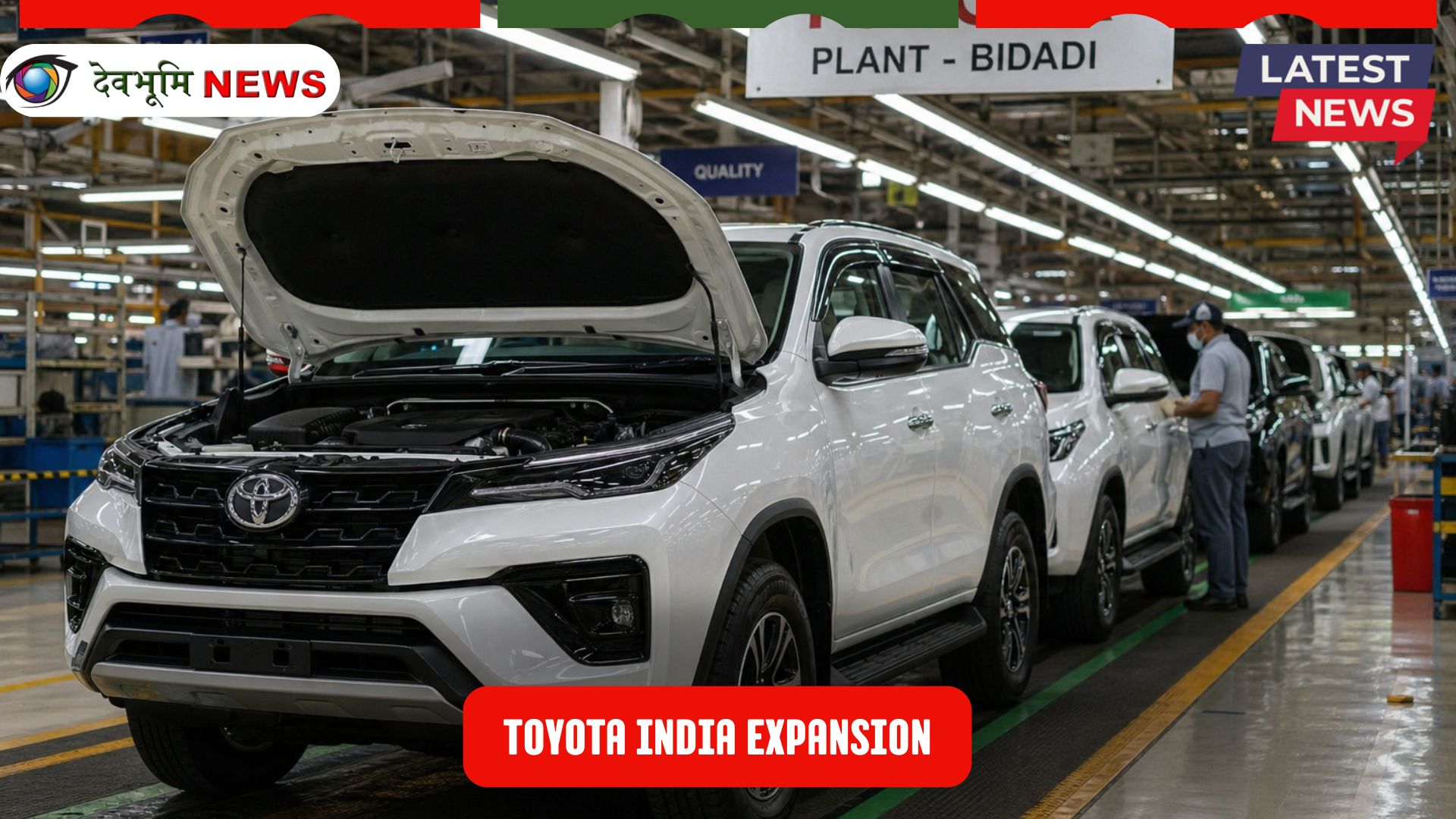
Toyota India expansion is back in focus after a fresh report suggested the Japanese automaker is planning a major manufacturing push in India with three new assembly plants in Maharashtra. The move, first reported by Nikkei and picked up globally by Reuters, could significantly increase Toyota’s long-term production footprint in the country.
Toyota hasn’t officially confirmed the plant rollout. Still, the company said it continuously evaluates production strategies across regions, a carefully worded response that keeps the door open.
India is increasingly becoming central to global automakers. Demand is growing, SUVs are booming, and hybrid adoption is climbing faster than many analysts predicted.
Short version? Toyota seems to be preparing for a much larger India play.
Why Toyota India Expansion Matters
According to the Reuters report, Toyota could invest roughly 300 billion yen (around $1.9 billion) into the proposed Maharashtra expansion.
That’s not a small move.
If executed, the plan could reportedly triple Toyota’s India production capacity to nearly 1 million units annually by the 2030s.
Current Toyota India footprint
| Metric | Current Status |
|---|---|
| Existing plants | 3 |
| Main manufacturing base | Karnataka |
| Annual capacity | Estimated below 400,000 units |
| Key products | Innova HyCross, Fortuner, Urban Cruiser range |
Toyota currently relies heavily on southern India operations, with Karnataka being its core manufacturing hub.
A Maharashtra move would diversify logistics and improve western export efficiency.
Toyota India Expansion and Hybrid Strategy
Toyota has been aggressive globally on hybrids while staying more cautious on full EVs.
India fits that model well.
Fuel infrastructure, charging limitations, and buyer hesitation still make hybrids attractive.
Expected beneficiaries include:
- Toyota hybrid SUVs
- Localized plug-in hybrid production
- Export-oriented manufacturing
Reuters reported that Toyota could also produce plug-in hybrid vehicles at the proposed facilities.
That matters because India is entering a transitional phase:
- EV adoption is growing
- Hybrids remain practical for many buyers
- Government policy is still evolving
What This Means for Consumers, Investors, Dealers
For buyers:
- More localized production could improve availability
- Potential price efficiencies over time
- Faster rollout of global Toyota models
For suppliers:
- Massive vendor ecosystem opportunity in Maharashtra
For investors:
- Strong long-term confidence in Indian auto demand
Key Timeline & Details
| Detail | Update |
|---|---|
| Report surfaced | 30 April–1 May 2026 |
| Source | Nikkei / Reuters |
| Investment estimate | 300 billion yen |
| New plants | 3 proposed |
| Location | Maharashtra |
Read Also: Vaibhav Sooryavanshi Biography 2026 – Age, IPL Stats, Net Worth, Records & Family