Join
 Shorts

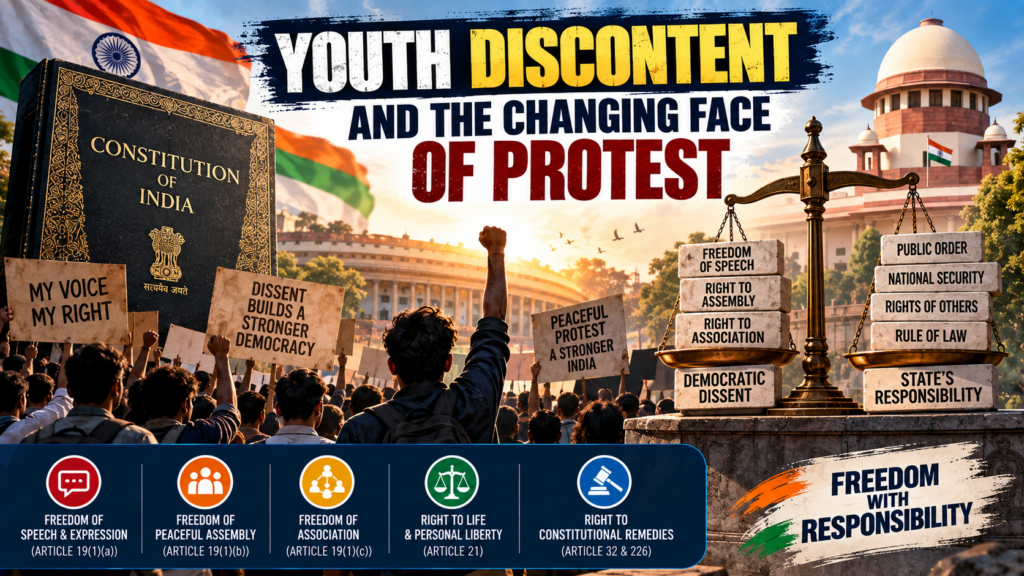
Students are not just the future of a nation; they are also the voice of its present. They play an important role in shaping society through their thoughts, actions, awareness and courage. Throughout history, students have stood against injustice, discrimination, corruption and other social evils. Their energy, education and determination make them powerful agents of change. Therefore, students are rightly considered the first line of resistance against anything that threatens the values of democracy, equality, freedom and justice.
1. Students as the Voice of Society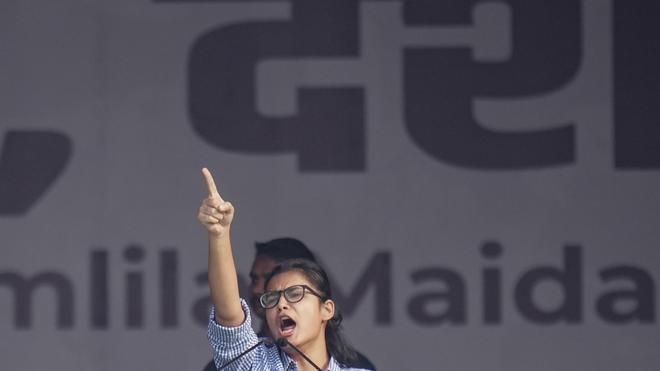
Students are among the most aware and active sections of society. They have the ability to question outdated traditions, unfair practices and wrong decisions. Unlike those who remain silent out of fear or personal interest, students often raise their voices against injustice.
They represent the hopes and aspirations of ordinary people. Through debates, discussions, peaceful demonstrations and awareness campaigns, students bring important social issues into the public eye.
2. Historical Role of Students in Resistance
History provides many examples of students leading movements for freedom and justice. During India’s freedom struggle, students actively participated in protests and revolutionary activities against British rule.
During the Quit India Movement of 1942, many young students joined the struggle for independence. They organised demonstrations, spread awareness and encouraged people to oppose colonial oppression.
Similarly, students across the world have participated in movements demanding civil rights, democracy, gender equality and social justice. These examples prove that students have always played a significant role in challenging oppressive systems.
3. Education Develops Critical Thinking
Education is one of the strongest weapons students possess. It teaches them to distinguish between right and wrong and encourages them to question information rather than accept everything blindly.
An educated student can recognise discrimination, misinformation, exploitation and corruption. Critical thinking helps students understand the root causes of social problems and find meaningful solutions.
Thus, education does not simply prepare students for employment; it also prepares them to become responsible citizens who can defend democratic values.
4. Resistance Against Social Injustice
Students can become the first line of resistance against various social problems, including caste discrimination, gender inequality, communal hatred, poverty and corruption.
They can challenge harmful stereotypes, promote equality and support people whose voices are often ignored. Through street plays, social campaigns, educational programmes and community service, students can encourage positive changes in society.
Their resistance should always be based on truth, humanity, constitutional values and respect for others.
5. The Power of Social Media and Digital Awareness
In the modern world, social media has become an important platform for student activism. Students use digital platforms to highlight social issues, spread awareness and connect with people who share similar concerns.
They can expose misinformation, promote educational content and encourage discussions on important national and international matters.
However, students must use these platforms responsibly. They should verify facts before sharing information and avoid spreading rumours, hatred or misleading content.
6. Peaceful Protest and Democratic Values
Resistance does not always mean confrontation or violence. True resistance means standing firmly against injustice through peaceful and democratic methods.
Students can organise peaceful protests, sign petitions, participate in public discussions and communicate their concerns to the authorities.
They must understand their rights as well as their responsibilities. Respecting the law, protecting public property and maintaining discipline make student movements more meaningful and effective.
7. Challenges Faced by Student Activists
Students who stand against injustice may face several challenges, such as political pressure, social criticism, intimidation and a lack of support.
Sometimes, their genuine concerns are ignored or misunderstood. Fear, misinformation and divisions among students can also weaken their movements.
Despite these challenges, students must remain united, informed and courageous. Their resistance should be guided by facts, peaceful action and a clear sense of purpose.
8. Responsibility Towards the Nation
Being the first line of resistance also means taking responsibility for the future of the country. Students should not limit their role to protests and criticism. They must contribute through education, scientific thinking, environmental protection, volunteer work and community development.
A responsible student questions wrongdoing but also works towards practical solutions. By becoming honest, disciplined, compassionate and aware citizens, students can strengthen the foundations of society.
Read more like this:
- सोनिया गांधी ने 2004 में प्रधानमंत्री पद ठुकराने का फैसला क्यों लिया? अपनी आत्मकथा में किया बड़ा खुलासा
- Nvidia CEO Jensen Huang Loses $7.4 Billion in Just 30 Minutes: What Triggered the Massive Wealth Decline?
Conclusion
Students are the first line of resistance because they possess the courage to question, the knowledge to understand and the energy to bring change. They are not merely passive observers of society but active participants in building a better nation.
A society that encourages its students to think freely, speak fearlessly and act responsibly becomes stronger and more democratic. Resistance against injustice begins with awareness, grows through courage and succeeds through collective action.
Students must remember that silence in the face of injustice can strengthen oppression, while a responsible voice can become the beginning of change. The power to transform society lies not only in the hands of leaders but also in the minds and actions of students.