Join
Join
 Shorts

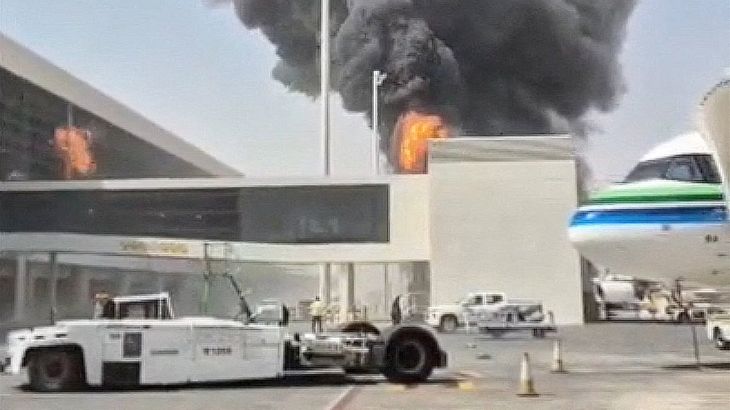
Tensions in the Middle East remain high following reports of another attack targeting Riyadh airport and Tehran’s criticism of the United States’ latest response to the ongoing conflict. The developments highlight the growing risk of further escalation as diplomatic efforts struggle to bridge differences between the opposing sides.
The situation has raised concerns about regional security, civilian safety, international air travel and the wider economic consequences of prolonged instability in the Middle East.
Riyadh Airport Attack Raises Security Concerns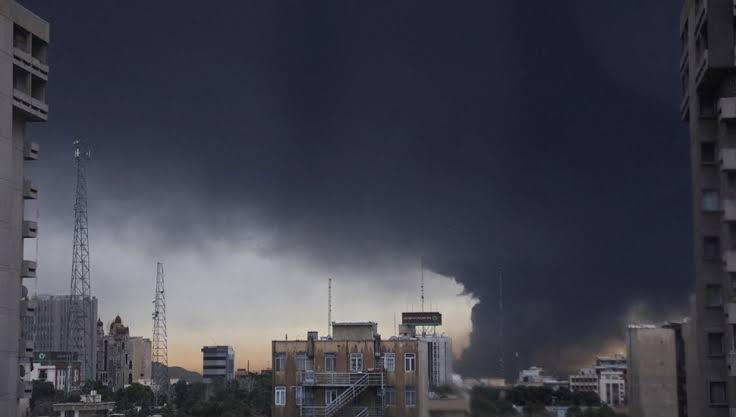
Reports of another strike involving Riyadh airport have renewed concerns about the security of critical infrastructure in Saudi Arabia. Airports are essential transportation hubs, connecting countries through passenger flights, cargo operations and international business travel. Any attack targeting such facilities can disrupt normal operations and create uncertainty for travellers and airlines.
The reported incident also highlights the vulnerability of important civilian infrastructure during regional conflicts. Governments typically respond to such threats by strengthening security measures, assessing possible damage and monitoring the risk of further attacks.
However, the full circumstances surrounding the reported incident, including the extent of the damage, possible casualties and the impact on airport operations, require confirmation from reliable official sources.
Saudi Arabia occupies a strategically important position in the Gulf region. Any threat to its transportation networks or other critical facilities could have consequences beyond its borders, particularly if tensions spread to neighbouring countries.
The possibility of further attacks could also affect public confidence and increase pressure on regional governments to strengthen defensive measures.
Tehran Calls Washington’s Response Inadequate
At the diplomatic level, Tehran’s reported description of the American response as “inadequate” suggests that significant differences remain between Iran and the United States.
The statement indicates that Washington’s latest response has apparently failed to satisfy Tehran’s expectations. However, the specific demands involved and the details of the American proposal would need to be established through verified statements from both governments.
Diplomatic exchanges are particularly important during periods of military confrontation because they can create opportunities to reduce tensions and prevent further violence. Nevertheless, negotiations become more difficult when the parties disagree over security guarantees, military operations and the conditions necessary for a settlement.
Iran’s position could reflect concerns about the terms of a possible agreement, the scope of proposed measures or the assurances it expects from Washington. The United States, meanwhile, would be expected to weigh its own security objectives and regional commitments.
Without an acceptable framework, both sides could remain locked in a prolonged confrontation, increasing uncertainty across the Middle East.
Regional Stability Under Pressure
The reported developments carry implications for countries across the Gulf. Regional governments have strong interests in preventing the conflict from expanding, particularly because further hostilities could threaten civilian populations, commercial transportation and energy infrastructure.
Saudi Arabia and other Gulf states must balance their security requirements with the need to maintain economic stability. Prolonged insecurity can affect tourism, aviation, investment and international business confidence.
The wider international community is also closely concerned about the consequences of an expanding conflict. Countries dependent on energy supplies passing through the region could face increased uncertainty if hostilities disrupt shipping routes or damage important infrastructure.
Oil prices and financial markets can respond to geopolitical risks, although the actual economic impact depends on the duration and intensity of the conflict and whether essential supply routes remain operational.
International Community Faces a Difficult Challenge
The latest reported developments underline the importance of renewed diplomatic engagement. International organisations and influential governments may seek to encourage restraint, promote communication and prevent further attacks on civilian infrastructure.
A lasting resolution, however, would require more than temporary pauses in hostilities. It would depend on meaningful negotiations, credible security arrangements and a willingness among the parties to address their fundamental disagreements.
Humanitarian considerations must also remain central. Civilians frequently bear the greatest costs of prolonged conflicts through displacement, disrupted public services, economic hardship and threats to personal safety.
Ensuring access to essential services and protecting civilian populations should therefore remain priorities for all parties involved.
Read more like this:
- हवा में पावर बैंक में लगी आग, दिल्ली-चेन्नई जा रही इंडिगो फ्लाइट की हैदराबाद में इमरजेंसी लैंडिंग
- दिल्ली पुलिस को CJP का 24 घंटे का अल्टीमेटम, जंतर-मंतर पर प्रदर्शन की तारीख तय करने की मांग
What Happens Next?
The immediate outlook will depend on developments on the ground, the accuracy of reports emerging from the region and whether diplomatic channels can produce meaningful progress.
Further attacks could deepen mistrust and make negotiations more difficult. Conversely, credible assurances and sustained diplomatic engagement could help create conditions for de-escalation.
For now, the reported incident involving Riyadh airport and Tehran’s criticism of Washington illustrate the continuing challenges facing efforts to stabilise the region.
The coming days will be important in determining whether the confrontation moves towards renewed negotiations or enters another dangerous phase of escalation. Until more verified information becomes available, the scale of the reported airport incident, the precise nature of Tehran’s objections and the prospects for a diplomatic breakthrough remain key questions.
The international community will be watching closely, as the consequences of further escalation could extend far beyond Iran and Saudi Arabia, affecting regional security, global transportation and the wider world economy.