Join
Join
 Shorts

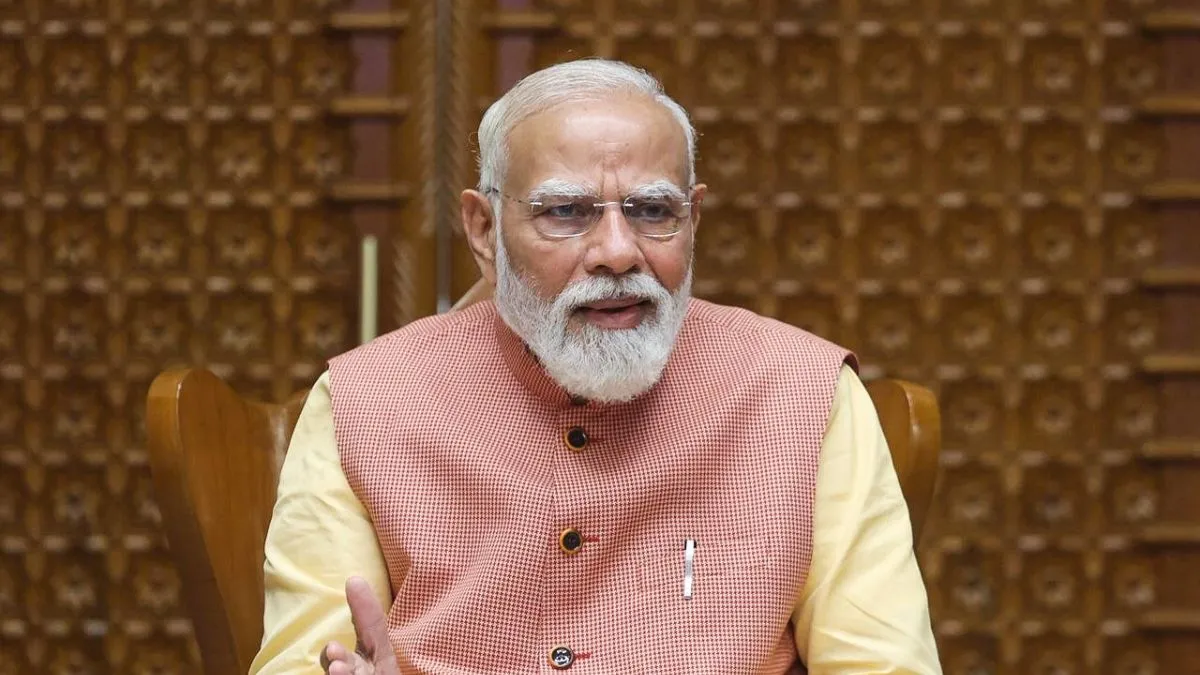
Prime Minister Narendra Modi chaired the fourth meeting of the Cabinet Committee on Security (CCS) to assess the evolving situation in West Asia amid continuing regional tensions. The high-level meeting focused on India’s security preparedness, the safety of Indian citizens abroad, energy supplies, and the potential economic impact of the ongoing conflict.
Senior ministers and top officials from key ministries attended the meeting to review the latest developments and coordinate the government’s response.
Focus on India’s Energy Security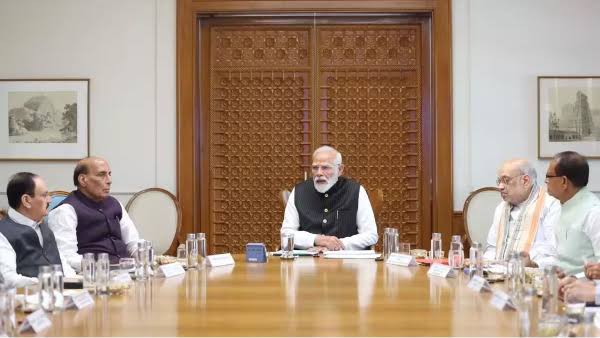
One of the key issues discussed during the meeting was India’s energy security.
With tensions affecting one of the world’s most important oil-producing regions, the Prime Minister stressed the importance of strengthening India’s energy self-reliance. Officials reviewed crude oil supplies, strategic petroleum reserves, and alternative sourcing options to ensure uninterrupted fuel availability despite global uncertainties.
The government reiterated its commitment to reducing dependence on external energy sources through greater use of renewable energy, domestic production, and diversified imports.
CCS Reviews National Security Preparedness
The Cabinet Committee on Security also reviewed India’s overall security preparedness in light of the changing geopolitical situation.
Senior defence and intelligence officials briefed the Prime Minister on regional developments, maritime security, and potential implications for India’s strategic interests. The government discussed measures to safeguard critical infrastructure and maintain vigilance against emerging security challenges.
Officials emphasized that India remains prepared to respond to any situation affecting national interests.
Safety of Indians Abroad Discussed
The welfare of Indian citizens living and working in West Asia was another major focus of the meeting.
The Ministry of External Affairs briefed the CCS on the status of Indian nationals in the region and ongoing efforts to ensure their safety. Indian embassies and missions have been directed to remain in close contact with citizens and provide assistance whenever required.
The government continues to monitor the situation and is prepared to take additional measures if conditions deteriorate.
Impact on Global Trade and Economy
The meeting also examined the possible economic consequences of prolonged instability in West Asia.
Officials discussed the impact of rising crude oil prices, disruptions to global shipping routes, and increasing freight costs. The Strait of Hormuz, a key maritime trade route, remains under close watch because of its importance to global energy supplies.
The government is closely monitoring international markets to minimize the impact on the Indian economy.
Push for Energy Self-Reliance
Prime Minister Modi highlighted the importance of accelerating India’s long-term strategy for energy independence.
The government aims to expand renewable energy capacity, promote green hydrogen, increase domestic oil and gas exploration, and encourage the use of alternative fuels. Officials believe these initiatives will help strengthen India’s energy security and reduce vulnerability to international supply disruptions.
The Prime Minister also stressed the need for continued investment in clean energy technologies.
Coordination Across Government Agencies
The CCS meeting underscored the importance of coordination between various ministries and government agencies.
Officials from the ministries of defence, external affairs, home affairs, petroleum, shipping, and finance reviewed contingency plans and discussed measures to maintain stability in the event of further escalation in the region.
The government remains committed to ensuring uninterrupted essential supplies and protecting India’s strategic interests.
Read more like this:
What Happens Next
The Cabinet Committee on Security is expected to continue reviewing developments in West Asia as the situation evolves.
The Centre will closely monitor regional security, global energy markets, and the safety of Indian citizens abroad while taking necessary steps to safeguard national interests. India’s focus on strengthening energy self-reliance and enhancing preparedness is expected to remain a key priority in the coming months.