Join
Join
 Shorts

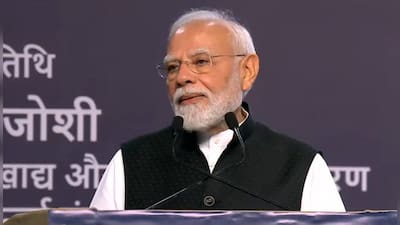
Prime Minister Narendra Modi inaugurated a 150 kilometre stretch of the Vadodara Mumbai Expressway, marking a significant development in India’s road infrastructure network. The newly opened section is expected to improve connectivity between Gujarat and Maharashtra while reducing travel time and easing pressure on existing highways.
The expressway is one of the country’s major infrastructure projects and is designed to provide faster and more efficient movement of passengers and freight between important economic centres.
Strategic Link Between Gujarat and Maharashtra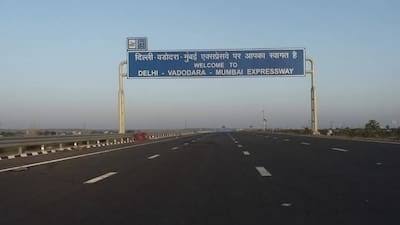
The Vadodara Mumbai Expressway is being developed to create a high speed road corridor connecting major cities and industrial regions across Gujarat and Maharashtra.
The route will provide an alternative to heavily congested existing roads and is expected to improve connectivity between urban centres, ports, industrial clusters and logistics hubs.
The project is particularly important for western India’s economy, where large volumes of industrial goods and commercial traffic move between Gujarat and Maharashtra every day.
Travel Time Expected to Reduce
One of the major advantages of the expressway is the potential reduction in travel time between key destinations.
The new corridor has been designed for high speed traffic and features modern engineering standards, access-controlled entry and exit points, bridges, interchanges and other safety infrastructure.
As additional sections become operational, motorists are expected to benefit from smoother journeys and fewer delays caused by congestion on older routes.
Boost to Trade and Logistics
The expressway is also expected to provide a major boost to India’s logistics sector.
Faster road connectivity can reduce transportation time and fuel consumption for commercial vehicles, helping businesses move raw materials and finished products more efficiently.
The corridor will connect important industrial areas with markets, warehouses and ports, potentially strengthening supply chains across western India.
Infrastructure Development in Maharashtra and Gujarat
The project is expected to generate economic opportunities in regions located along the corridor.
Improved connectivity can encourage investment in manufacturing, warehousing, logistics, tourism and other sectors. New commercial activity may also emerge around interchanges and connected towns.
For local communities, better road access can improve connections to larger cities and economic centres.
Modern Engineering Features
The expressway has been developed using modern highway construction standards.
The corridor includes large bridges, underpasses, interchanges, service facilities and other infrastructure designed to support high speed movement while maintaining safety.
Access control is another important feature, with vehicles entering and exiting through designated points rather than through numerous local road crossings.
Importance for India’s Infrastructure Push
The inauguration is part of the government’s wider push to expand India’s national highway network and improve multimodal connectivity.
Large expressway projects are being developed across the country to connect major economic centres and reduce transportation bottlenecks.
The government has repeatedly highlighted infrastructure development as an important component of India’s broader economic growth strategy.
Benefits for Common Travellers
For ordinary motorists, the most visible benefits are expected to be shorter journey times, smoother driving conditions and improved road infrastructure.
The expressway can also help reduce congestion on older highways by diverting long distance traffic onto a dedicated high speed corridor.
As more portions of the project become operational, travellers between Gujarat and Maharashtra are expected to have greater flexibility in choosing routes.
Environmental and Safety Considerations
Large infrastructure projects also bring challenges related to land use, environmental impact and road safety.
Authorities have incorporated various measures into the project to manage drainage, crossings and traffic movement. Maintaining strict speed discipline and following highway safety rules will remain important once traffic volumes increase.
Officials will also need to ensure regular maintenance of the infrastructure as the expressway becomes increasingly busy.
Wider Economic Impact
The Vadodara Mumbai Expressway has the potential to become an important economic corridor for western India.
By connecting industrial centres, commercial hubs and transport networks, the road can facilitate faster movement of goods and people.
Improved connectivity can also support tourism by making several destinations more accessible to visitors travelling between Gujarat and Maharashtra.
Read more like this :
What Happens Next
The inauguration of the 150 kilometre stretch represents another major step towards completing the wider Vadodara Mumbai Expressway corridor.
As remaining sections are completed and opened to traffic, connectivity between the two states is expected to improve further.
The project is ultimately aimed at creating a faster, safer and more efficient transport link between major economic regions. Its completion could significantly strengthen road connectivity, logistics and economic activity across western India while contributing to the country’s broader infrastructure development goals.