Join
Join
 Shorts


Global crude oil prices remained close to $75 per barrel on Friday as tanker movements through the Strait of Hormuz continued to recover after months of disruptions. The gradual return of commercial shipping has reduced immediate concerns over global oil supply, bringing much-needed stability to international energy markets.
Brent crude traded near the $75 mark, while U.S. benchmark West Texas Intermediate (WTI) also witnessed modest declines as traders responded to improving supply conditions.
Market participants believe the reopening of one of the world’s most critical energy corridors is helping restore confidence among investors and refiners.
Strait of Hormuz Shipping Recovery Supports Crude Oil Market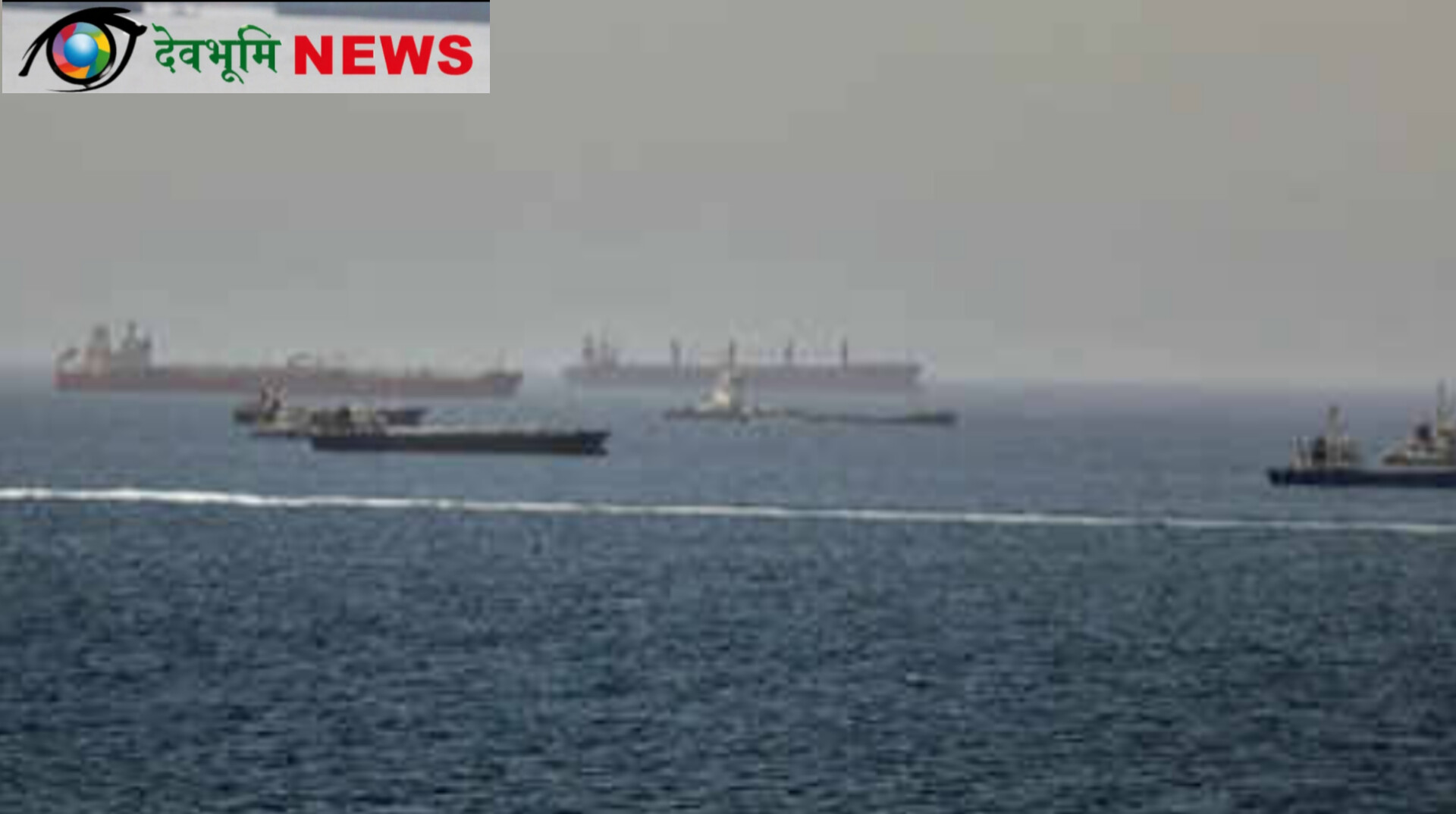
The Strait of Hormuz remains one of the most strategically important maritime routes for global energy transportation. Nearly one-fifth of the world’s crude oil exports pass through this narrow waterway, making it a vital link between oil-producing Gulf nations and international markets.
Following months of geopolitical tensions and shipping disruptions, oil tankers have gradually resumed operations through the route. This increase in vessel movement has significantly eased fears of supply shortages, leading to softer crude oil prices and improved market sentiment.
Why Crude Oil Prices Are Holding Near $75
Several factors are currently influencing crude oil prices:
Improved tanker traffic through the Strait of Hormuz.
Reduced fears of immediate supply disruptions.
Stable production levels from major oil-producing countries.
Continued monitoring of geopolitical developments in the Middle East.
Mixed global demand outlook from major economies.
Although geopolitical risks remain, the normalization of shipping activity has become the primary driver behind the recent decline in oil prices from earlier highs.
Middle East Developments Continue to Influence Global Oil Markets
Despite the recovery in shipping operations, investors remain cautious about developments across the Middle East. The region continues to be closely monitored because any escalation in conflict could once again disrupt maritime trade and crude oil exports.
Energy analysts believe oil markets remain highly sensitive to geopolitical events. Any interruption to tanker movements or export facilities could quickly reverse the recent price decline.
Impact of $75 Crude Oil on Global Energy Markets
Crude oil prices around the $75 level are generally viewed as supportive for both producers and consumers. Lower oil prices help reduce transportation costs, manufacturing expenses, and fuel prices while limiting inflationary pressures across many economies.
Industries such as aviation, logistics, chemicals, and manufacturing often benefit when crude oil prices stabilize after periods of volatility.
What the Strait of Hormuz Means for Global Oil Supply
The Strait of Hormuz connects the Persian Gulf with the Gulf of Oman and the Arabian Sea, making it one of the world’s busiest energy transit routes.
Major oil exporters including Saudi Arabia, Iraq, Kuwait, the United Arab Emirates, and Qatar rely heavily on this shipping corridor to transport crude oil and liquefied natural gas (LNG) to international buyers.
Any disruption in this narrow passage has immediate consequences for global energy prices, freight costs, and international trade.
The recent recovery in tanker traffic represents a significant step toward restoring normal energy supply chains.
How India Could Benefit from Stable Crude Oil Prices
India, one of the world’s largest crude oil importers, closely monitors international oil prices because they directly influence domestic fuel costs and inflation.
Stable crude oil prices near $75 could provide several benefits:
Lower import costs for crude oil.
Reduced pressure on fuel prices.
Improved fiscal management.
Lower transportation and logistics expenses.
Better control over inflation.
Businesses across multiple sectors may also benefit from reduced energy costs if oil prices remain stable in the coming weeks.
Energy Traders Remain Watchful Despite Positive Signals
While the return of tanker traffic has improved confidence, energy traders continue to monitor shipping data, inventory levels, and geopolitical developments before making long-term market decisions.
Unexpected disruptions, production changes by major oil exporters, or renewed regional tensions could quickly impact crude oil prices.
For now, analysts expect markets to remain cautious while evaluating how consistently shipping operations continue through the Strait of Hormuz.
Read more like this:
- Welcome to the Jungle Review: Akshay Kumar Returns to Comedy Chaos
- राम मंदिर दान घोटाला: अयोध्या राम मंदिर दान विवाद में FIR दर्ज, SIT जांच के बाद 8 आरोपी गिरफ्तार
- Hemkund Sahib Yatra SOP: हेमकुंड साहिब यात्रा को लेकर बनेगी नई एसओपी, निहंग विवाद के बाद सरकार सख्त
Outlook for Crude Oil Prices in the Coming Weeks
Market experts believe crude oil prices will continue to fluctuate depending on supply-demand fundamentals and geopolitical developments.
Key factors likely to influence oil prices include:
Continued tanker movement through the Strait of Hormuz.
Global economic growth.
Oil demand from China, India, and other major consumers.
Production policies of leading oil-exporting nations.
Regional security conditions.
If shipping operations continue without significant disruption, oil prices may remain relatively stable. However, any renewed tensions could trigger another round of market volatility.
Conclusion
Crude oil prices holding near $75 reflect improving confidence in global energy supply following the gradual resumption of tanker traffic through the Strait of Hormuz. Although geopolitical risks have not completely disappeared, stronger shipping activity has eased immediate concerns over supply disruptions.
For oil-importing countries like India, stable crude prices could help reduce inflationary pressures and support economic growth. Nevertheless, global energy markets will continue watching developments in the Middle East closely, as the Strait of Hormuz remains one of the world’s most important gateways for international crude oil trade.