Join
Join
 Shorts

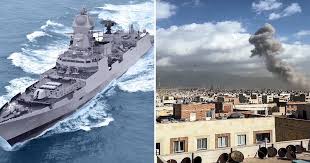
The Ministry of External Affairs (MEA) has said that Indian seafarers have suffered the highest death toll among foreign nationals in the recent attacks on commercial vessels in the Gulf region amid the ongoing US-Iran conflict. The statement highlights the growing risks faced by Indian crew members working on international merchant ships operating through the Middle East.
The government said it is closely monitoring the situation and remains in constant touch with shipping companies and regional authorities.
Indian Crew Among the Worst Affected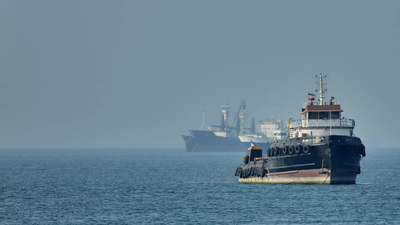
According to the MEA, Indian nationals have been among the hardest hit in the series of attacks targeting commercial ships in the Gulf. Several Indian seafarers have lost their lives, while others have been injured or affected by the escalating security situation.
The ministry expressed condolences to the families of the victims and assured that every possible assistance is being extended to those impacted.
Government Monitoring the Situation
The MEA stated that the Indian government is closely tracking developments in the Gulf and maintaining regular communication with Indian missions in the region.
Officials are coordinating with local authorities, shipping companies, and international partners to ensure the safety and welfare of Indian citizens working aboard commercial vessels.
The government has also advised Indian nationals in the region to remain cautious and follow official safety advisories.
Rising Threat to Commercial Shipping
The continuing tensions between the United States and Iran have significantly increased security concerns across major shipping routes in the Gulf.
Commercial vessels passing through strategic waterways have faced repeated attacks in recent weeks, raising fears over maritime security and the safety of multinational crews.
Shipping companies have strengthened security measures while governments continue to monitor the evolving situation.
Strait of Hormuz Remains Critical
The Strait of Hormuz continues to be one of the world’s most strategically important maritime routes.
A substantial share of global crude oil and liquefied natural gas exports passes through the narrow waterway every day. Any disruption to shipping in the region has the potential to affect global energy markets, international trade, and freight costs.The latest attacks have once again highlighted the vulnerability of commercial shipping operating in the Gulf.
India Calls for Peace and Stability
India has reiterated its support for peace, dialogue, and stability in the Middle East.
The government has emphasized the importance of ensuring the safety of international shipping lanes and protecting civilian seafarers working in conflict-prone regions.
Officials have also called for restraint by all parties to prevent further escalation and safeguard global maritime trade.
Families Await Safe Return of Crew Members
As tensions continue, families of Indian seafarers remain anxious about the safety of their loved ones working aboard ships in the Gulf.
The government has assured that Indian embassies and consulates will continue providing necessary assistance and remain in contact with affected crew members wherever possible.
Authorities are also monitoring future shipping movements to minimize risks to Indian personnel.
Read more like this :
What Happens Next
With the security situation in the Gulf remaining volatile, India is expected to continue coordinating with international partners to protect Indian seafarers and ensure safe maritime operations.
The Ministry of External Affairs has reaffirmed its commitment to assisting affected citizens while urging all sides to pursue diplomatic solutions that can reduce tensions and restore stability in one of the world’s most important shipping regions.