Join
Join
 Shorts

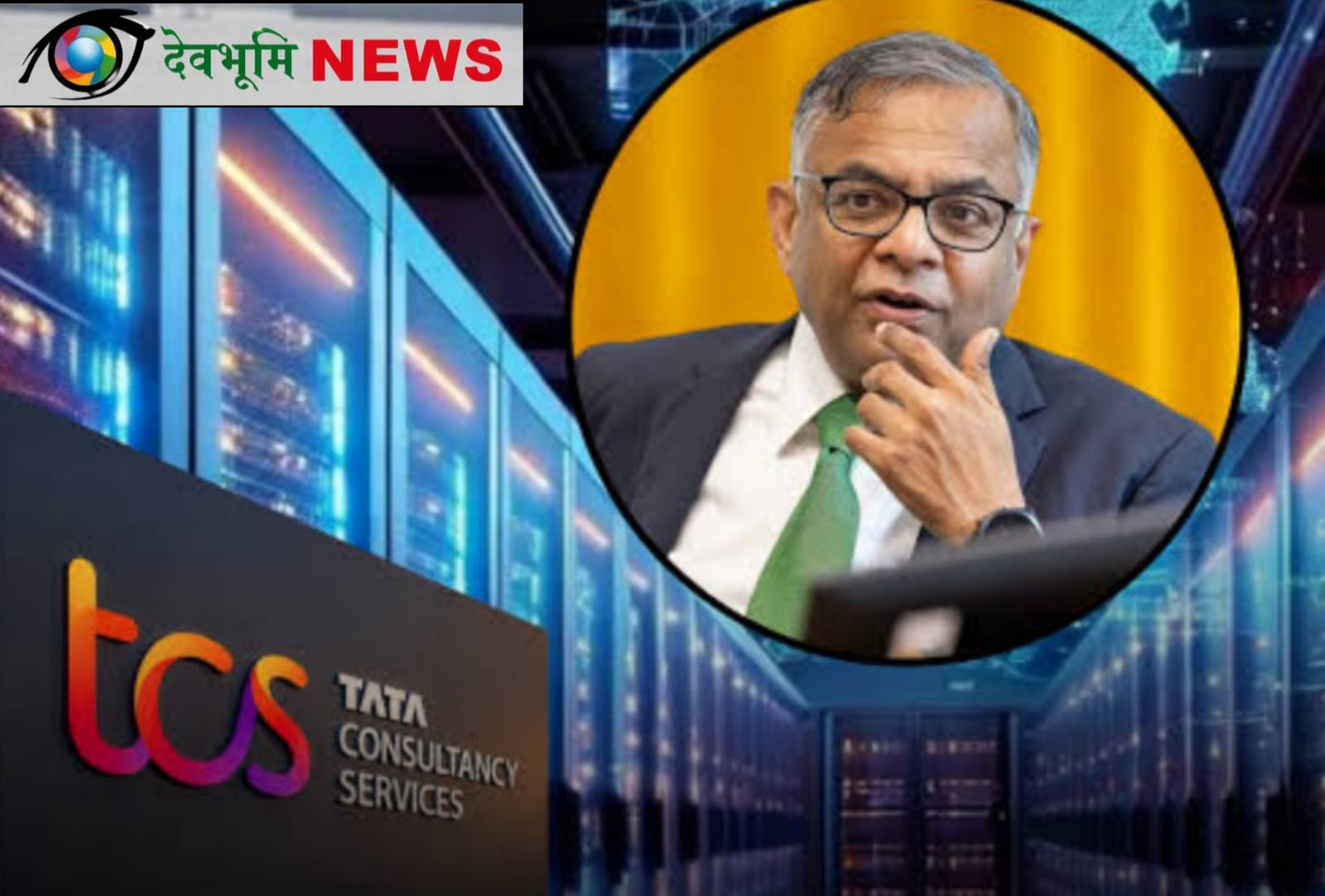
India’s largest IT services company, Tata Consultancy Services (TCS), is preparing for a major transformation that will be driven by artificial intelligence.
TCS Chairman N Chandrasekaran has said that the company could have as many AI agents as human employees within the next three years. This statement shows a big change in the future of work and enterprise technology.
During the 31st Annual General Meeting (AGM) of TCS, Chandrasekaran said that AI agents will work more and more with human employees, leading to a new hybrid workforce model that mixes human expertise with artificial intelligence abilities.
This announcement shows TCS’s growing interest in AI as a key part of its transformation and confirms the company’s leadership in enterprise technology innovation.
N Chandrasekaran Predicts Equal Number Of AI Agents And Employees At TCS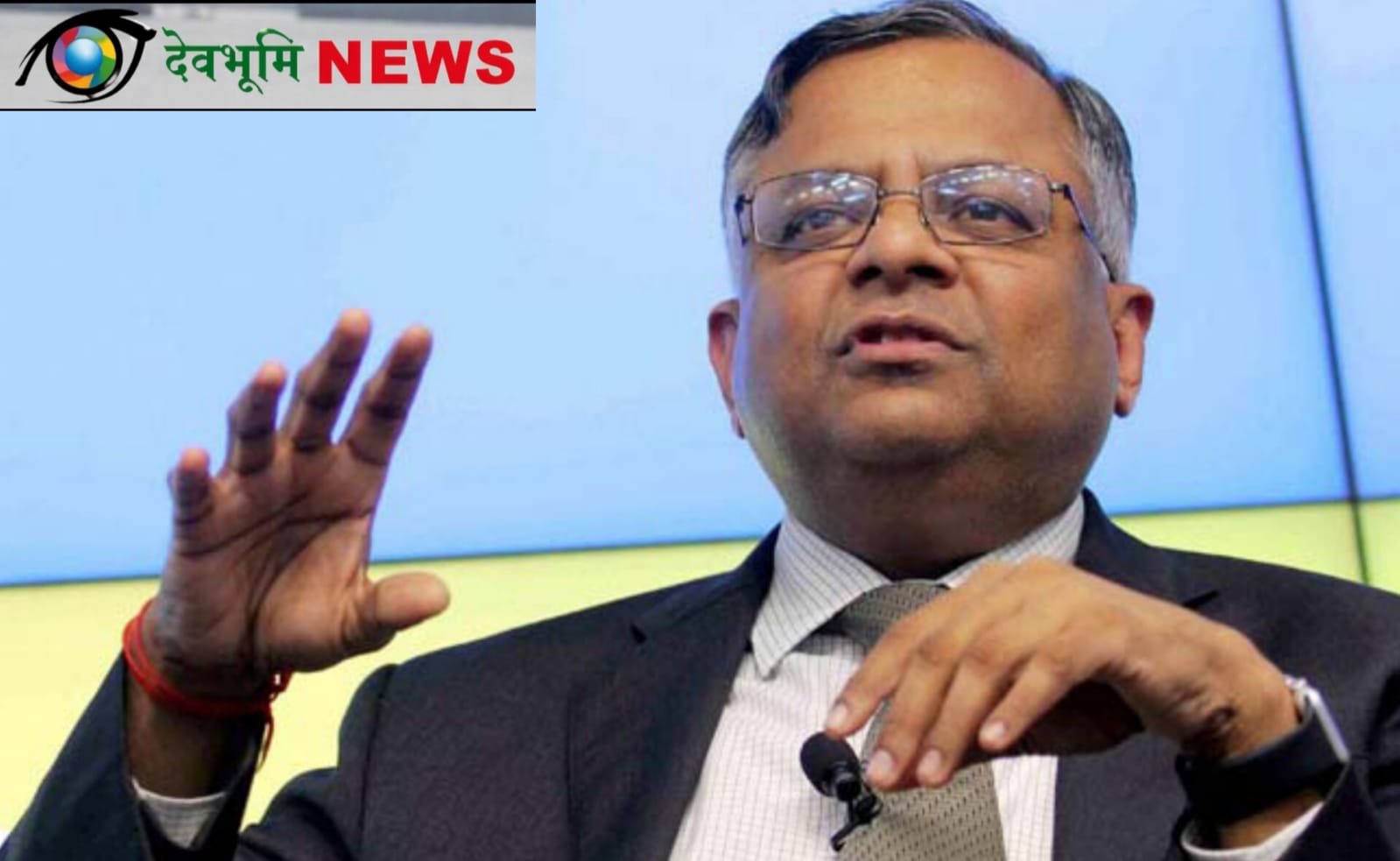
According to N Chandrasekaran, the time when TCS will use AI agents in large numbers is not far.
With more than 584,000 people employed globally, this projection suggests that hundreds of thousands of AI agents could be part of the company’s operations in the coming years.The TCS Chairman said that AI agents and employees will collaborate instead of competing.
This teamwork is expected to change the way productivity, software development, IT services, customer support, and business operations are carried out across different industries. TCS believes AI will help human capabilities and create new chances for innovation and growth.
TCS AI Strategy Signals Major Shift In IT Industry Hiring Trends
One of the most important effects of the TCS AI agents strategy is how it will change hiring.
Chandrasekaran said that the IT industry is unlikely to keep hiring as much as it has over the last two decades. As AI handles repetitive and routine tasks, companies will focus more on hiring specialized talents rather than large numbers of employees.TCS said that it is not planning to lay off workers as part of its AI transformation.
Instead, the way of hiring will change to focus on skilled professionals who can work with AI systems. This change reflects a bigger shift in the global technology sector as businesses adopt AI-powered automation and digital transformation.
Artificial Intelligence Driving TCS Future Growth And Innovation
Artificial intelligence is now a core part of TCS’s long-term business plan.
The company has seen a lot of growth in AI-related business opportunities and revenue. Chandrasekaran said that AI is not a threat to the IT services industry but one of the biggest chances for future growth and innovation.
TCS has been putting a lot of money into AI technologies, enterprise automation, machine learning, and generative AI platforms.
These investments are helping the company to offer advanced digital transformation services to global clients in industries like banking, healthcare, manufacturing, retail, and telecommunications.
The company’s leaders believe AI will greatly expand the market that IT services can reach by creating new business models and service types.As organizations around the world speed up their AI adoption, TCS expects to benefit from the rising demand for AI implementation, consulting, and managed services.
AI Agents And Human Employees Will Work Together At TCS
A key part of the TCS AI vision is the idea that AI agents and human professionals will work together.
Rather than replacing workers, AI agents will help employees to do tasks more efficiently, improve decision-making, and increase productivity.
Chandrasekaran said that some tasks currently done by humans will gradually move to AI agents.However, this shift is expected to create new job types and opportunities that require advanced skills in AI management, data science, machine learning, cybersecurity, and digital engineering.
Experts believe this mixed workforce model could become the standard for technology companies around the world.Organizations that successfully combine AI agents with human talent are likely to achieve higher productivity, faster innovation, and better customer outcomes.
TCS AI Revenue Growth Highlights Strong Enterprise Demand
The growing importance of AI at TCS is shown in its financial performance.
The company has reported annualized AI-related revenue over $2.3 billion, showing strong enterprise demand for AI services. This quick growth highlights how AI is becoming a major source of income for the organization.
TCS leadership has also stated that AI will be an important part of nearly all the company’s services before the end of the decade.This grand vision shows the company’s commitment to making AI part of all its technology and consulting services.
As global companies speed up their digital transformation, the need for AI solutions is expected to grow, giving TCS and the IT services industry many chances to grow.
Read more like this..
- PoK Protest: पाकिस्तान अधिकृत कश्मीर में हिंसा, सुरक्षा बलों की फायरिंग में 30 से अधिक मौतें, 200 से ज्यादा घायल
- BYD DM-i Hybrid Technology in India: 7 Powerful Reasons It Could Change Hybrid Cars
- दिल्ली कोर्ट ने NEET-UG पेपर लीक मामले की आरोपी की जमानत याचिका खारिज की, CBI जांच को मिली मजबूती
What TCS AI Agents Mean For The Future Of The IT Industry
The announcement by N Chandrasekaran means more than just a company plan—it shows a broader transformation happening in the global technology industry.
As AI agents get more capable and independent, organizations will depend more on smart systems to handle tasks that were once done by humans.
For the Indian IT industry, which has traditionally relied on large-scale hiring, the rise of AI agents could change how companies plan their workforce and run their businesses.
Companies might focus more on reskilling, upskilling, and integrating AI rather than traditional hiring strategies.
While concerns about automation and employment continue, TCS says AI will bring new opportunities along with challenges.The company’s vision shows a future where humans and AI agents work together to provide more value, innovation, and efficiency.
Conclusion: TCS AI Agents Mark Beginning Of A New Workforce Era
TCS’s plan to have as many AI agents as human employees within the next three years is a big moment for the technology industry.
Under N Chandrasekaran’s leadership, the company is embracing artificial intelligence as a driver for growth, innovation, and operational excellence.
As AI becomes more common across industries, TCS’s strategy gives a look into the future of work—an environment where AI agents and human employees work together in a productive, tech-driven setting.
The success of this transformation could shape workforce models in the global IT sector for years to come.