Join
Join
 Shorts

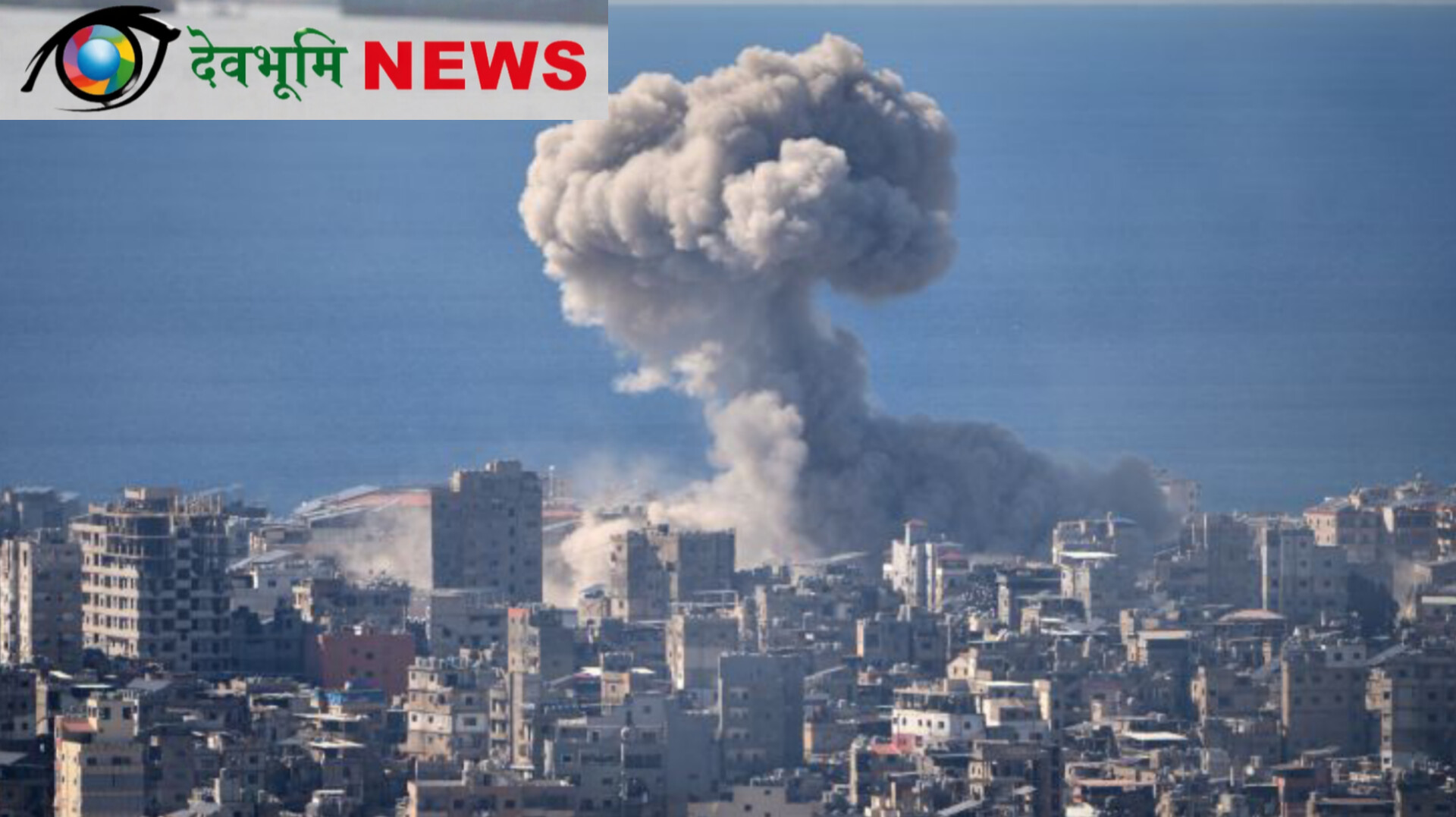
Tensions in the Middle East escalated sharply on Thursday after Israeli airstrikes killed at least 14 people across southern Lebanon ahead of crucial security talks scheduled in Washington between Lebanese and Israeli officials. The latest violence comes amid the ongoing US-Israel-Iran conflict, which has continued to destabilize the region despite repeated diplomatic efforts and temporary ceasefire agreements.
Israeli Strikes Intensify in Southern Lebanon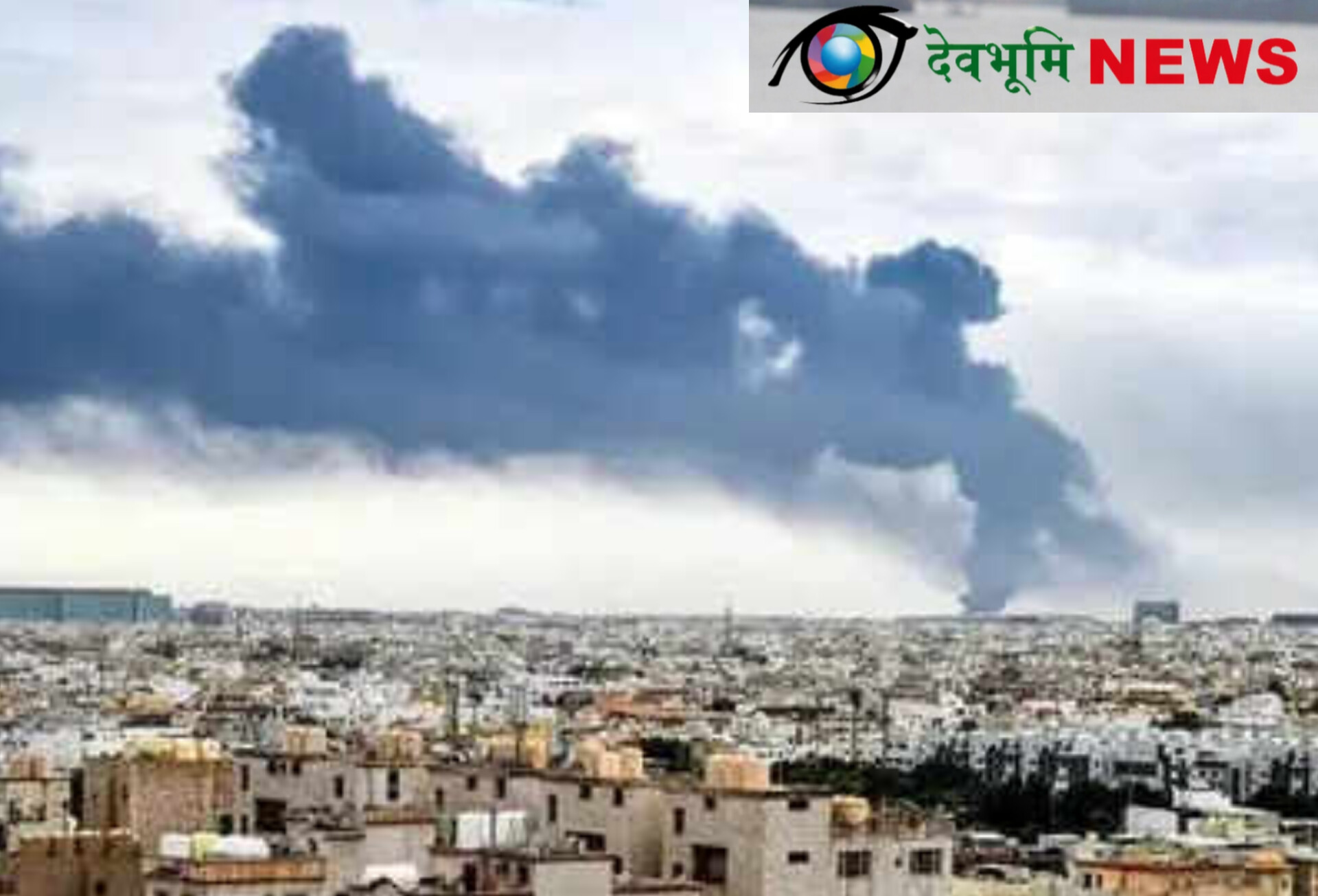
According to Lebanese authorities, the strikes targeted several areas in southern Lebanon, including the coastal cities of Tyre and Sidon — Lebanon’s fourth-largest city. Among those killed were women, children, and a Lebanese soldier, while dozens more were reportedly injured.
The Israeli military also issued evacuation warnings to residents in multiple neighborhoods before launching attacks. Large numbers of civilians were seen fleeing affected areas as fears of further escalation spread across the region.
Israel said the strikes were part of expanded military operations against Hezbollah positions in southern Lebanon following repeated drone and rocket attacks targeting northern Israel.
Washington Talks Under Global Attention
The attacks came just ahead of planned US-brokered security talks in Washington involving Israeli and Lebanese officials. The discussions are expected to focus on border security, ceasefire violations, and efforts to prevent a wider regional war.
However, Hezbollah has reportedly rejected the negotiations and continues to support Iran’s regional position in the ongoing conflict. Iran has also linked its own diplomatic engagement with Washington to an end to Israeli military operations in Lebanon.
The United States has been attempting to reduce tensions through backchannel diplomacy, but continued military escalation has complicated peace efforts significantly.
Israel Declares New Combat Zone
In a major development, the Israeli military declared a large area south of Lebanon’s Zahrani River a “combat zone” and urged civilians to evacuate immediately. The move effectively expanded Israel’s operational zone deep into southern Lebanon.
Reports indicate that more than one million people have already been displaced since fighting intensified earlier this year. Entire towns and villages near the Israeli border have reportedly been emptied due to continuous bombardment and evacuation orders.
International humanitarian organizations have warned about worsening food shortages, overcrowded shelters, and collapsing healthcare systems in affected Lebanese regions.
Hezbollah and Iran Continue Pressure on Israel
Hezbollah claimed responsibility for multiple drone and rocket attacks targeting Israeli military positions in northern Israel. Israeli officials confirmed that at least one Israeli soldier was killed in a Hezbollah drone strike.
Meanwhile, tensions between the United States and Iran remain high following earlier joint US-Israeli military strikes on Iranian targets earlier this year. Iran has continued to condemn US military involvement and accused Washington of backing Israeli escalation in Lebanon and Gaza.
US Secretary of State Marco Rubio recently stated that “some progress” had been made in diplomatic discussions with Iran, but warned that military options remained open if negotiations failed.
Humanitarian Crisis Deepens
The ongoing conflict has triggered one of Lebanon’s worst humanitarian crises in recent years. Thousands of homes have reportedly been destroyed or severely damaged, forcing families to seek refuge in northern cities and temporary camps.
Aid agencies say civilians are struggling with shortages of food, fuel, electricity, and medical supplies as bombardments continue across multiple regions.
Analysts warn that if diplomatic talks in Washington fail to produce results, the region could witness a broader and even more dangerous confrontation involving Israel, Hezbollah, Iran, and potentially other Middle Eastern actors.
Read more like this:
Global Concern Over Wider Regional War
World leaders and international organizations have called for restraint amid fears that the conflict could expand beyond Lebanon and Israel. Oil prices have already shown volatility due to concerns over shipping routes and instability near the Strait of Hormuz.
As the Middle East crisis deepens, all eyes are now on Washington talks and whether diplomacy can prevent a larger regional war from erupting in the coming weeks.