Join
Join
 Shorts

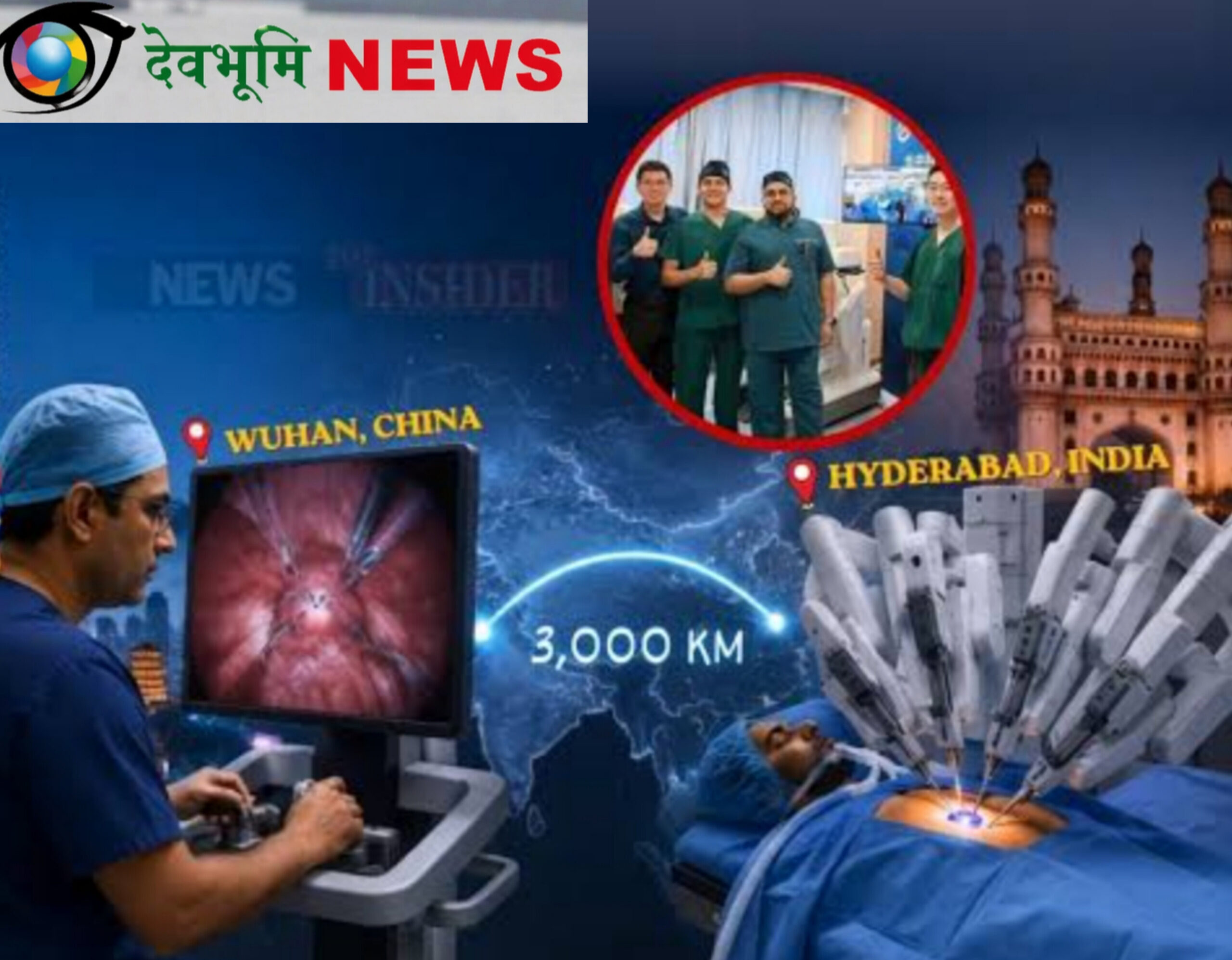
Robot-Assisted Surgery Marks a New Era in Global Healthcare.In a groundbreaking achievement for global healthcare and telemedicine, Indian urologist Dr. Syed Mohammed Ghouse successfully performed a robot-assisted surgery on a patient in Hyderabad while operating remotely from Wuhan, nearly 3,000 kilometres away. The historic robot-assisted surgery has become a major milestone in the advancement of 5G healthcare technology, cross-border telemedicine, and remote robotic surgery systems.
The successful robotic surgery highlights how modern healthcare technology can overcome geographical barriers and provide expert medical care across countries in real time. Medical experts believe this development could redefine the future of surgery, especially in remote areas where specialist surgeons are not easily available.
5G Technology Powered the Remote Robotic Surgery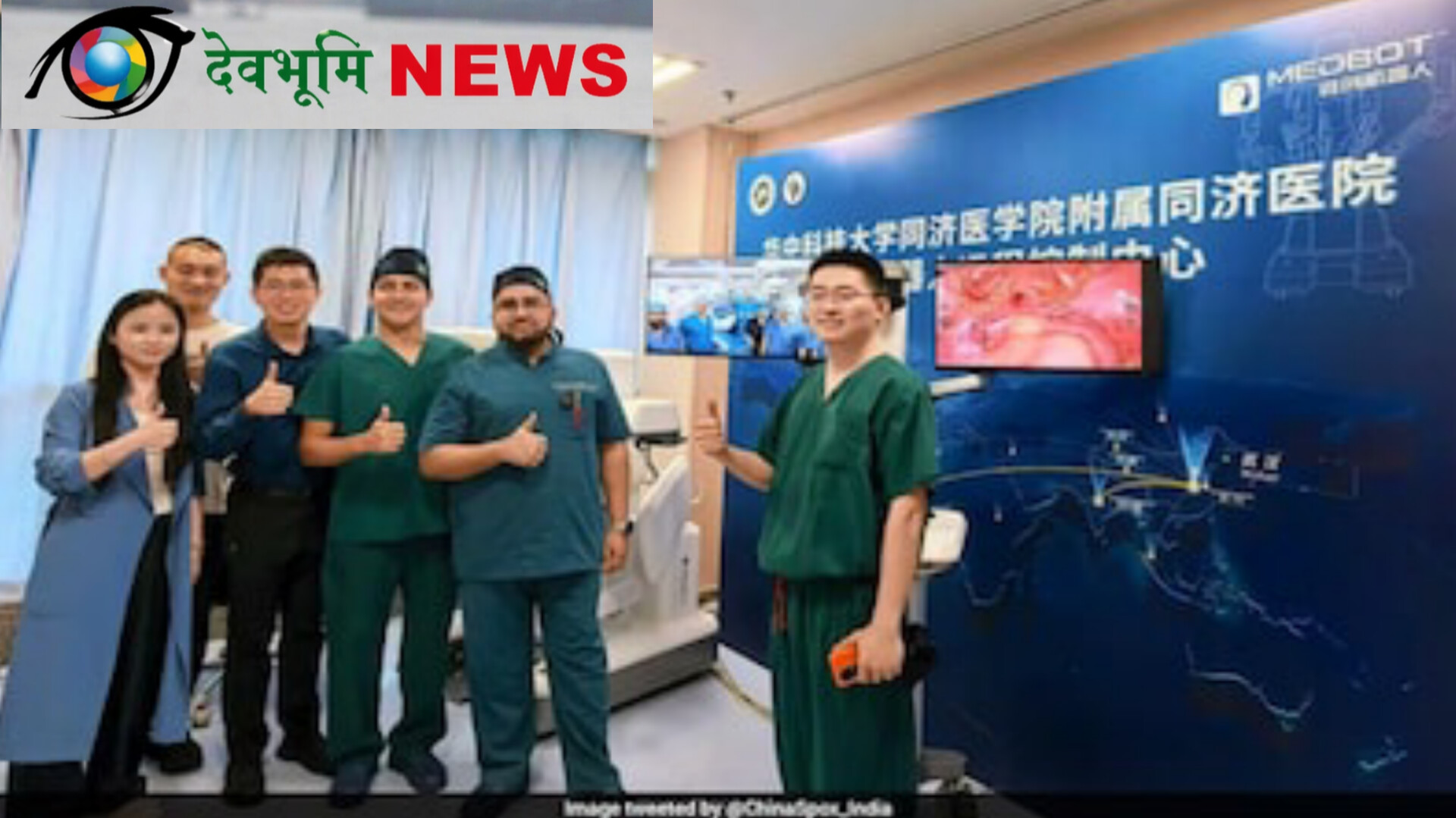
The remote robot-assisted surgery was made possible through ultra-fast 5G internet connectivity and advanced robotic surgical systems developed in China. According to reports, the robotic arms mirrored the surgeon’s hand movements almost instantly, while the 5G network transmitted commands within 200 milliseconds.
This low-latency communication ensured that the surgery was conducted smoothly without delays, which is crucial in delicate medical procedures. Experts say the integration of robotic surgery and 5G connectivity represents one of the most important advancements in digital healthcare and smart medical infrastructure.
The surgery lasted approximately 90 minutes and involved complex bladder reconnection, also known as ureteral reimplantation surgery.
How the Robot-Assisted Surgery Was Conducted Between Wuhan and Hyderabad
Before the robot-assisted surgery began, doctors from Wuhan and Hyderabad jointly reviewed the patient’s medical reports online and carefully planned the movements of the robotic arms. Medical staff in Hyderabad administered anaesthesia and positioned the robotic surgical equipment in the operation theatre.
The robotic system included highly precise surgical instruments and high-definition 3D cameras that transmitted real-time visuals to the surgeon in Wuhan. Sitting at a surgical console in Tongji Hospital, Dr. Ghouse remotely controlled the robotic arms while observing live 3D images from Hyderabad.
Doctors in Hyderabad remained on standby throughout the procedure in case emergency intervention was needed. This collaborative model demonstrated how international medical teams can work together using advanced healthcare technology.
Cross-Border Telemedicine and Robotic Surgery Gain Momentum
The successful remote robotic surgery between China and India has become a powerful example of how telemedicine and robotic healthcare are transforming the global medical industry. Experts believe that robotic-assisted surgeries can significantly improve access to specialised healthcare for patients living in smaller cities and remote regions.
The achievement was highlighted by Yu Jing, spokesperson for the Chinese Embassy in India, who praised the use of China-developed robotics and 5G technology in enabling life-saving care across borders.
Healthcare professionals worldwide are increasingly exploring the possibilities of telesurgery, where doctors can operate on patients remotely using robotic systems and high-speed internet. Such innovations can help address shortages of specialist surgeons and reduce the need for patients to travel long distances for complex procedures.
Why Robot-Assisted Surgery Is Becoming the Future of Healthcare
Robot-assisted surgery has become one of the fastest-growing fields in modern medicine due to its precision, flexibility, and minimally invasive nature. Robotic surgical systems allow surgeons to perform complex operations with greater accuracy, smaller incisions, reduced blood loss, and faster patient recovery.
In this Hyderabad-Wuhan surgery, robotic arms replicated the surgeon’s hand movements in real time, ensuring high surgical precision despite the distance of 3,000 kilometres.
Medical experts believe the combination of robotic surgery, artificial intelligence, and 5G communication networks could revolutionise emergency care, cancer treatment, urology procedures, and cardiovascular surgeries in the coming years.
Countries including India, China, the United States, and South Korea are investing heavily in robotic healthcare systems to modernise hospitals and improve patient outcomes.
Challenges Facing Remote Robot-Assisted Surgery
Despite the success of this robot-assisted surgery, experts say several challenges still need to be addressed before remote telesurgery becomes mainstream worldwide. Reliable internet connectivity remains one of the biggest requirements for remote robotic procedures. Even minor network disruptions can create serious risks during surgery.
Cybersecurity is another critical concern, as remote surgical systems rely heavily on digital communication and cloud-based technologies. Researchers are also working on creating global standards and legal frameworks for international robotic surgeries.
Additionally, robotic surgical systems are expensive, making them difficult to implement in smaller hospitals and developing healthcare systems. However, as technology becomes more affordable, experts expect wider adoption across countries.
India’s Growing Presence in Robotic Surgery and Telemedicine
India has emerged as a major player in robotic surgery and telemedicine innovation in recent years. Several Indian hospitals are now using robotic systems for complex surgeries, including cancer operations, kidney transplants, and bariatric procedures.
The successful surgery performed by Dr. Syed Mohammed Ghouse further strengthens India’s reputation in advanced healthcare technology and global medical collaboration. Similar long-distance robotic surgeries have also been conducted by Indian doctors operating from countries like Australia and performing surgeries in India using advanced robotic systems.
Experts believe India’s rapidly growing digital infrastructure and 5G rollout could help accelerate the adoption of robotic healthcare services nationwide.
Read more like this:
- SC Flags NEET UG 2026 Paper Leak Concerns: सुप्रीम कोर्ट ने NTA से मांगा जवाब, छात्रों में बढ़ी चिंता
- भारत को मिलेगा 114 नए राफेल फाइटर जेट्स: IAF की ताकत बढ़ाने की दिशा में बड़ा कदम
Future of 5G-Powered Robot-Assisted Surgery
The successful robot-assisted surgery between Wuhan and Hyderabad represents a major breakthrough in the future of healthcare technology. Medical experts believe that 5G-powered telesurgery could soon become common for specialised procedures, allowing world-class surgeons to operate on patients regardless of geographical location.
As artificial intelligence, robotics, and digital communication continue to evolve, hospitals worldwide may increasingly rely on remote robotic systems to improve healthcare accessibility and patient outcomes.
The Hyderabad-Wuhan robotic surgery has not only demonstrated the power of technology in medicine but also highlighted the importance of international collaboration in advancing healthcare innovation. With continued investment in robotic systems and telemedicine infrastructure, remote surgery may soon transform healthcare delivery across the globe.